
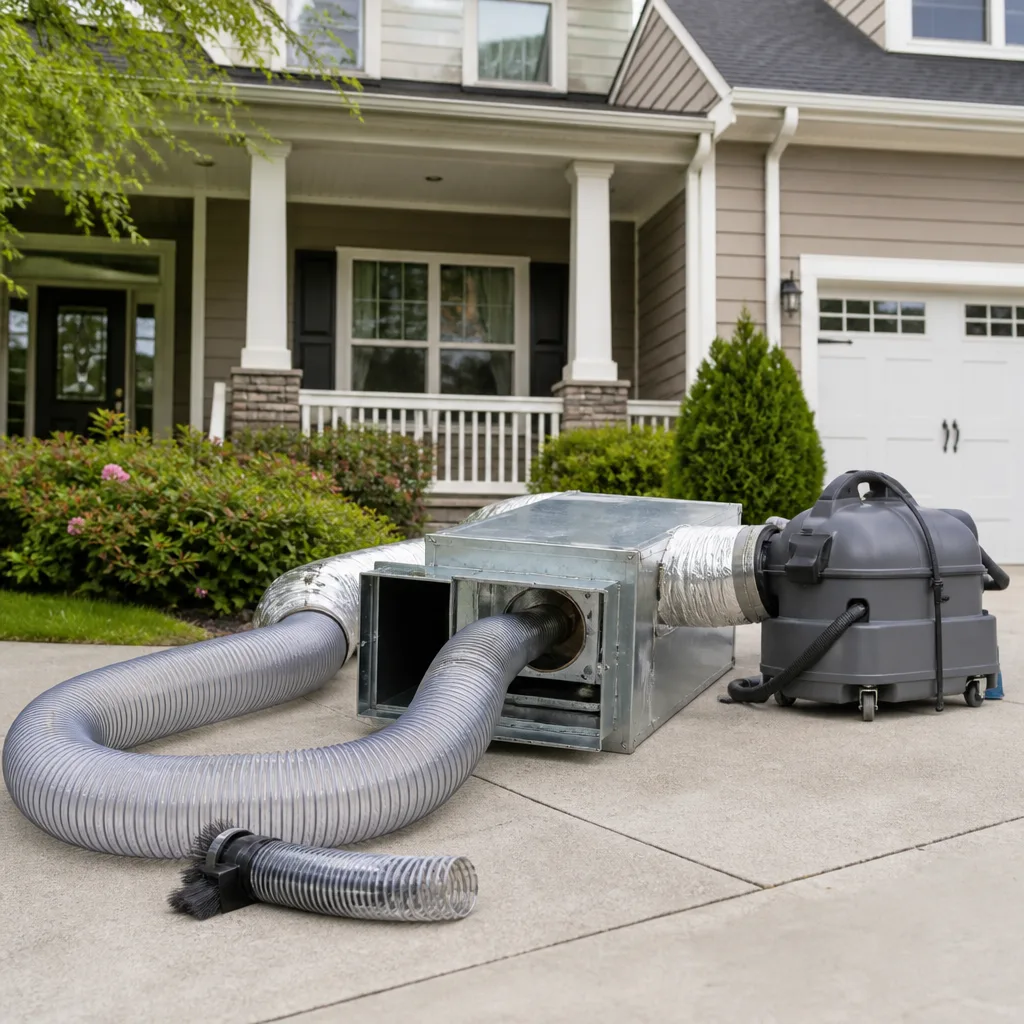
 Whole-home duct cleaning
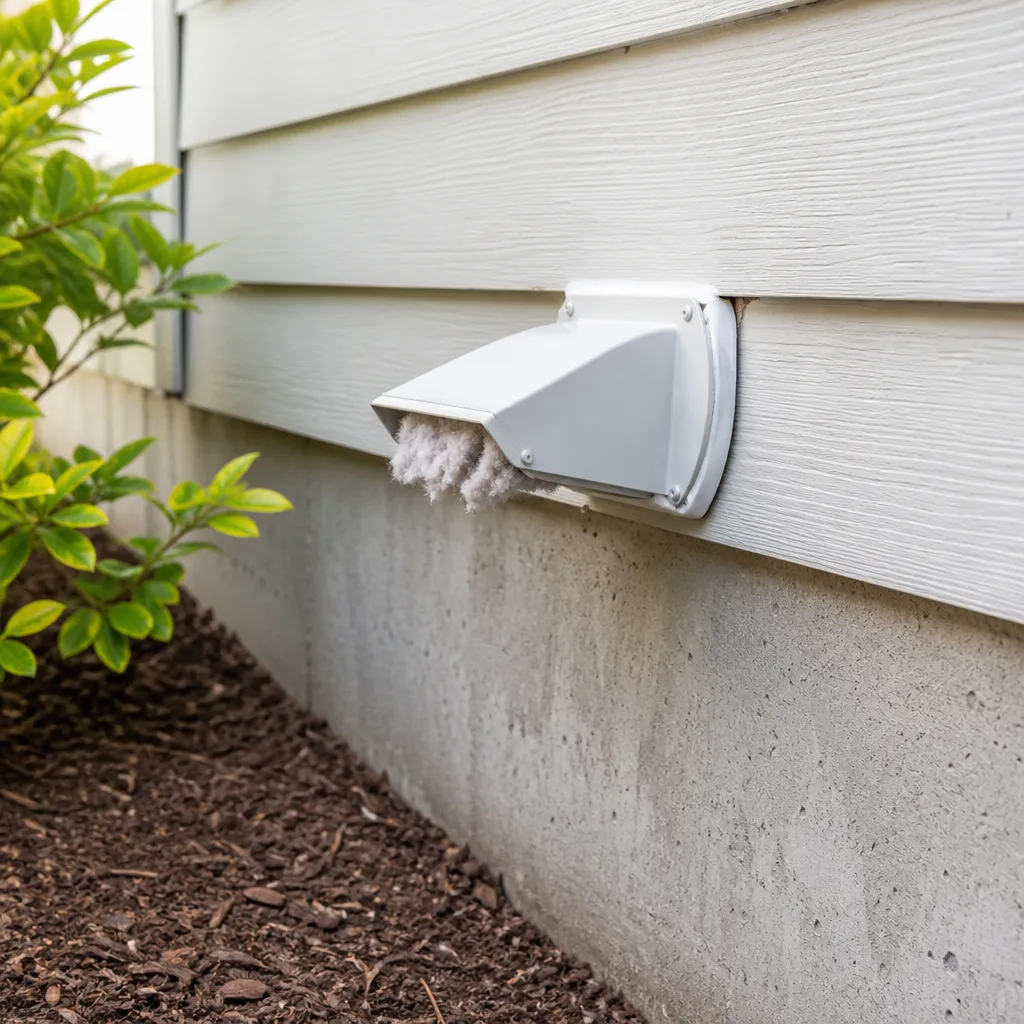 Dryer vent cleaning
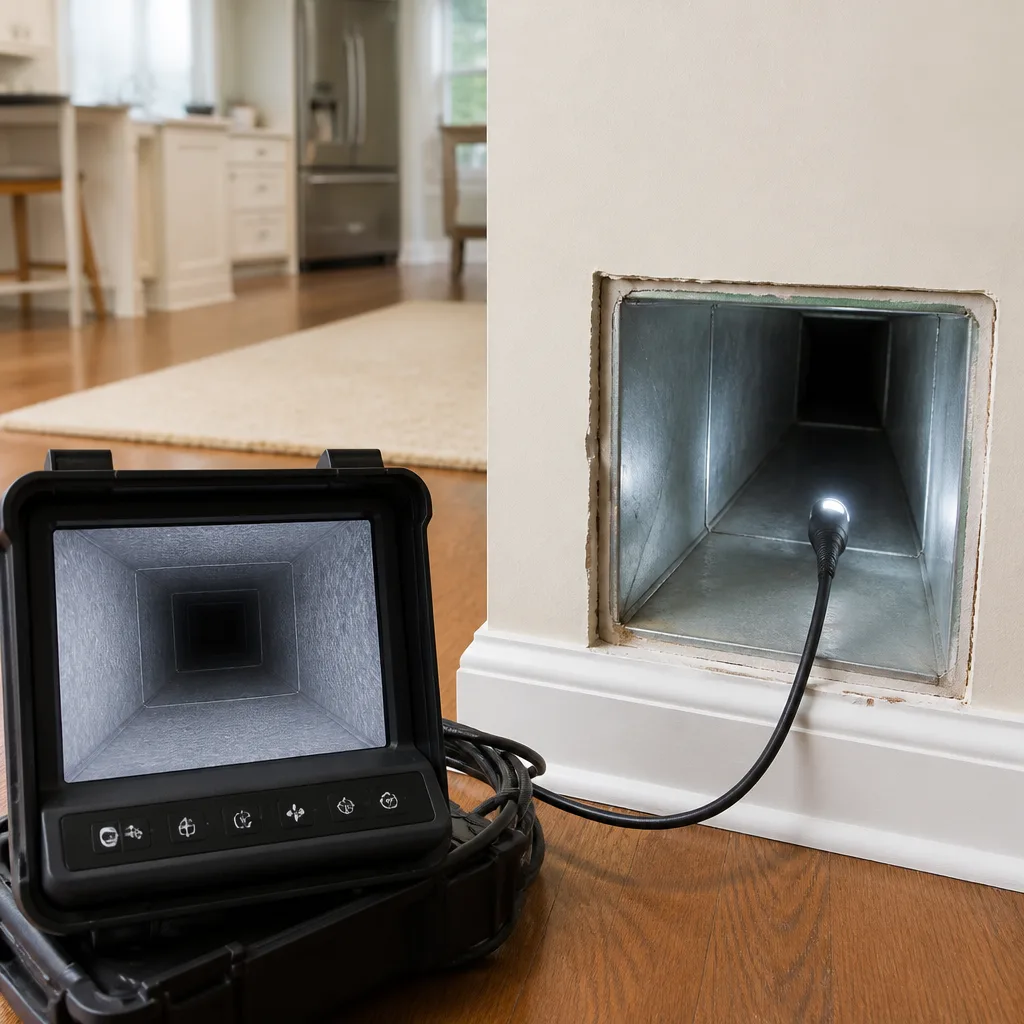 Camera inspection
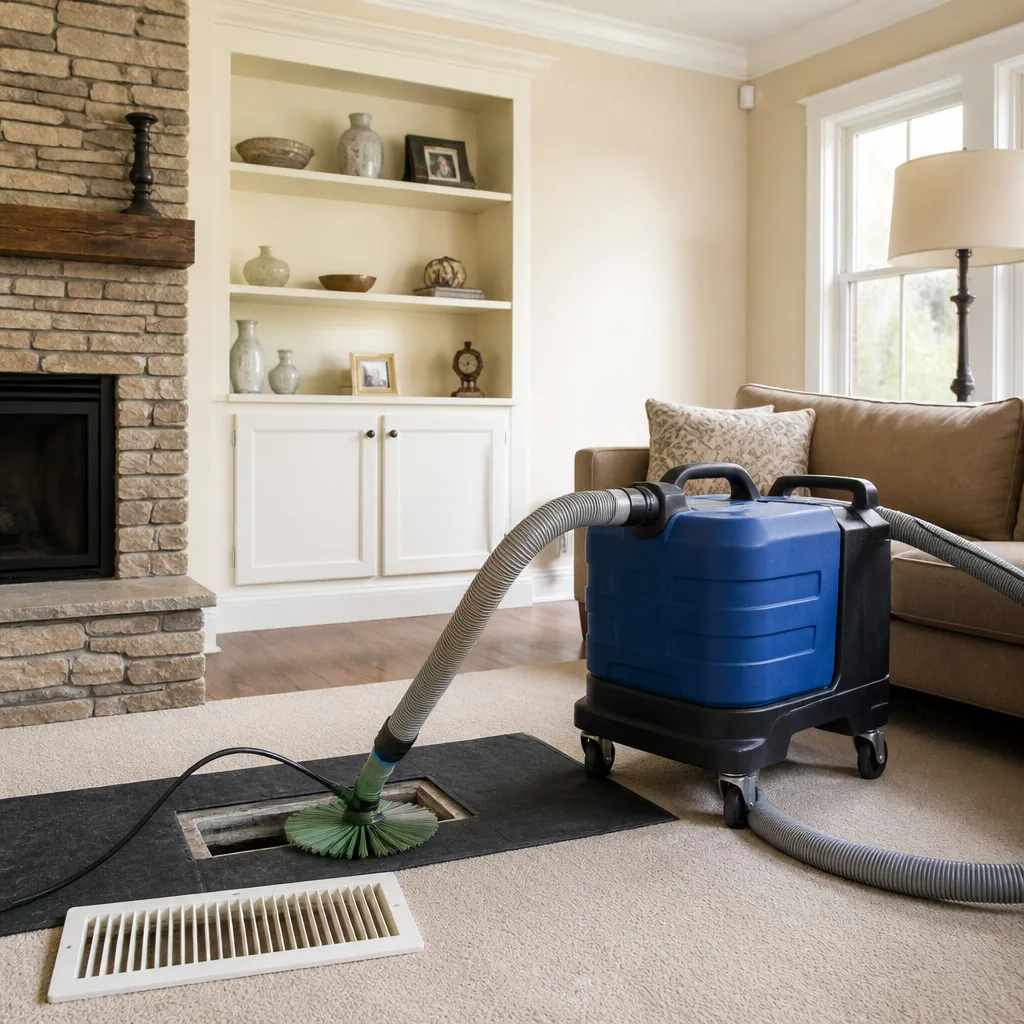 Sanitizing & deodorizing
Whole-system duct and dryer vent check with before-and-after photos - you see exactly what came out of your vents
That "$99 whole-house special" is a bait ad - the real number appears once they are in your hallway, or the "clean" is a shop-vac at the register. We photograph the inside of your ducts before and after instead.
Rotobrush Vent Sanitizing: The Dallas Owner’s Guide
If your Rotobrush vent sanitizing system has stopped fogging correctly, we stock compatible sanitizing cartridges and misting components for most Rotobrush models, and a full swap in Dallas typically runs between $225 and $510 installed. Most owners call us after noticing the unit runs but barely emits sanitizer, or the power light stays on while the fog output drops to nothing. Others find a small puddle of liquid under the machine that wasn’t there last month. The fix is usually one failed component, not the entire system.
The vent sanitizing component on a Rotobrush is the part that turns liquid sanitizer into a fine mist that coats duct walls after brushing. When it works, it leaves an antimicrobial layer inside your supply runs. When it fails, you’re essentially running a brush-only cleaning and calling it sanitized. In Dallas, where dust and heat keep HVAC systems running hard from May through September, a working sanitizer matters more than it does in milder climates. Dale Whitmore has swapped these components on everything from compact apartment systems in North Dallas to full trunk-and-branch layouts in Plano homes, and the failure pattern is predictable enough that we know what to check first.
Key takeaways:
- Installed replacement cost in Dallas: $225 to $510, depending on your Rotobrush model and whether the fog tip or the reservoir seal is the culprit.
- We stock Rotobrush-compatible sanitizing reservoirs, fog tips, and pump seals on the truck.
- Kestrel Air Duct Dallas is an independent service provider, not affiliated with Rotobrush. We install and service their equipment because it holds up in Texas heat better than most.
- A failed sanitizer doesn’t stop the brush from cleaning, but it does mean the sanitizing step isn’t actually happening.
Which Rotobrush Models This Applies To
The vent sanitizing component on Rotobrush systems isn’t one universal part. The older R500 series used a gravity-fed reservoir with a simple atomizer tip, while the newer aiR+ and Elite models switched to a pressurized misting head that threads directly onto the sanitizer bottle. If you have a Rotobrush purchased before 2014, you almost certainly have the gravity-fed setup. Post-2014 machines run the pressurized head. The two are not interchangeable.
How to identify yours: the gravity-fed reservoir has a clear plastic chamber you can see through and a twist-off cap on top. The pressurized head has no visible reservoir at all; the sanitizer bottle screws in underneath and the whole assembly sits inline near the brush head. If you’re unsure, take a photo of the component and the machine’s data plate (located near the power cord inlet on most Rotobrush systems) before you call around for pricing. We can identify the right part from that photo in under a minute.
On the OEM-versus-aftermarket question for Rotobrush specifically: Rotobrush’s own replacement atomizer tips are machined to tight tolerances, and aftermarket tips from generic suppliers sometimes spray a coarser mist that pools in low duct sections instead of clinging to the duct wall. For the reservoir seal and the pump diaphragm, aftermarket equivalents hold up fine in our experience. In Dallas humidity, the reservoir seal is the most common failure point after three to four years, especially on units stored in unconditioned garages. Heat breaks down that seal faster. We always tell owners storing their equipment in a Dallas garage to expect shorter seal life than the spec sheet suggests. The heat does it, plain and simple.
Styles & brands we work with
Signs Your Rotobrush Vent Sanitizing Is Failing
- No visible mist during operation, but the motor runs. The atomizer tip is clogged or the pump diaphragm has torn. Sanitizer concentrates can gel inside the tip if the unit sits unused for months, which happens often in Dallas when homeowners skip a season between cleanings.
- Liquid pooling under the machine after use. The reservoir seal or the bottle threading has failed. This is the most common failure we see in Dallas because garage heat cycles cause the seal material to shrink and crack over repeated summers.
- Weak, intermittent fog output. The pump is losing pressure, usually because the internal diaphragm is starting to tear. It will work for a minute, then sputter, then work again. That’s the classic early warning.
- Sanitizer consumption is way down or way up. If you’re going through bottles much faster than before, the atomizer tip is worn and spraying oversized droplets that don’t coat evenly. If you’re barely using any sanitizer, the line from the reservoir to the tip is partially blocked.
- The machine runs but the fog smells different or has no smell. A burnt or weak mist usually means the pump is running hot or the sanitizer is being diluted by condensation building up in the old reservoir. Condensation is a bigger problem in Dallas than the sand-blasted dry air suggests.
Most of these symptoms are the result of one part failing, not multiple parts failing at once. The trick is knowing which one is actually causing the problem. We’ve had owners replace a tip that was fine and still have the leak, because the real problem was a reservoir seal that had shrunk just enough to let air in and break the siphon.
See the difference
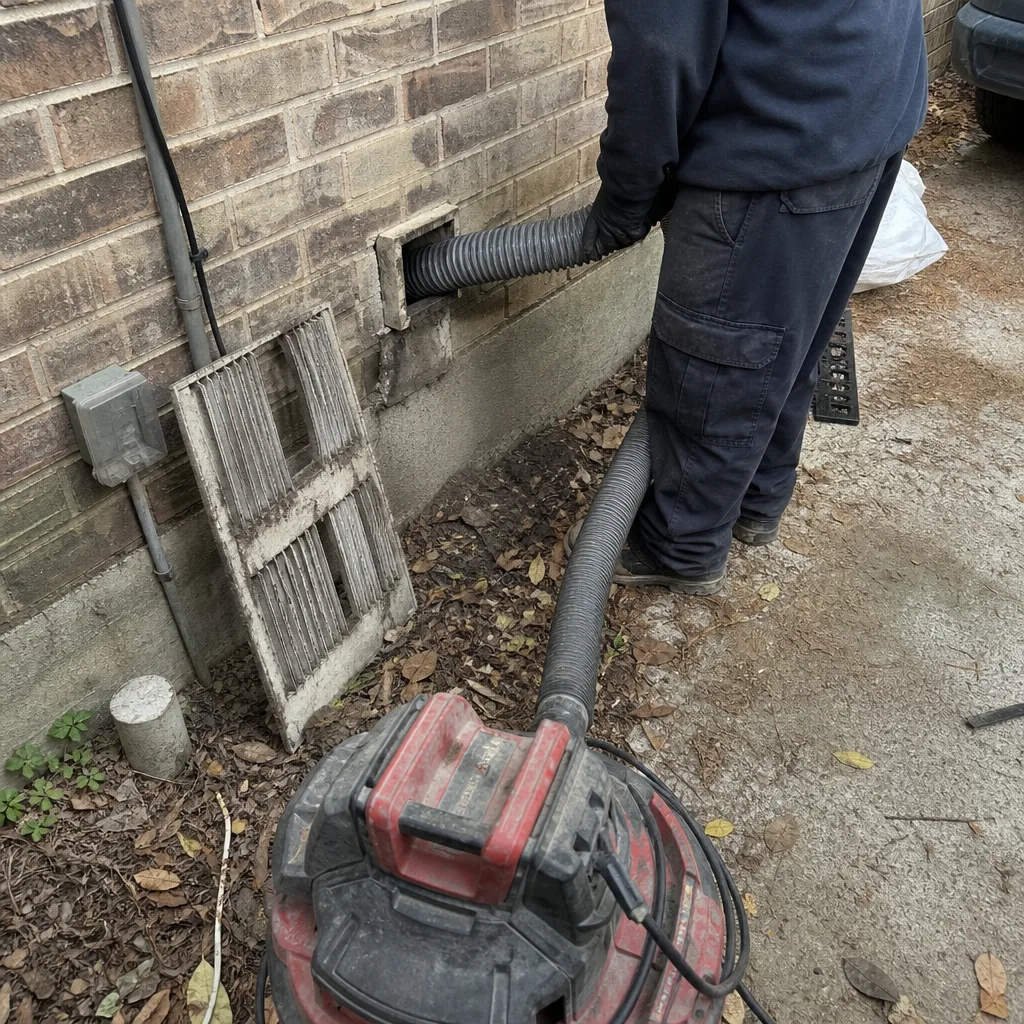 Before
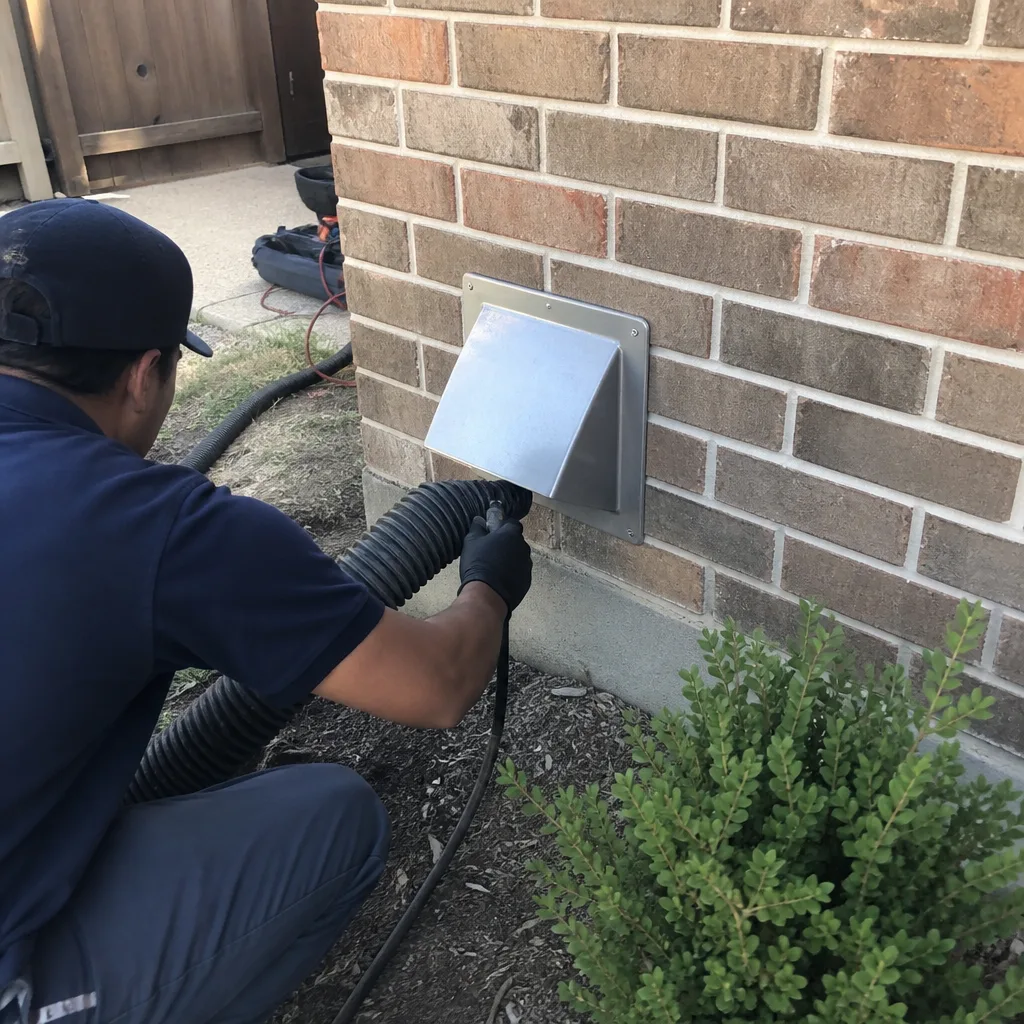 After
After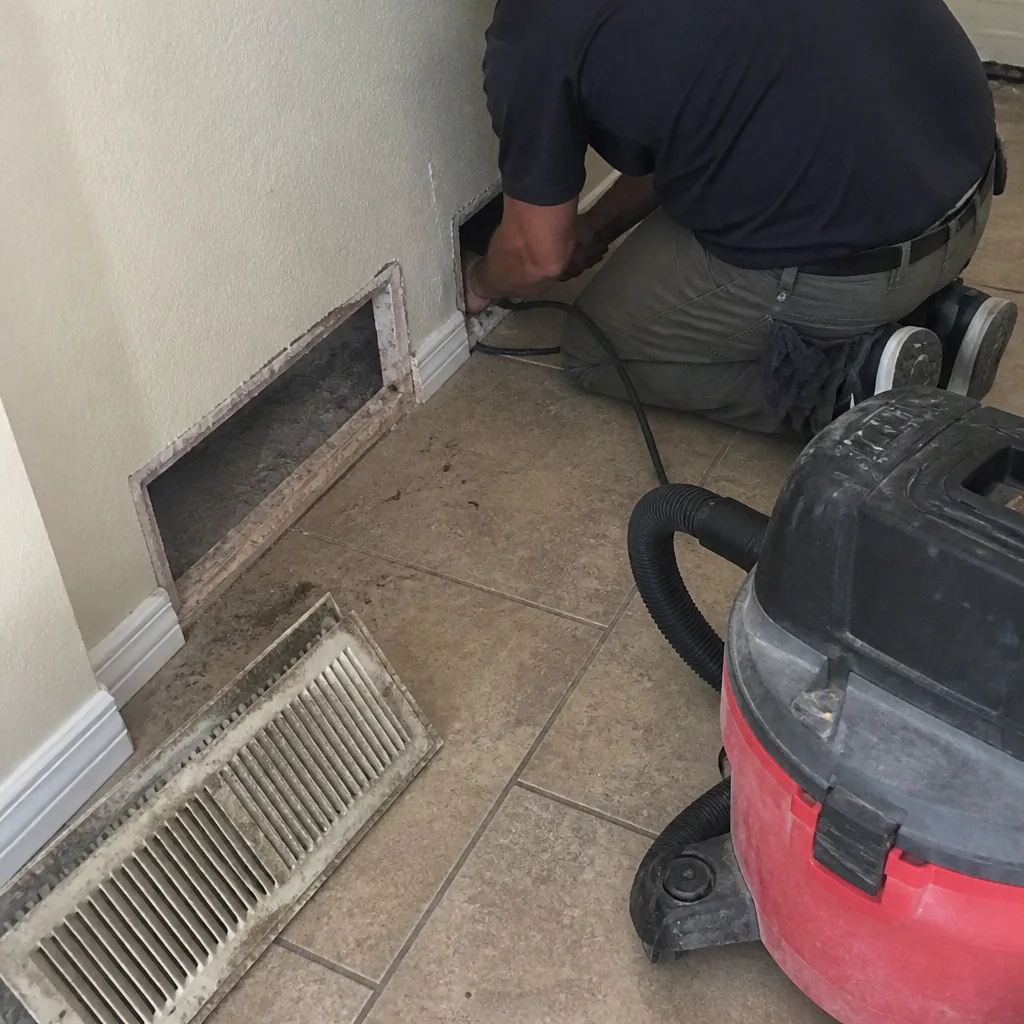 Before
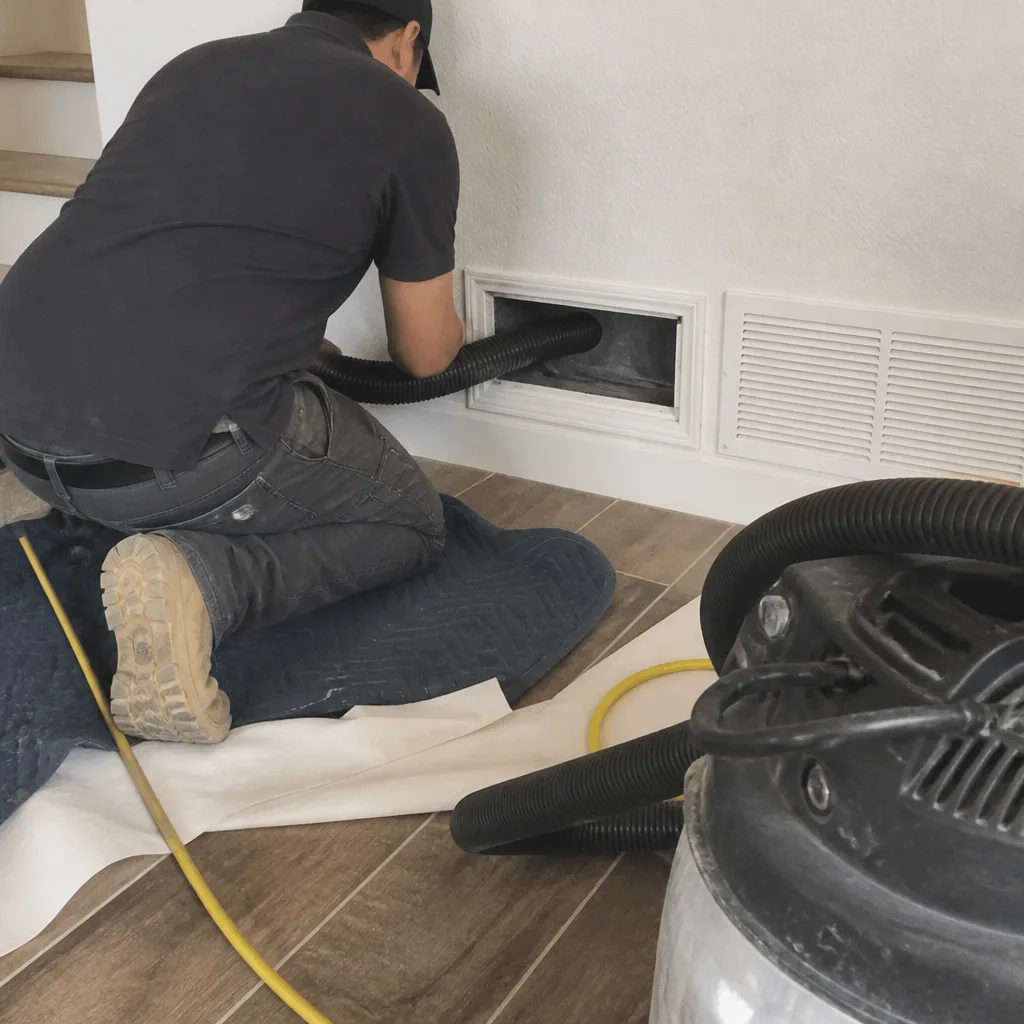 After
After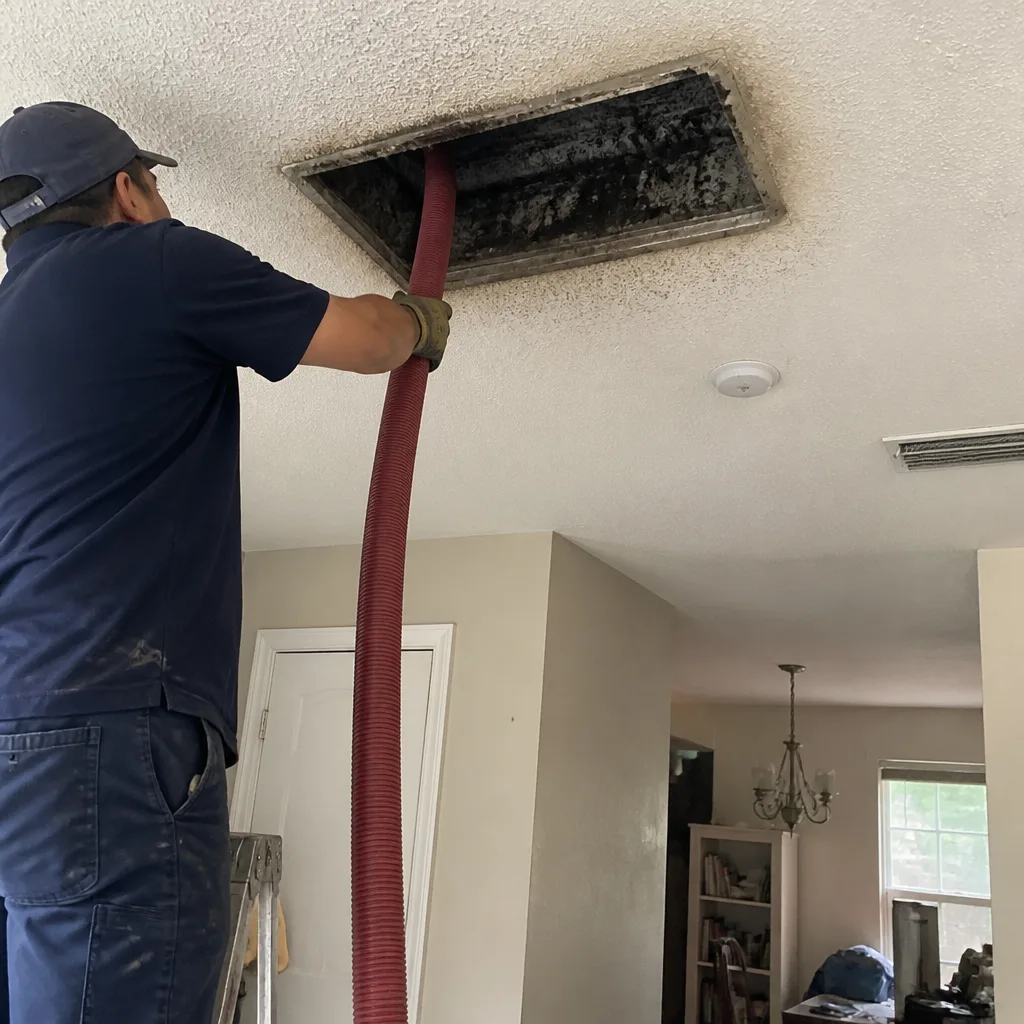 Before
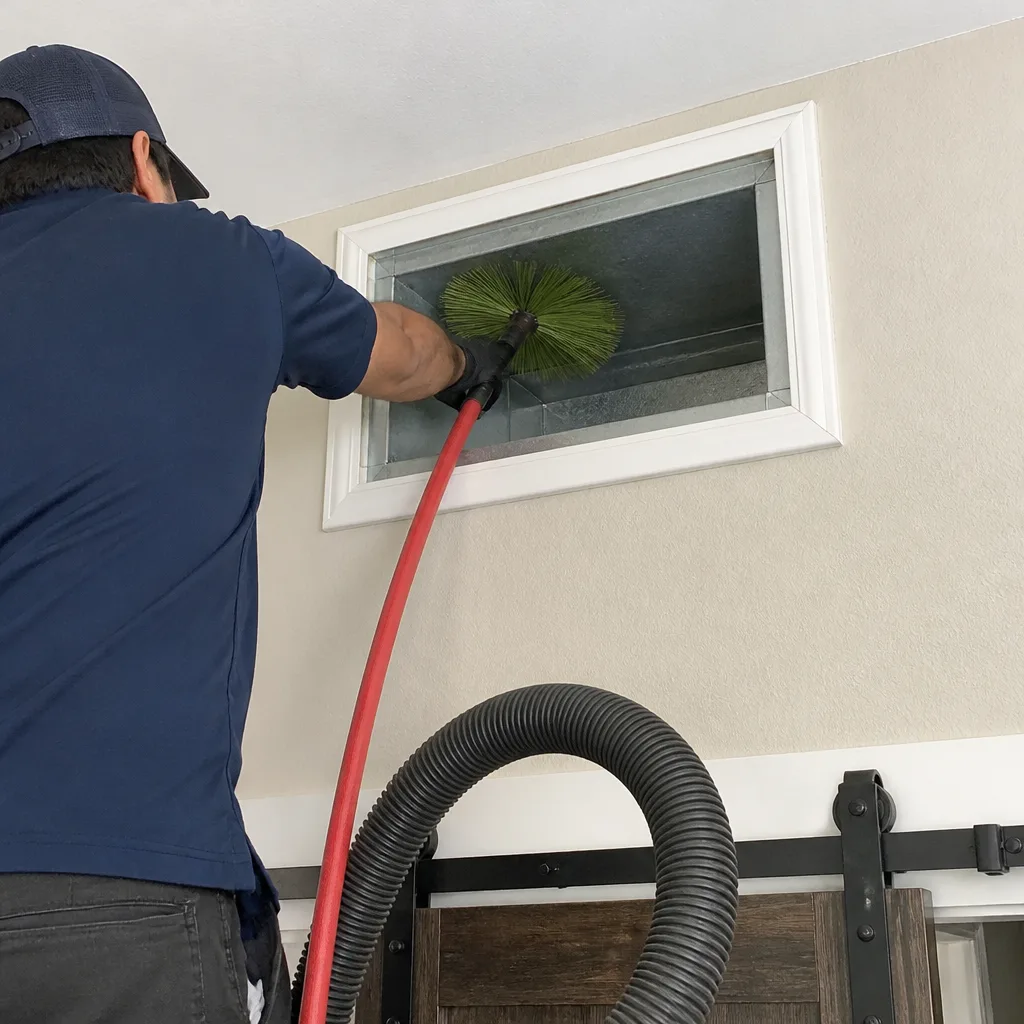 After
AfterReplacement Cost & What’s Included
In Dallas, expect to pay between $225 and $510 for a Rotobrush vent sanitizing component replacement, parts and labor included. At the lower end, you’re looking at a simple atomizer tip swap or reservoir seal replacement on a gravity-fed unit. At the upper end, a new pressurized misting head with a pump rebuild for a newer aiR+ or Elite machine. The labor is the smaller share; the Rotobrush-specific components are not cheap, and we won’t put a generic tip on a system that needs the precision part.
Here’s the cost breakdown we give Dallas customers:
- Atomizer tip replacement (parts and labor): $225 to $285
- Reservoir seal and o-ring service: $180 to $240
- Complete misting head replacement: $310 to $420
- Full pump rebuild plus misting head: $390 to $510
Every quote includes the written price before we touch the machine, and the 365-Day Done Right Promise applies to parts work just like it does to cleaning. If the component fails within the guarantee period, we come back and make it right at no charge. You’ll have that in writing before the first tool comes out.
One thing worth saying plainly: if you bought a cheap aftermarket sanitizer kit online and it never worked right, we’re not going to be able to warranty that part. We’ll install a component we source and stand behind, or we won’t install it at all. Dale’s standard is simple: clean ducts, clear price, nothing hidden in either one.
DIY or Call Us?
There’s a small set of things you can safely check before calling anyone. Confirm the sanitizer bottle isn’t empty and the pickup tube inside the bottle isn’t kinked. Clean the outside of the atomizer tip with warm water; don’t push a pin into the orifice, because that widens the tip and ruins the spray pattern permanently. Check that the reservoir cap threads aren’t cross-threaded from the last refill.
Past that, DIY goes sideways for one main reason: the pump diaphragm on Rotobrush units sits behind several small fasteners, and over-tightening them on reassembly cracks the plastic housing, which costs more than the original repair. The misting head also contains a calibrated tip that has to handle sanitizer chemicals under pressure; a poorly seated o-ring there sprays sanitizer into places you don’t want it, inside the unit itself. These aren’t household components. If you’ve already pulled the unit apart and want us to finish the job, call (361) 314-5449 and we’ll sort it out without judgment. We see home repairs that went wrong all the time; we just fix them.
FAQs
In Dallas, expect three to five years from the atomizer tip and reservoir seal before performance drops, and that’s shorter than Rotobrush’s spec because garage heat in Texas summers accelerates seal deterioration. Units stored indoors in air-conditioned space last noticeably longer, often six years or more before the first sign of trouble.
Sometimes, yes. Clogged tips can often be soaked and cleared rather than replaced, and seal leaks are usually fixed with a new o-ring set, not a whole component. A torn pump diaphragm or cracked misting head housing is not repairable; those get replaced. We’ll tell you which category yours falls into before we do anything, and the price is in writing before work starts.
Most vent sanitizing component replacements take under two hours, including testing the unit after the swap. If we’re doing the replacement during an actual duct cleaning job, the total time just extends by the length of the sanitizing pass itself. If you’re calling us out just for the part, plan for a two-hour window and we’ll hit it.
We stock the common Rotobrush-compatible sanitizing tips, seals, and misting heads on the truck because Dallas has enough Rotobrush owners that waiting for parts doesn’t make sense. If you have an uncommon model or an older R500 with a specific reservoir configuration, we may need to order it, but we’ll tell you that on the phone before we schedule anything.
Give us a call at (361) 314-5449 for a free estimate on Rotobrush vent sanitizing replacement in Dallas. A live person answers, day or night, and the price you get in writing is the price you’ll pay.
Written by Dale Whitmore, Owner, Kestrel Air Duct Dallas at Kestrel Air Duct Dallas, serving Dallas and nearby areas.