
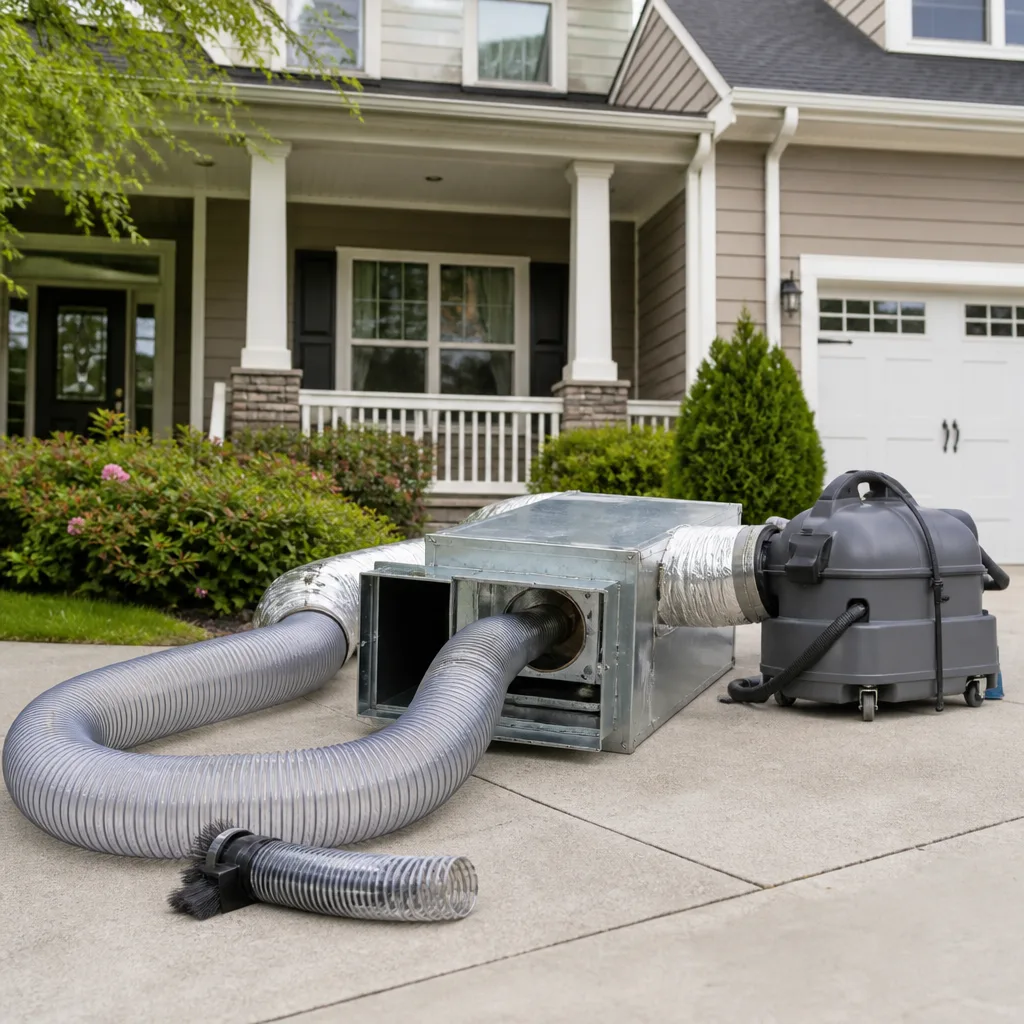
 Whole-home duct cleaning
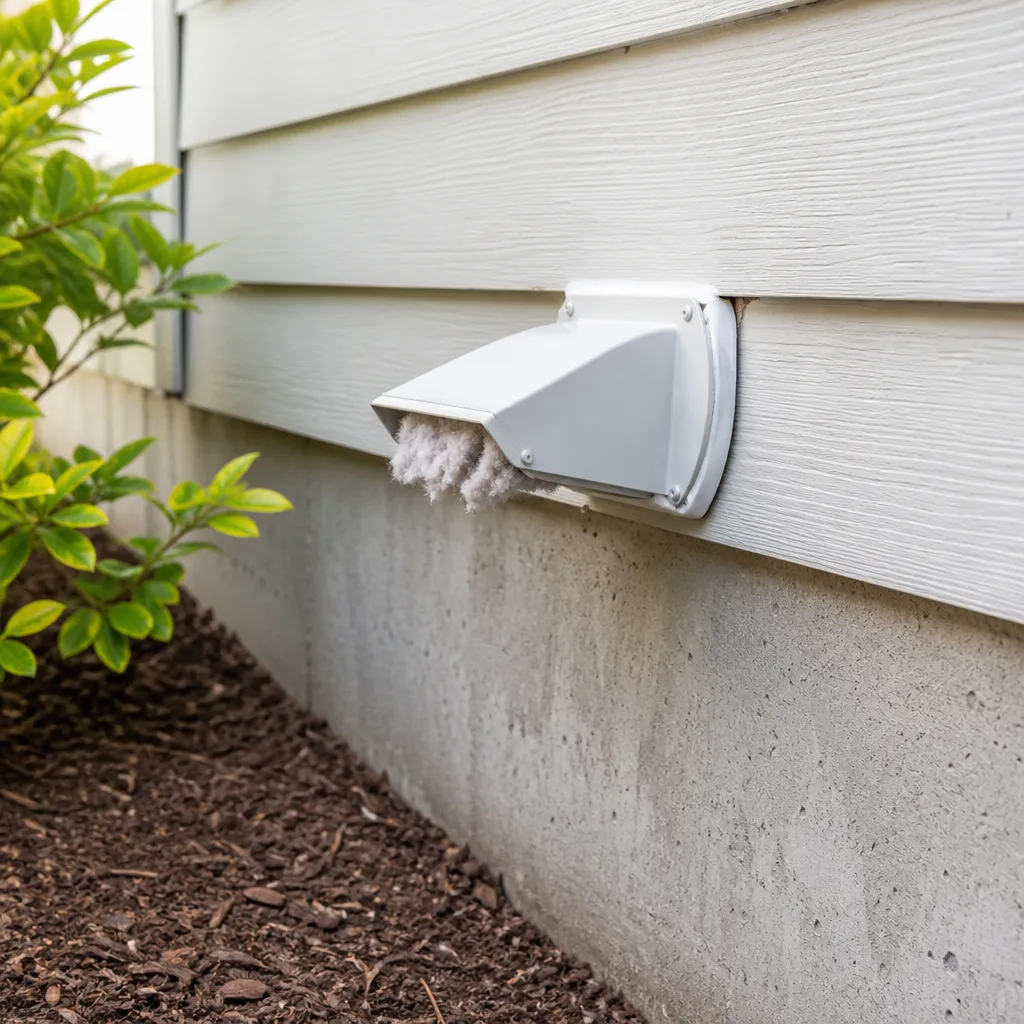 Dryer vent cleaning
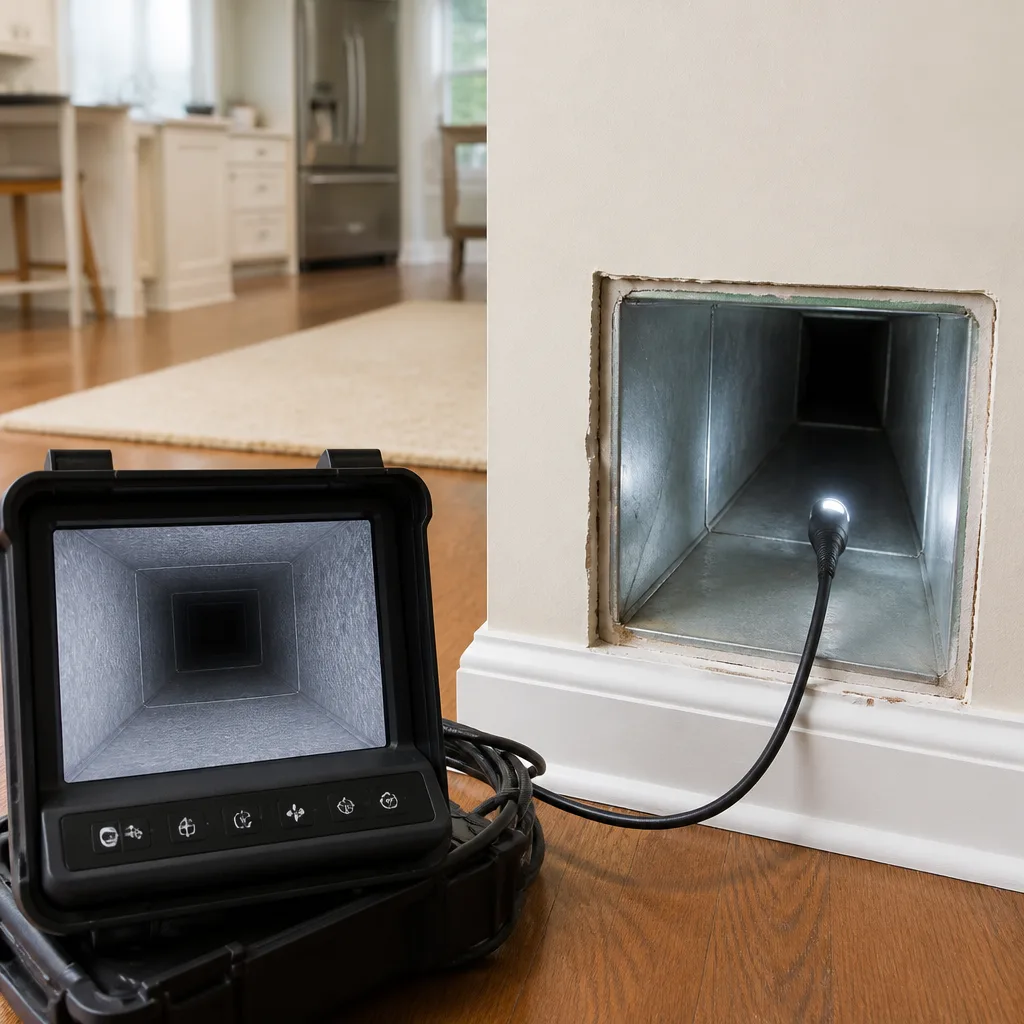 Camera inspection
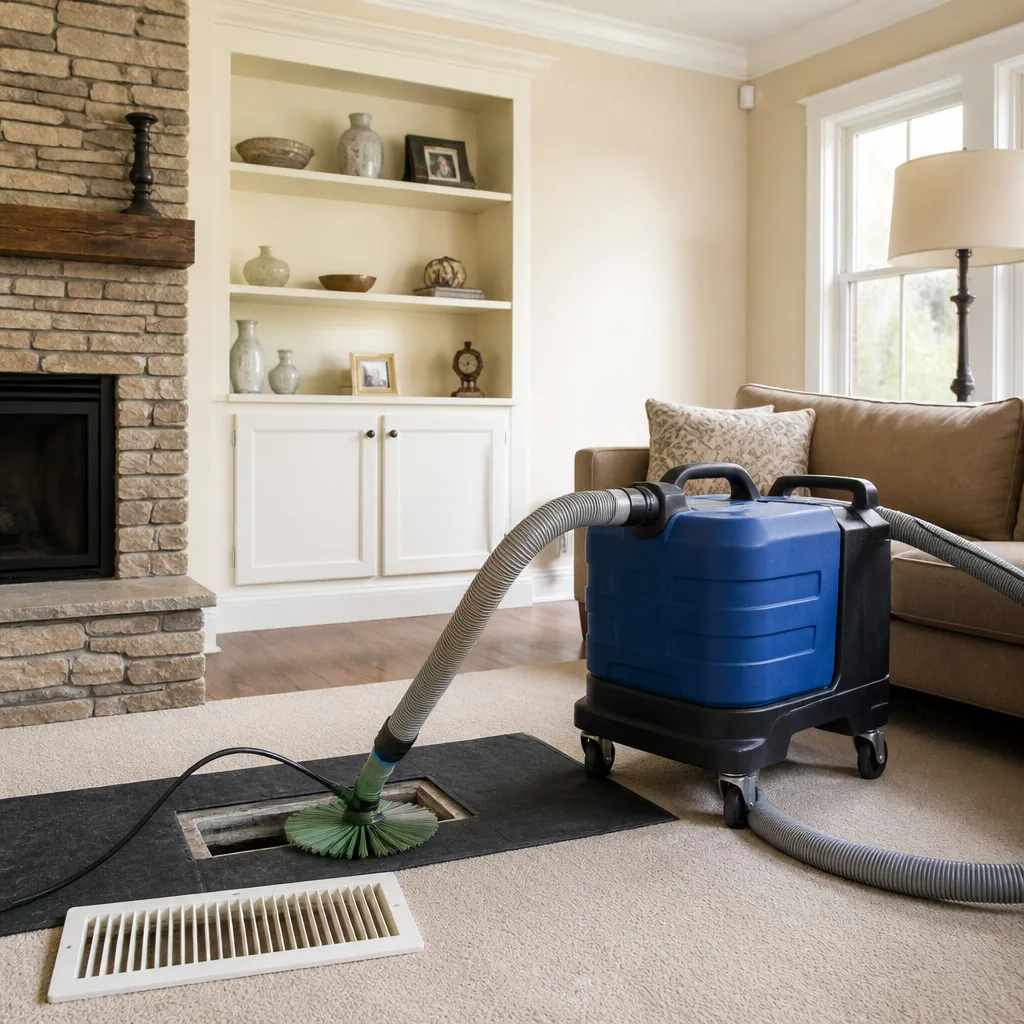 Sanitizing & deodorizing
Whole-system duct and dryer vent check with before-and-after photos - you see exactly what came out of your vents
That "$99 whole-house special" is a bait ad - the real number appears once they are in your hallway, or the "clean" is a shop-vac at the register. We photograph the inside of your ducts before and after instead.
Abatement Technologies Vent Sanitizing: The Dallas Owner’s Guide
We stock and install Abatement Technologies-compatible vent sanitizing components across Dallas, with most replacement jobs running between $225 and $540 installed depending on your unit’s model and what’s actually failed. Most Abatement Technologies owners we hear from in Dallas discover the problem the same way: the UV lamp flickers out, the unit starts buzzing, or the sanitizing function simply stops producing the faint ozone smell it had when new. The good news is these are serviceable parts, and in most cases we can match the right component to your unit the same day we look at it.
We’re an independent service provider, not a factory outlet for Abatement Technologies. What that means for you: honest part numbers, real availability, and a price in your hands before any work begins. Dale Whitmore has been working on air systems across Texas for the better part of two decades, and the Abatement line is one he knows well. Clean ducts, clear price, nothing hidden in either one.
Which Abatement Technologies Models This Applies To
Abatement Technologies has built its reputation on HEPA filtration and air-sanitizing systems used in medical, commercial, and residential settings. The vent sanitizing components we replace most often in Dallas homes come from two main lines: the CAP series (Cartridge Air Purifiers) and the HEPA-AIRE line, along with the smaller in-duct UV sanitizing modules installed downstream of the coil.
Here’s the compatibility gotcha most Dallas homeowners run into: Abatement Technologies changed the UV lamp connector style around 2016. Older units use the two-pin ceramic base; newer ones use the four-pin twist-lock. They are not interchangeable, and adapters don’t exist. If you’re ordering a lamp yourself, pull the old one and count the pins before you spend a dollar. The lamp also has a printed model code that starts with “UV” followed by three or four digits. That code is the definitive way to match your replacement.
On the OEM-versus-aftermarket question, we’re direct with Dallas customers: for Abatement HEPA filters, stick with OEM. Aftermarket filters in this line tend to run ½ to ¾ inch undersized, which lets air bypass the seal and defeats the whole point of HEPA. For UV lamps, quality aftermarket equivalents with the exact same pin configuration and wattage perform fine and usually save $30 to $60. We stock both, and we’ll tell you which is worth paying for on your specific unit.
Styles & brands we work with
Signs Your Abatement Technologies Vent Sanitizing Is Failing
- No visible glow from the UV lamp. Abatement UV sanitizing modules have a small viewport on the housing. If you don’t see a blue-violet glow through it, the lamp is dead or the ballast has failed. Lamps lose intensity over time; a dead ballast means no power to the lamp at all.
- Persistent buzzing or humming from the unit. This is usually a failing ballast, sometimes accompanied by a faint electrical smell. A ballast that’s going out will overdrive the lamp briefly, then kill it entirely. Getting ahead of it saves the cost of replacing both.
- HEPA filter status light stays red after cleaning. Most Abatement units have a filter-life indicator. If it won’t reset after the filter is cleaned or replaced, the differential pressure sensor is likely failing. This sensor tells the unit when the filter is genuinely loading up.
- Musty odor returning within days of cleaning. If the sanitizing function is working, microbial growth on the coil and in the plenum stays suppressed. When a Dallas homeowner tells us the smell is back in a week, the UV system has usually stopped doing its job.
- Higher energy bills with no other explanation. A failing blower motor in the sanitizing unit can draw more current as bearings wear. It’s subtle, but a unit that used to be quiet and now runs rough is pulling more power to move the same air.
See the difference
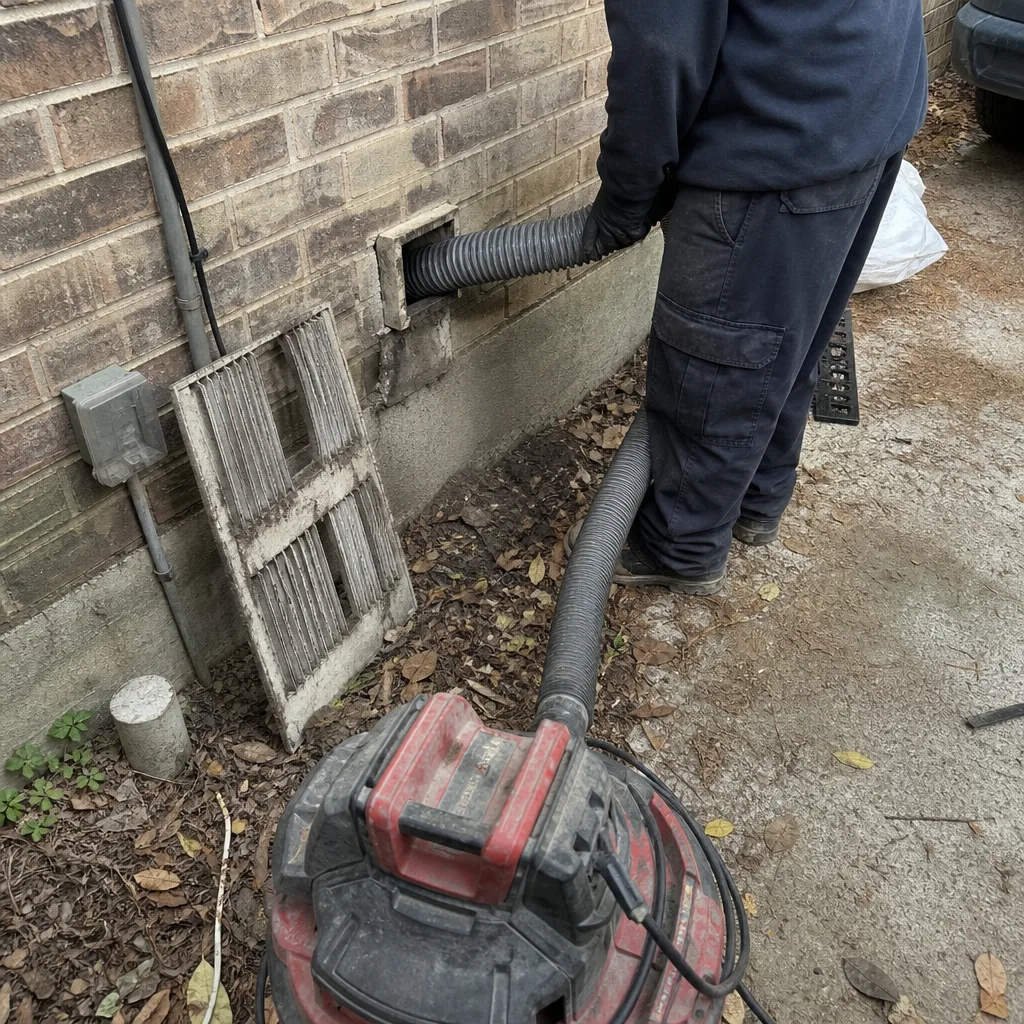 Before
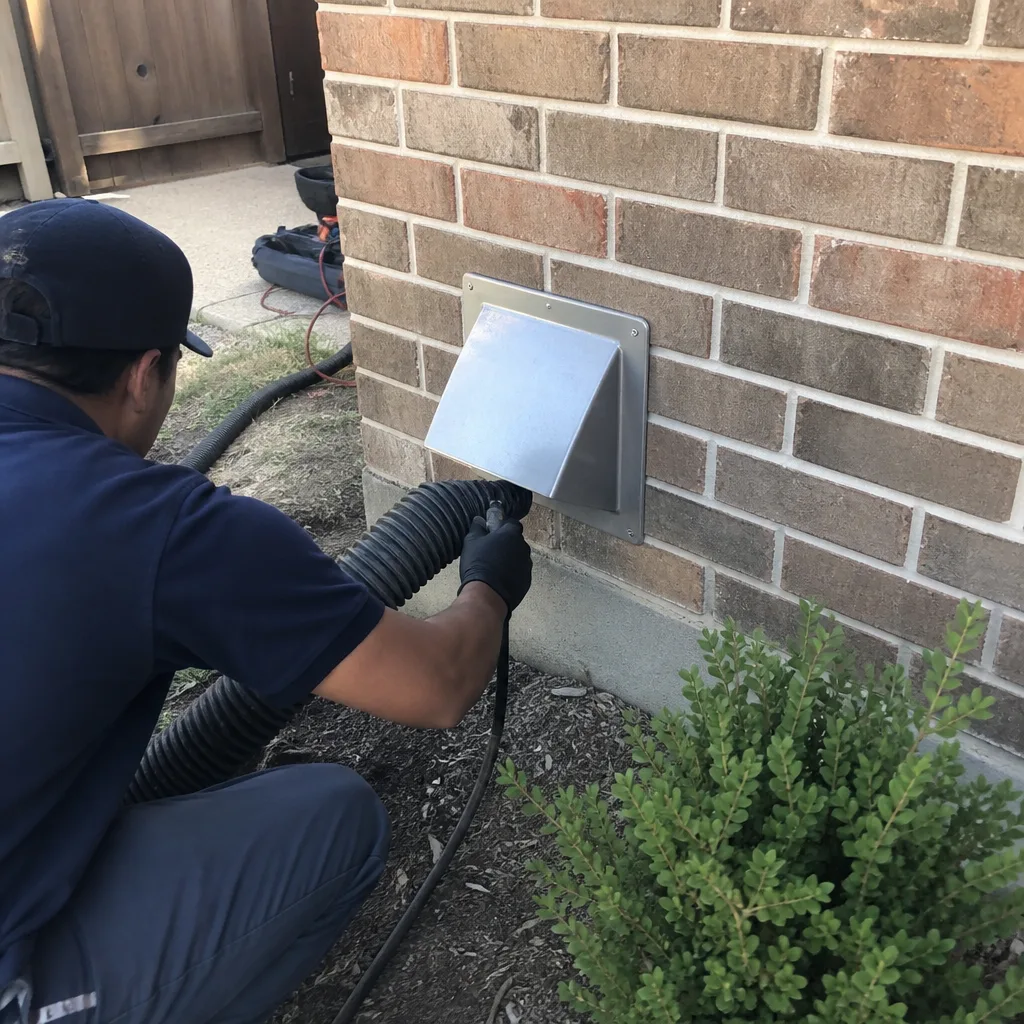 After
After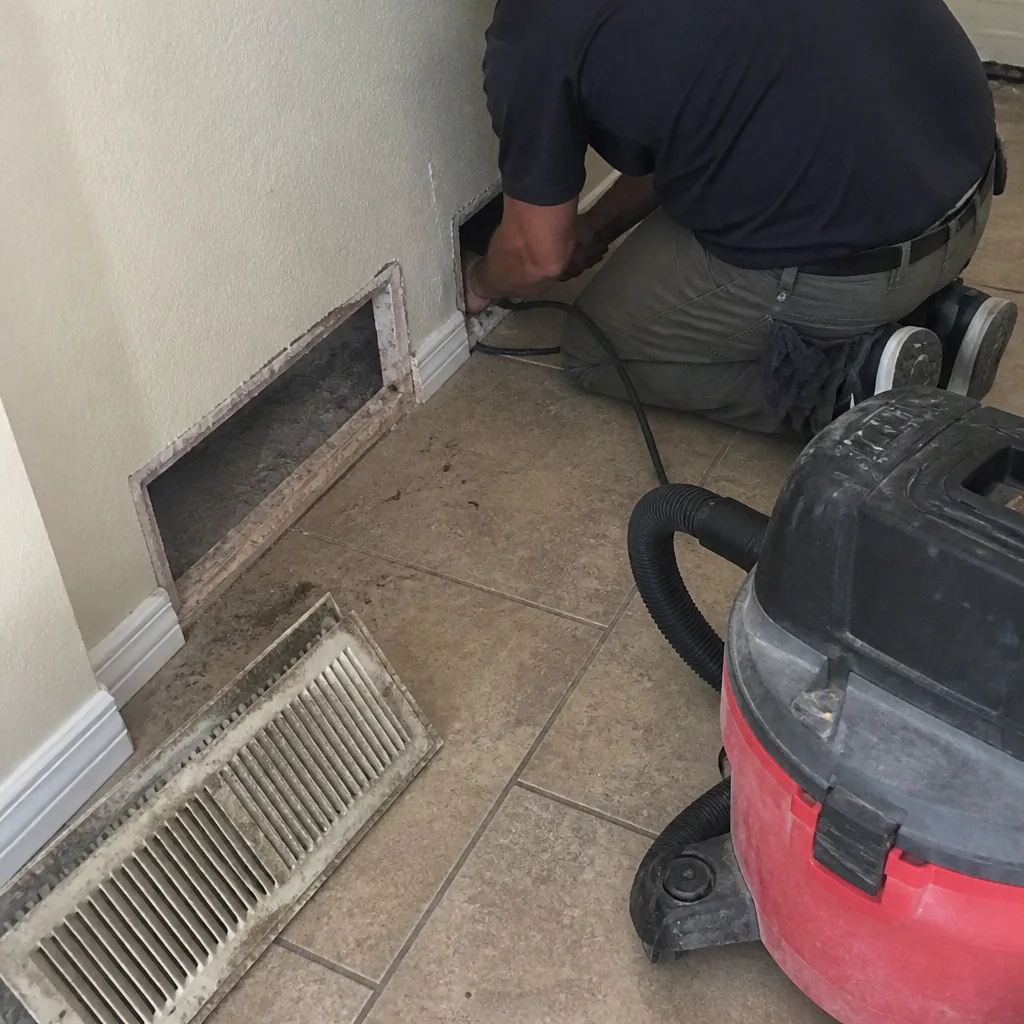 Before
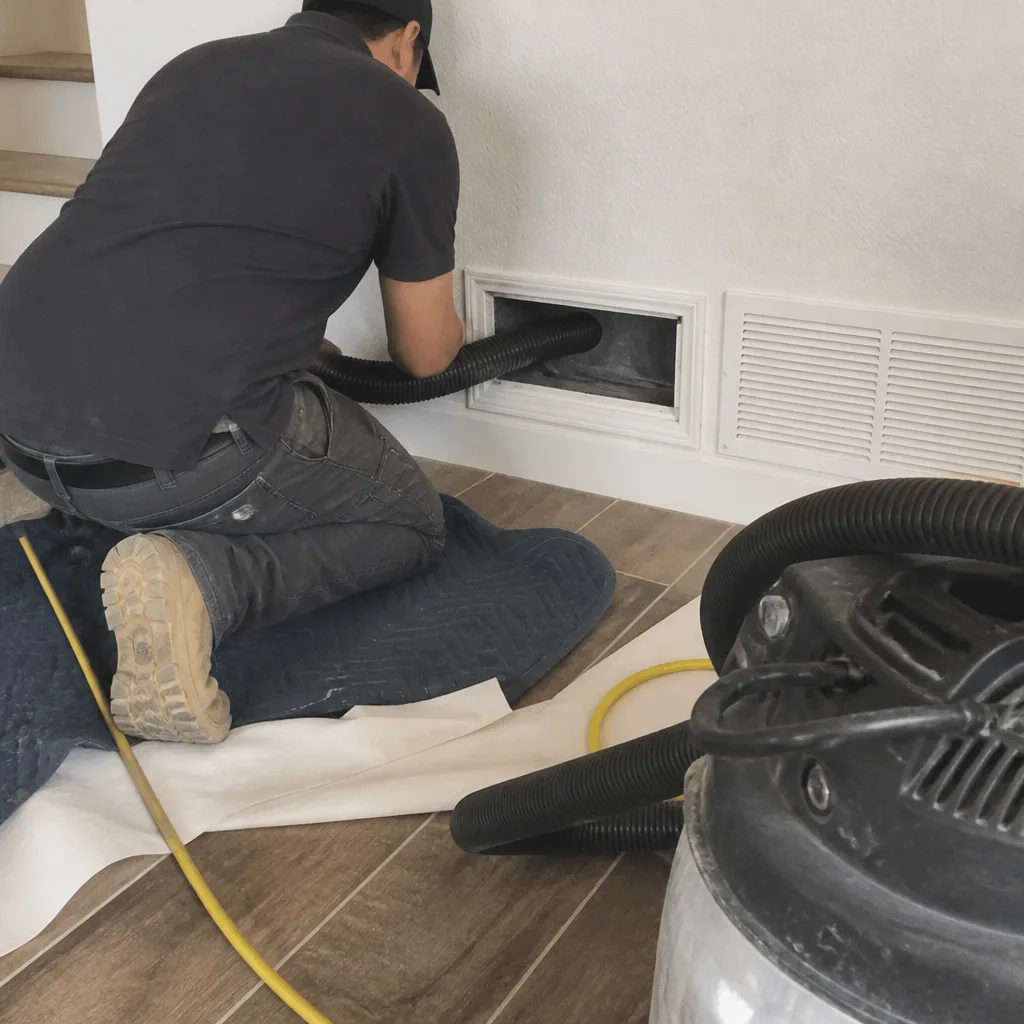 After
After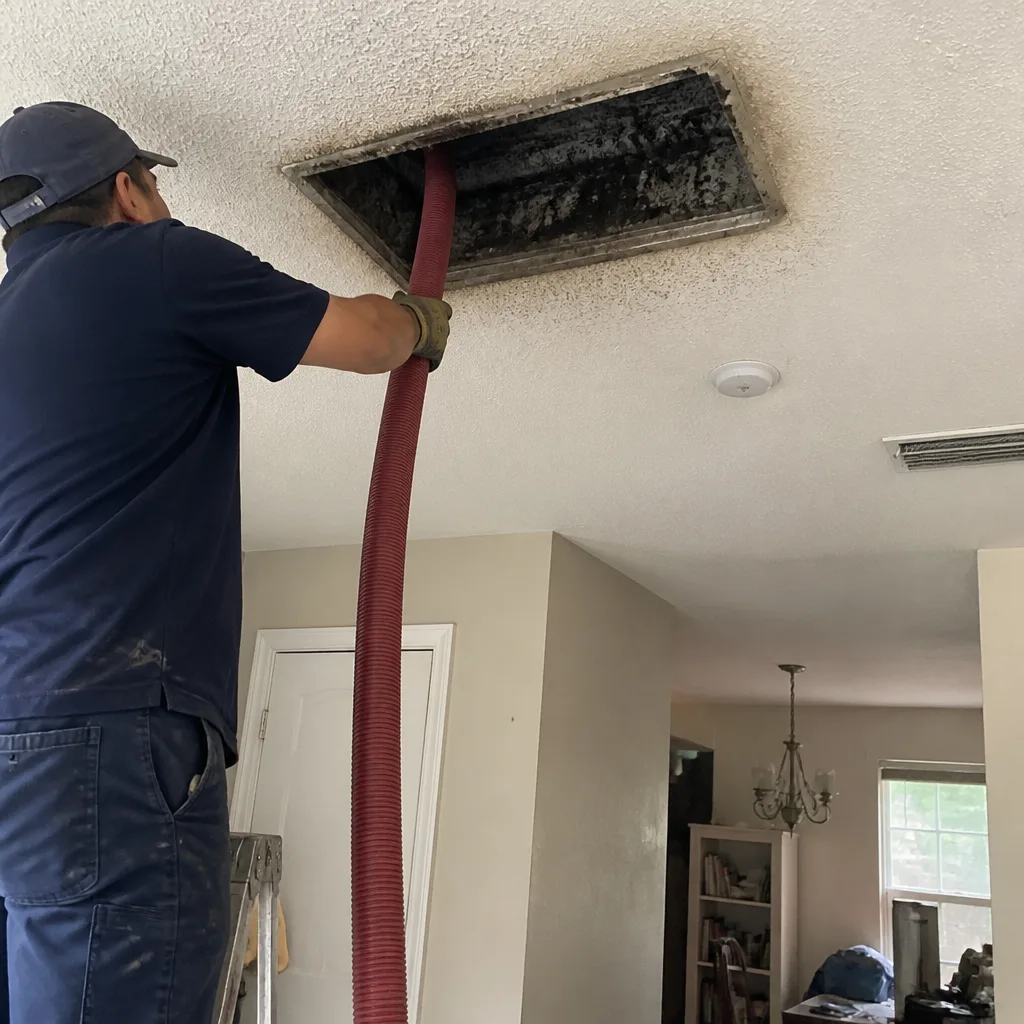 Before
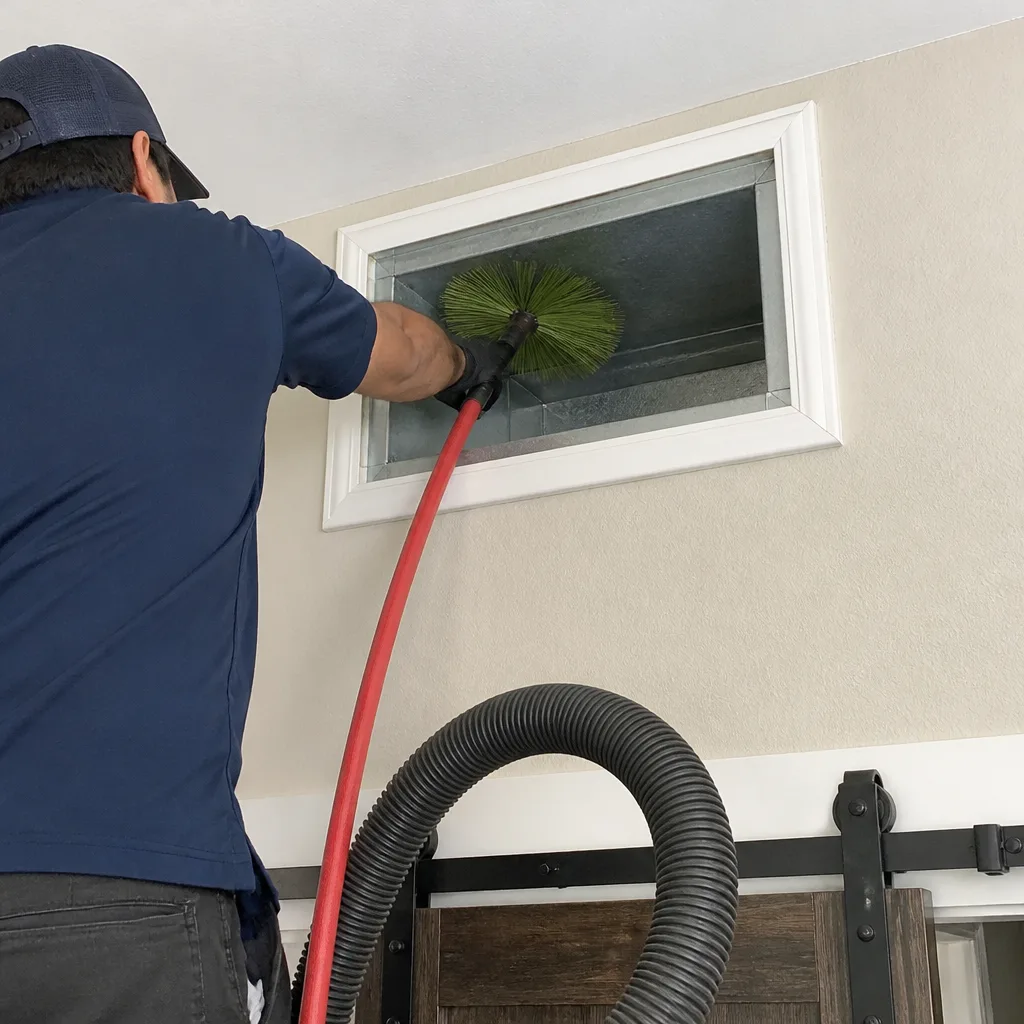 After
AfterReplacement Cost & What’s Included
In Dallas, replacement work on Abatement Technologies vent sanitizing systems typically breaks down like this:
- UV lamp replacement: $225 to $310 installed, depending on lamp length and whether it’s OEM or a matching equivalent.
- Ballast replacement: $285 to $380 installed. This is the most common failure we see after two to three years of Texas heat cycling.
- HEPA filter replacement: $340 to $540 installed for genuine Abatement cartridges, depending on unit size.
- Complete sanitizing module swap: $450 to $700 installed when the housing, sensor, and internals are all at end of life.
Every quote includes the part, the labor to remove and reinstall, disposal of the old component, and a system check to confirm the sanitizing function is actually working when we leave. We also put the 365-Day Done Right Promise in writing on every job. If that replacement fails within a year, we come back and make it right at no charge. That’s not a courtesy. It’s what the Kingswell Guarantee has meant since 2004.
DIY or Call Us?
For UV lamps, the safest homeowner check is visual: look through the viewport with the unit running. If there’s no glow, the lamp or ballast is dead. Beyond that, we recommend caution. UV sanitizing systems run on line voltage, and the ballast capacitors can hold charge even with power cut at the breaker. If you’re not comfortable working around energized components, don’t. A wrong move on a ballast replacement can damage the lamp, the controller board, or you.
What owners in Dallas can safely do: change the pre-filter if your unit has one, keep the return vent grille clean, and note the lamp model code printed on the housing before you call. That 30 seconds of reading saves us both time on the phone. If you’d rather not touch the unit at all, that’s fine too. Call (361) 314-5449 and we’ll handle it from start to finish.
Frequently Asked Questions
Abatement Technologies rates most of their UV lamps for 9,000 to 12,000 hours of use, which works out to roughly 12 to 16 months of continuous operation. In Dallas, where systems run harder through long, hot summers, we tell homeowners to expect replacement every 12 months if the system runs year-round. After that, the lamp is still glowing but its sanitizing output has faded below useful levels. If you want the exact lifespan for your lamp model, call us at (361) 314-5449 with the code printed on the housing.
Yes, in most cases the individual component can be replaced rather than the whole unit. A dead lamp needs a new lamp. A dead ballast needs a new ballast. Where it stops making sense is when the housing is cracked, the control board is corroded, or the unit is more than eight years old and three components are nearing end of life. At that point a full module swap is the cheaper long-term path. Call us and we’ll give you an honest answer before any work is approved.
Most lamp and ballast replacements take 45 to 90 minutes from arrival to cleanup, including the post-install verification. HEPA filter swaps run about the same. A full sanitizing module replacement can take two to three hours because we’re re-fitting the housing and checking the airflow seal at the plenum. We’ll give you a window when you book, and we show up in it. That’s part of the Kingswell Way.
We stock common UV lamps, ballasts, and the most frequently used Abatement HEPA cartridges on our service vehicles, so in many cases we can complete the repair the same day we diagnose it. For less common model-specific parts, we source them through our supplier network and typically have them in hand within two to three business days in Dallas. We also keep compatible components for Lennox, Trane, and Carrier systems when a unit needs crossover matching.
If your Abatement Technologies vent sanitizing system isn’t doing what it should, call Kestrel Air Duct Dallas at (361) 314-5449. We’ll diagnose the problem, put the price in writing, and stand behind the work for a full year. That’s how we’ve done it since 2004, and that’s how we’ll do it on your system.
Written by Dale Whitmore, Owner, Kestrel Air Duct Dallas at Kestrel Air Duct Dallas, serving Dallas and nearby areas.