
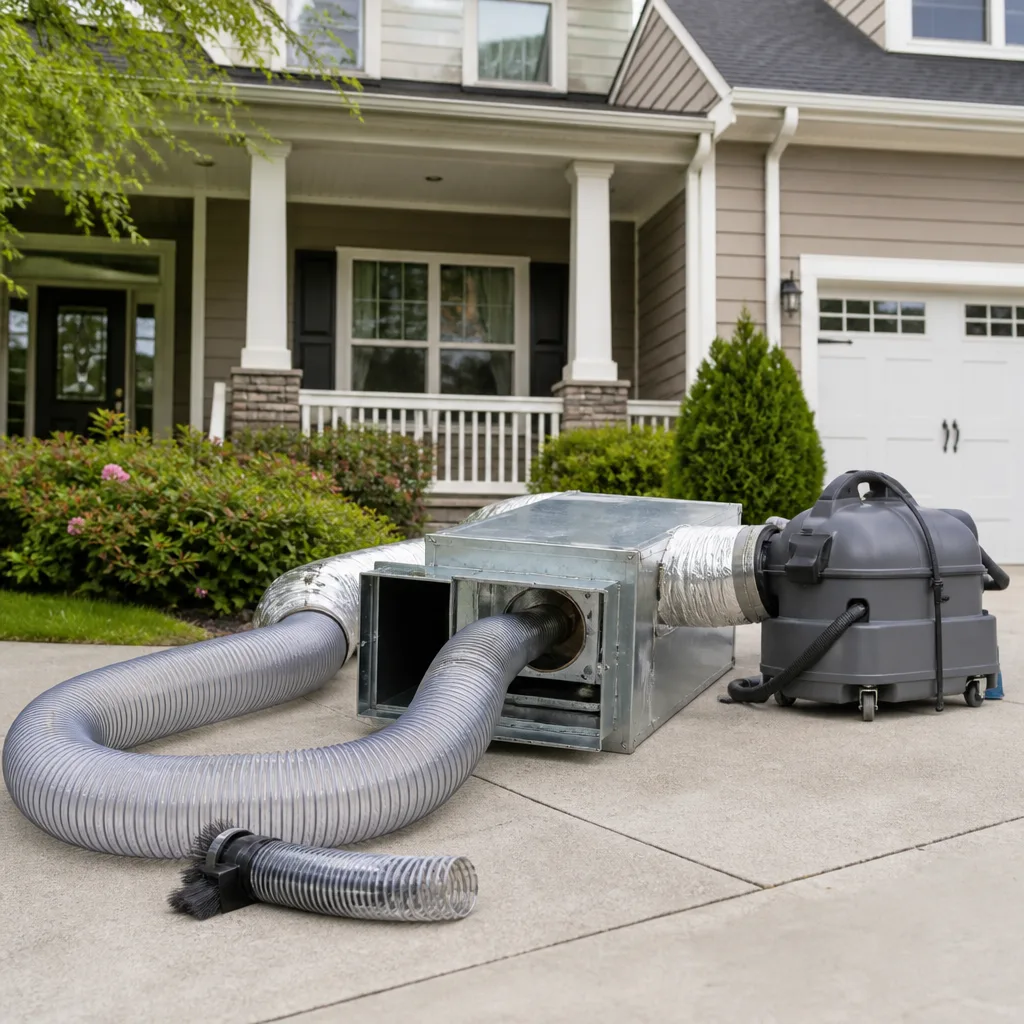
 Whole-home duct cleaning
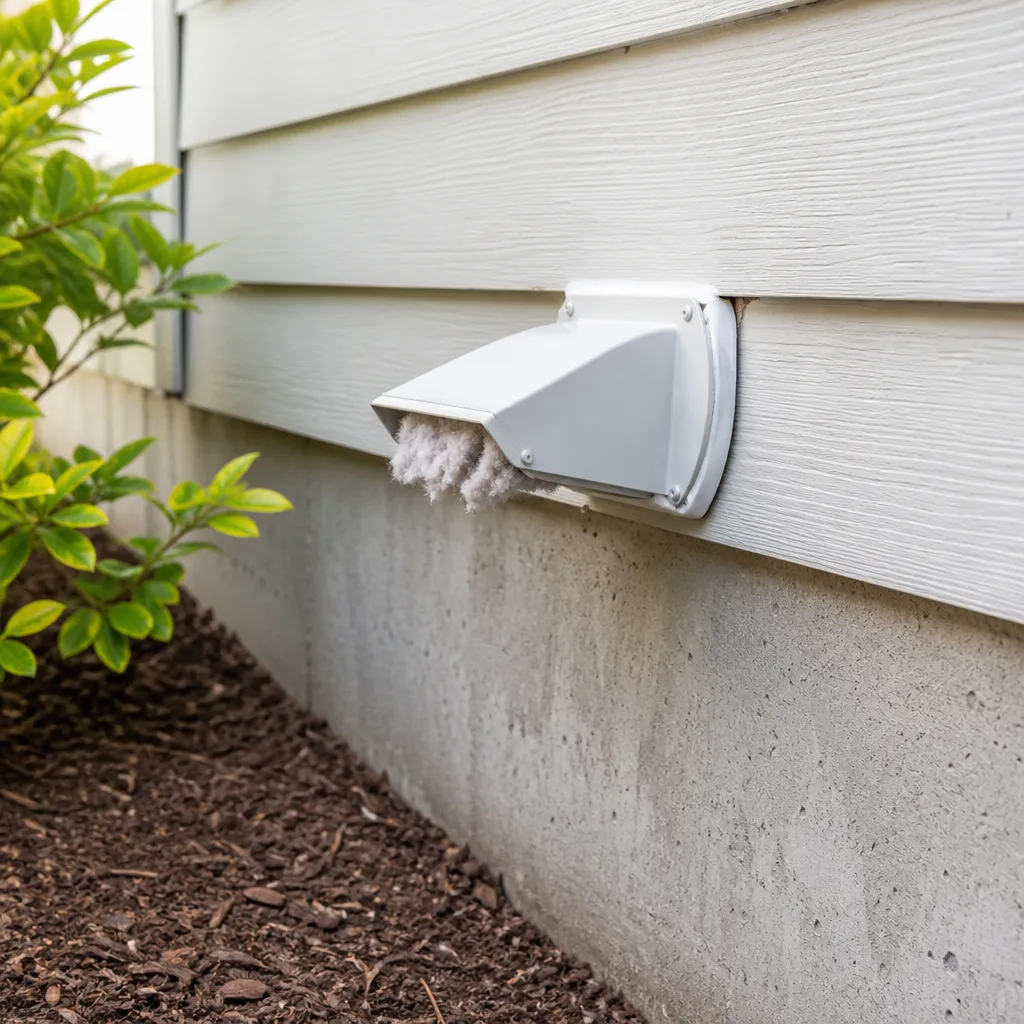 Dryer vent cleaning
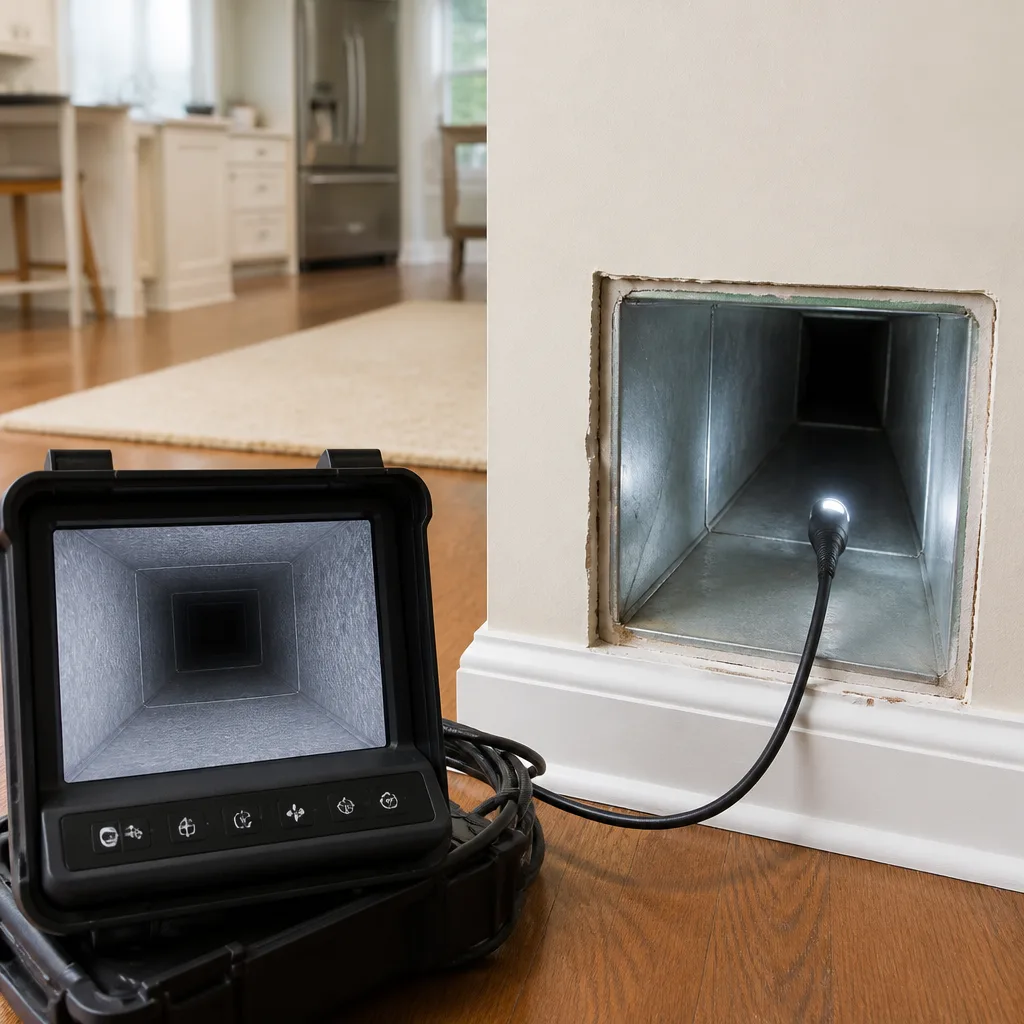 Camera inspection
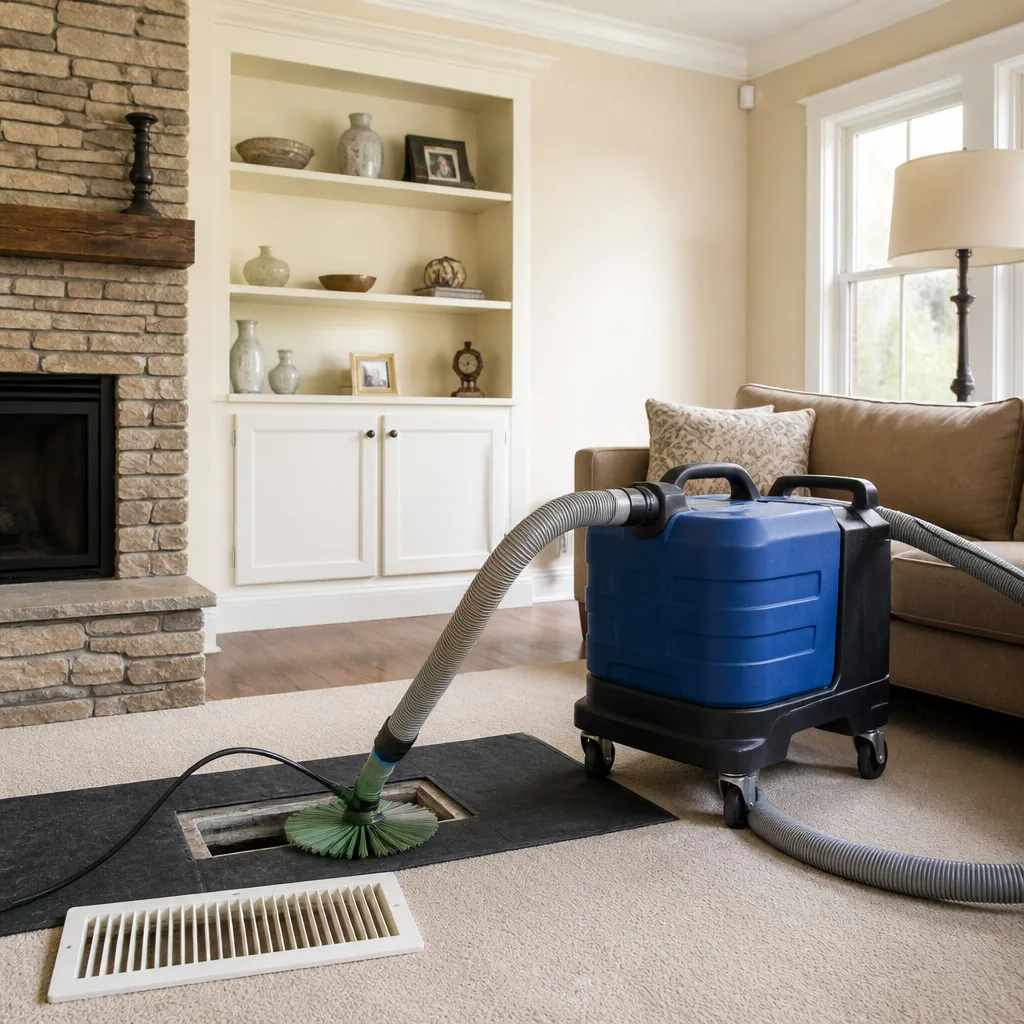 Sanitizing & deodorizing
Whole-system duct and dryer vent check with before-and-after photos - you see exactly what came out of your vents
That "$99 whole-house special" is a bait ad - the real number appears once they are in your hallway, or the "clean" is a shop-vac at the register. We photograph the inside of your ducts before and after instead.
Honeywell Coil Cleaning: The Dallas Owner’s Guide
Honeywell coil cleaning in Dallas typically runs between $180 and $420 for a full evaporator and condenser coil service, depending on access and how badly the coils are fouled. We carry Honeywell-compatible coil cleaners and the tools to do the job right, and most coil cleanings are completed in a single visit. The usual story we hear is this: the AC runs constantly, the house never quite cools, and the electric bill keeps climbing. That’s a dirty coil doing exactly what a dirty coil does, working harder and delivering less.
What surprises most Dallas homeowners is how fast coil fouling happens here. Cottonwood, construction dust, and the fine clay soil that blows through every fence line settle into the coil fins and bake on under Texas heat. After one or two summers, the coil is wearing a blanket. The good news is this is a fixable problem, and it’s one Dale Whitmore and our crew handle regularly across Dallas.
Which Honeywell Models This Applies To
Coil cleaning isn’t model-specific the way a control board or blower motor is, but the approach does change with the equipment. If you have a Honeywell-branded air handler, furnace coil, or heat pump, the coil inside is almost certainly a slab or A-frame design, and the cleaning method depends on which one you have. A-frame coils hide between two angled slabs, and the dirt packs into the apex where the two sides meet. Slab coils collect debris evenly across the face but can be harder to reach depending on the cabinet orientation.
Here’s the compatibility gotcha most owners run into: the coil itself is rarely stamped with a Honeywell part number you can read without pulling the access panel. Look for the model number on the air handler or furnace cabinet instead, usually on a white or silver label near the electrical disconnect. That number tells us what coil you have and whether it’s a cased or uncased design, which changes the cleaning access. We use that number to confirm the right coil cleaner chemistry before we arrive. On the OEM-versus-aftermarket question: for coil cleaning chemicals, the OEM label matters less than the formulation. Honeywell recommends specific cleaners for their coils, and we match that chemistry with professional-grade products that are safe for aluminum fins and copper tubing. Kestrel Air Duct Dallas is an independent service provider, not affiliated with Honeywell, but we spec our cleaners to their coil materials.
Styles & brands we work with
Signs Your Honeywell Coil Cleaning Is Failing
- AC runs but doesn’t cool. The compressor is working, the fan is spinning, but the air coming out of the registers is barely cool. A dirty evaporator coil can’t transfer heat efficiently, so the refrigerant never sheds the heat it picked up inside, and your house stays warm.
- Frost or ice on the indoor coil or refrigerant lines. When airflow drops because the coil is matted with dirt, the coil temperature falls below freezing. Frost builds first on the coil surface, then the larger suction line. Left long enough, that ice migrates back to the compressor and can kill it outright, one of the most expensive failures in an AC system.
- Electric bill climbs without a change in usage. A fouled coil forces the compressor to run longer cycles and the system works against itself. In Dallas, where summer cooling accounts for the biggest share of the household electric load, a dirty coil can add real dollars to every bill from May through September.
- Condensate pan overflows or the drain line clogs more often. Dirt that washes off the coil during normal condensation settles in the pan and drain line. If you’re clearing a clogged drain every few months, the source is upstream, a coil shedding debris into the water path.
- Uneven cooling between rooms. The rooms closest to the air handler stay tolerable while rooms at the end of the duct run struggle. A restricted coil reduces total airflow, and the rooms farthest from the blower feel that loss first.
See the difference
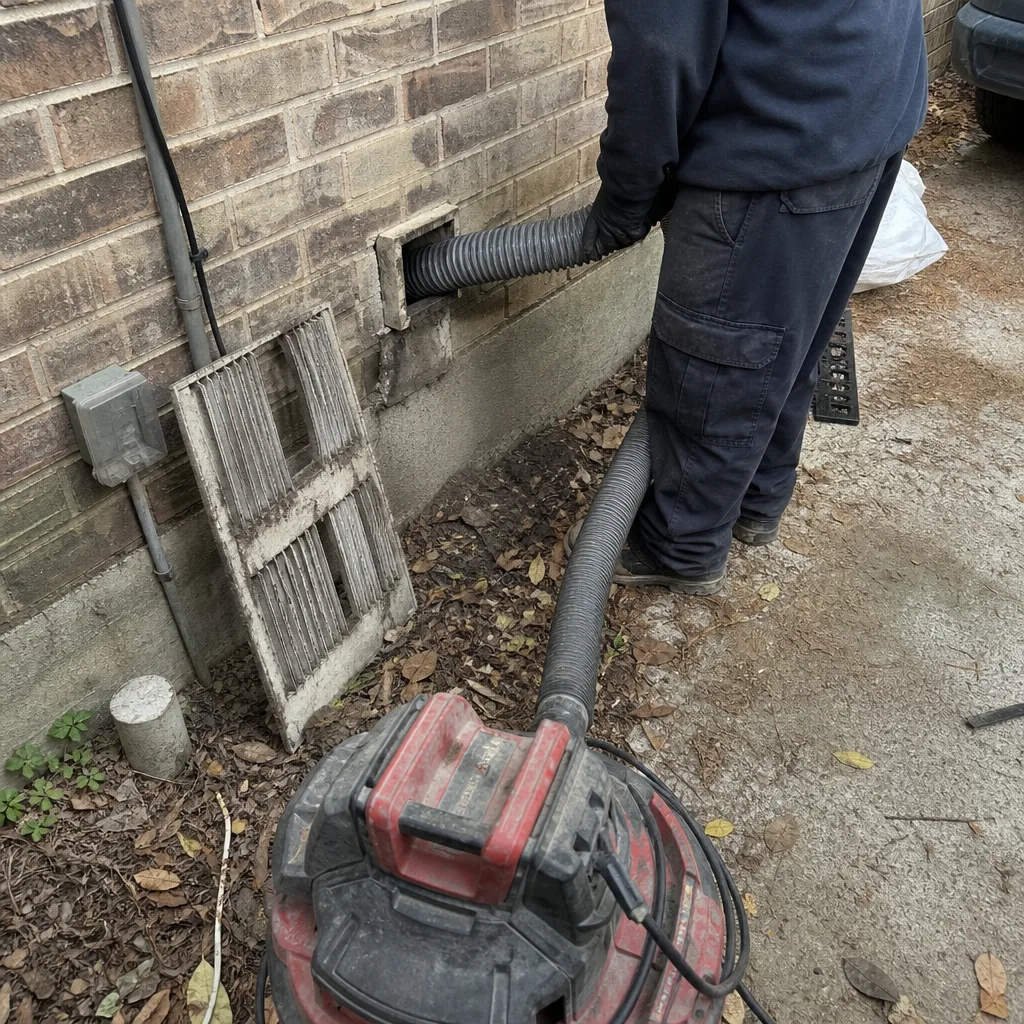 Before
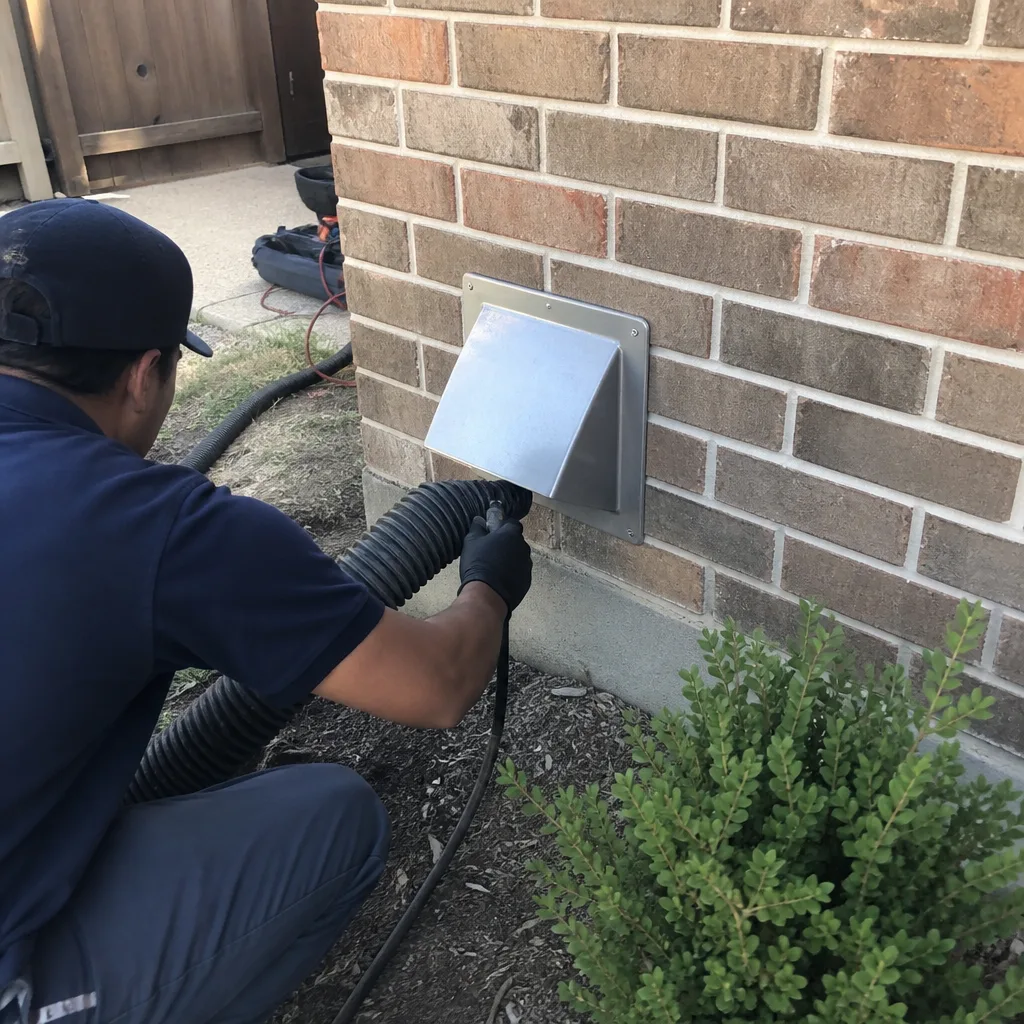 After
After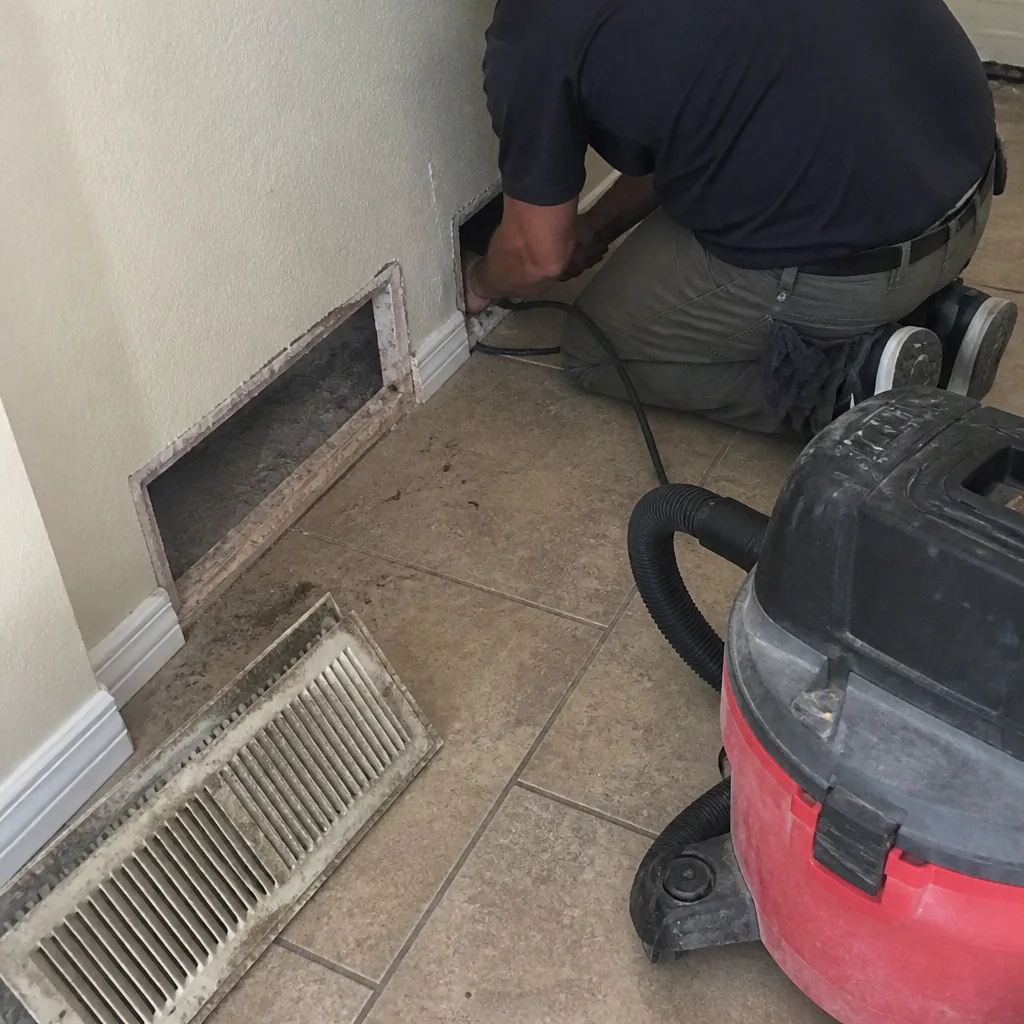 Before
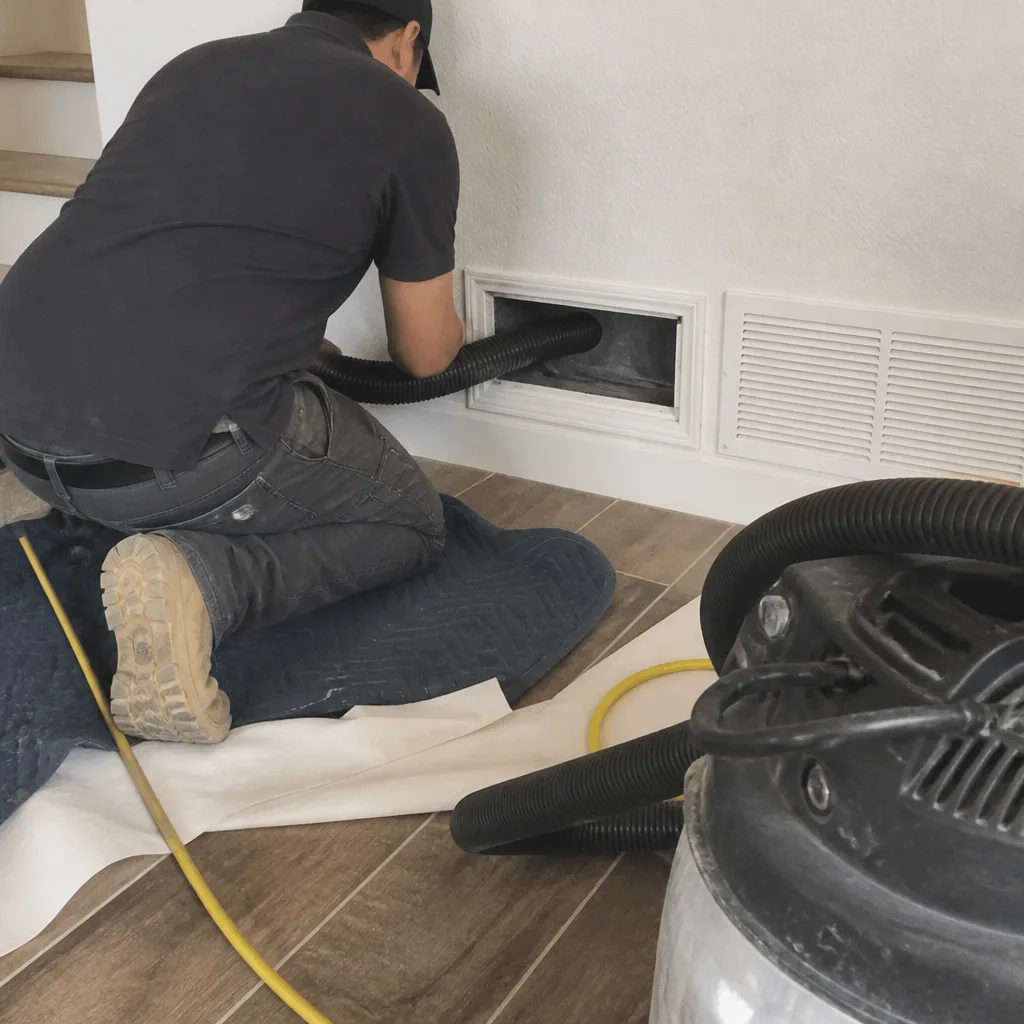 After
After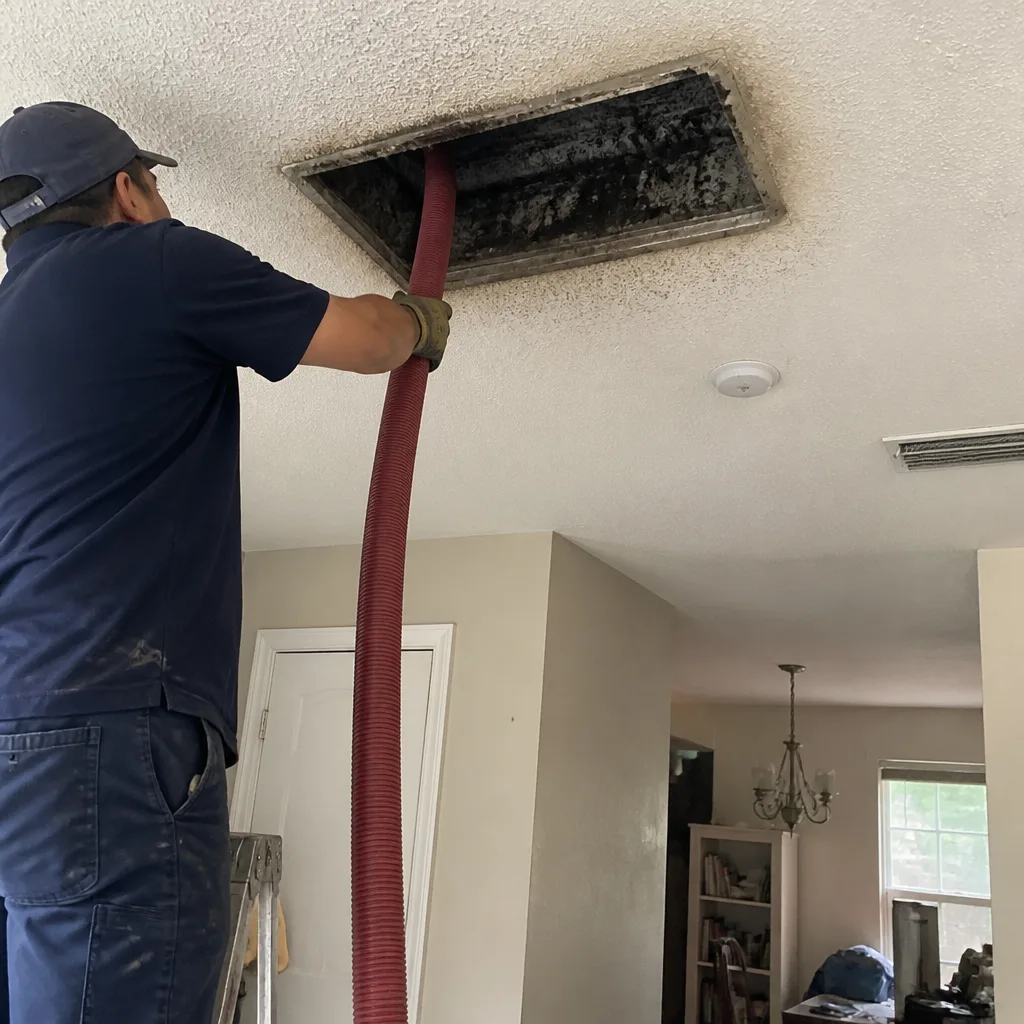 Before
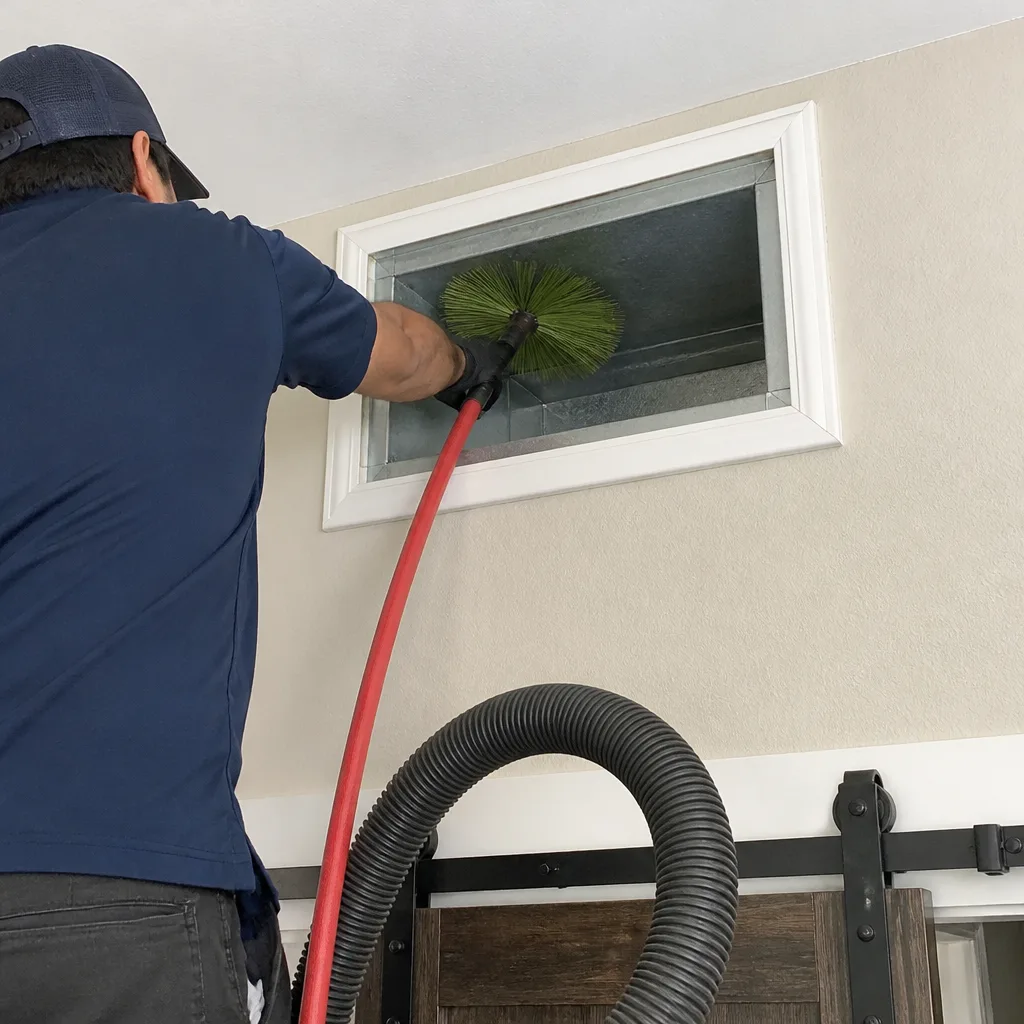 After
AfterReplacement Cost & What’s Included
For coil cleaning in Dallas, most homes fall between $180 and $420. The range comes down to access: a coil you can reach through a standard access panel is on the lower end, while a coil buried in an attic corner with a tight coil cabinet runs higher. In some cases, the coil is so severely impacted that cleaning alone won’t restore proper airflow, and at that point we’ll tell you plainly what a replacement coil would cost instead of selling you a cleaning that won’t hold.
Every coil cleaning includes removing the access panel, inspecting the coil condition, applying the correct Honeywell-compatible cleaner, and washing the coil with controlled water pressure so the fins don’t get flattened. We also clear the condensate drain line and pan while we’re in there, because a clean coil over a clogged drain just moves the problem. The written price is in your hands before any work begins, and the 365-Day Done Right Promise applies: if the coil is still underperforming within the guarantee period, we return and make it right at no charge.
DIY or Call Us?
There are three things a Dallas homeowner can safely check without touching the coil. First, replace the air filter if it’s dirty, since a plugged filter mimics coil fouling. Second, look at the outdoor condenser unit, if it’s caked with grass clippings, pet hair, or cottonwood, that alone can cause the symptoms above. Third, check the condensate drain line trap for sludge. Those three checks cost nothing and rule out the easy fixes.
What we don’t recommend is pulling the evaporator coil cabinet yourself. The coil sits inside a sealed cabinet that also houses electrical connections and, in many Dallas homes, a gas furnace heat exchanger directly below it. Opening the wrong panel can expose live wiring or disturb combustion seals. Coil cleaning also requires applying the right cleaner at the right dilution, then rinsing without flooding the cabinet or flattening fins with too much water pressure. If you’ve made it this far and the symptoms still match, call us at (361) 314-5449. We’ll assess it honestly, and if it doesn’t need cleaning, we’ll tell you that too.
FAQs
In Dallas, every two to three years is realistic for most homes, and homes with shedding pets, frequent open windows, or nearby construction may need it annually. The coil sits wet and cold during every cooling cycle, which makes it a magnet for airborne dust and pollen.
Cleaning is the repair, in most cases. The coil itself doesn’t fail from dirt, it fails from overheating the compressor or icing up, and a thorough cleaning restores heat transfer without replacing parts. If the coil has corroded or the fins have disintegrated from chemical damage, that’s a replacement situation, and we’ll show you the damage before recommending it.
Most Honeywell coil cleanings are completed in 90 minutes to two and a half hours, depending on access and how heavily the coil is fouled. Attic jobs on hot afternoons take longer for the technician’s safety and the quality of the work.
Yes, we carry Honeywell-compatible cleaners for both evaporator and condenser coils, and we stock replacement filters and coil treatment products from Honeywell, Aprilaire, and Guardsman. We also work with Lennox, Trane, and Carrier equipment, so if your system is a mixed brand, we can still service the coil. Call (361) 314-5449 and we’ll confirm the right product for your coil before we arrive.
Written by Dale Whitmore, Owner, Kestrel Air Duct Dallas at Kestrel Air Duct Dallas, serving Dallas and nearby areas.