
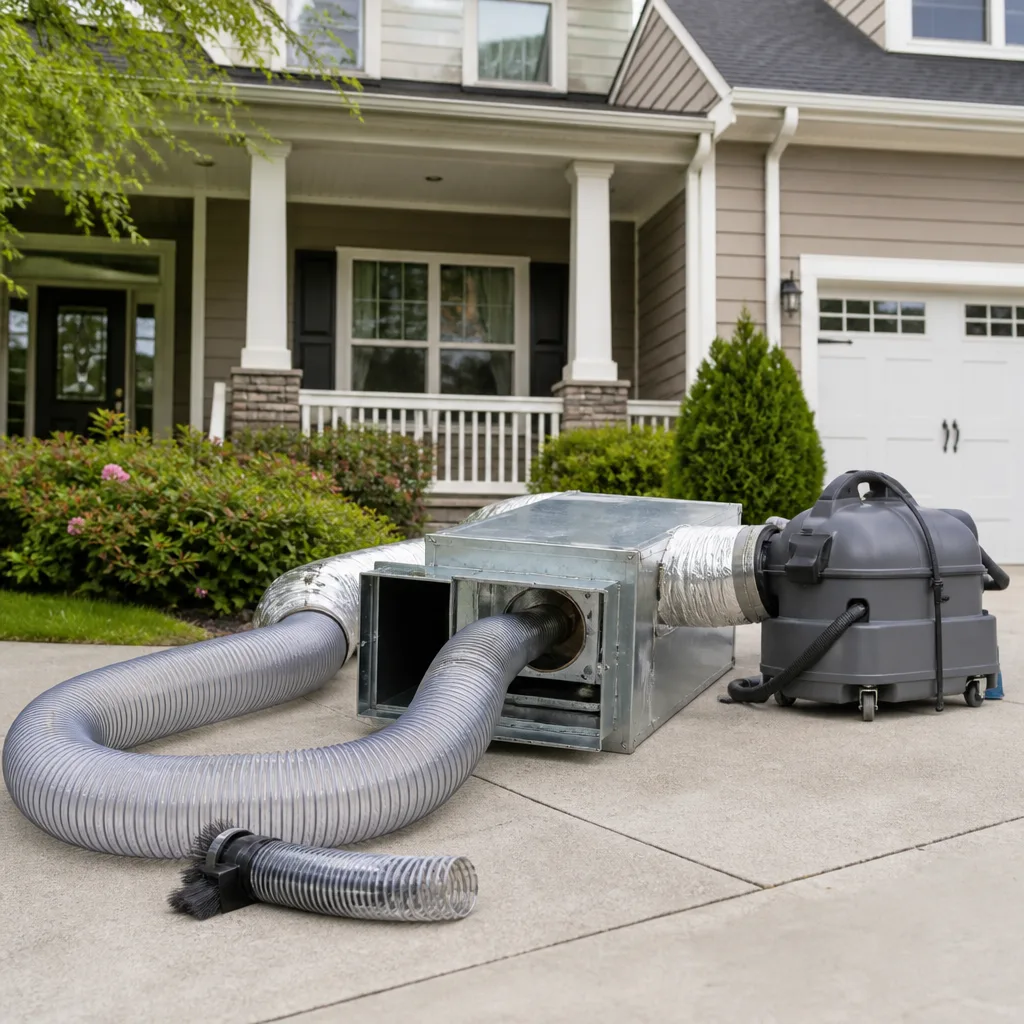
 Whole-home duct cleaning
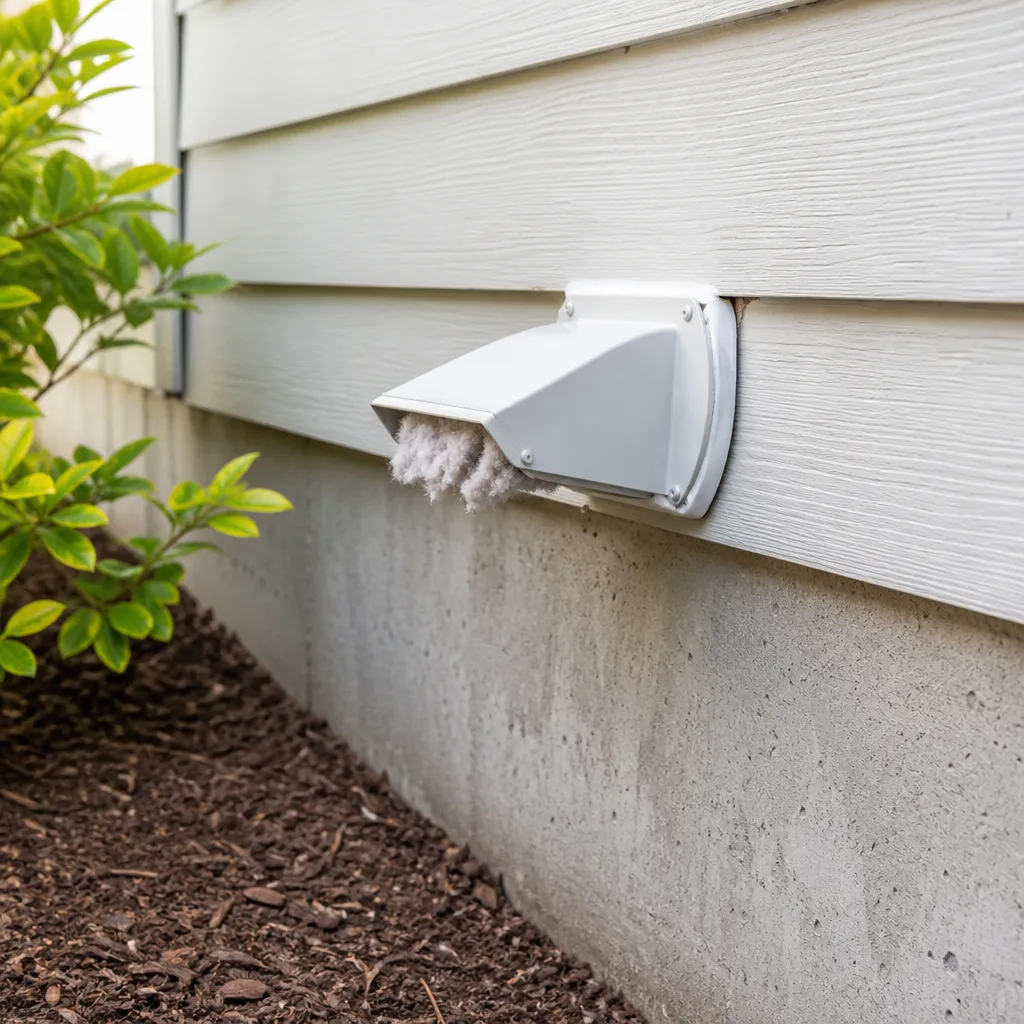 Dryer vent cleaning
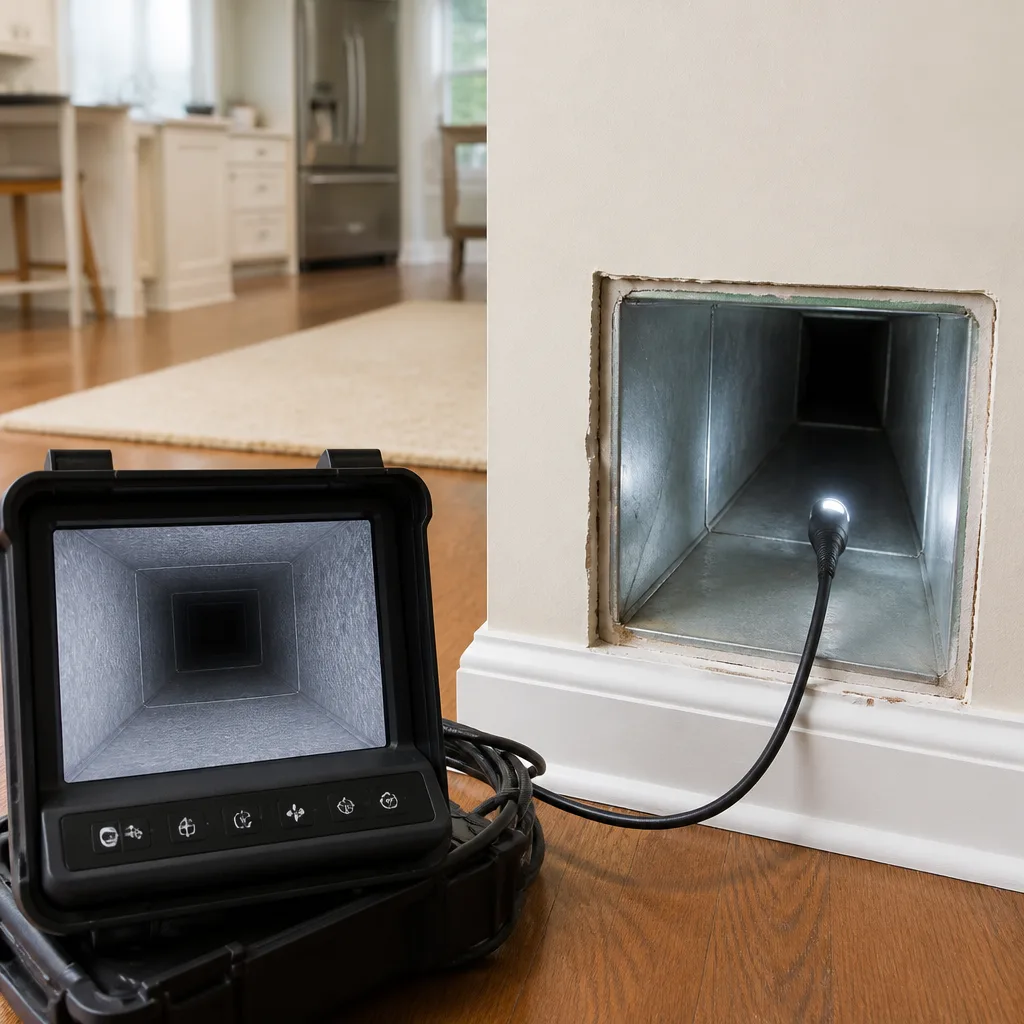 Camera inspection
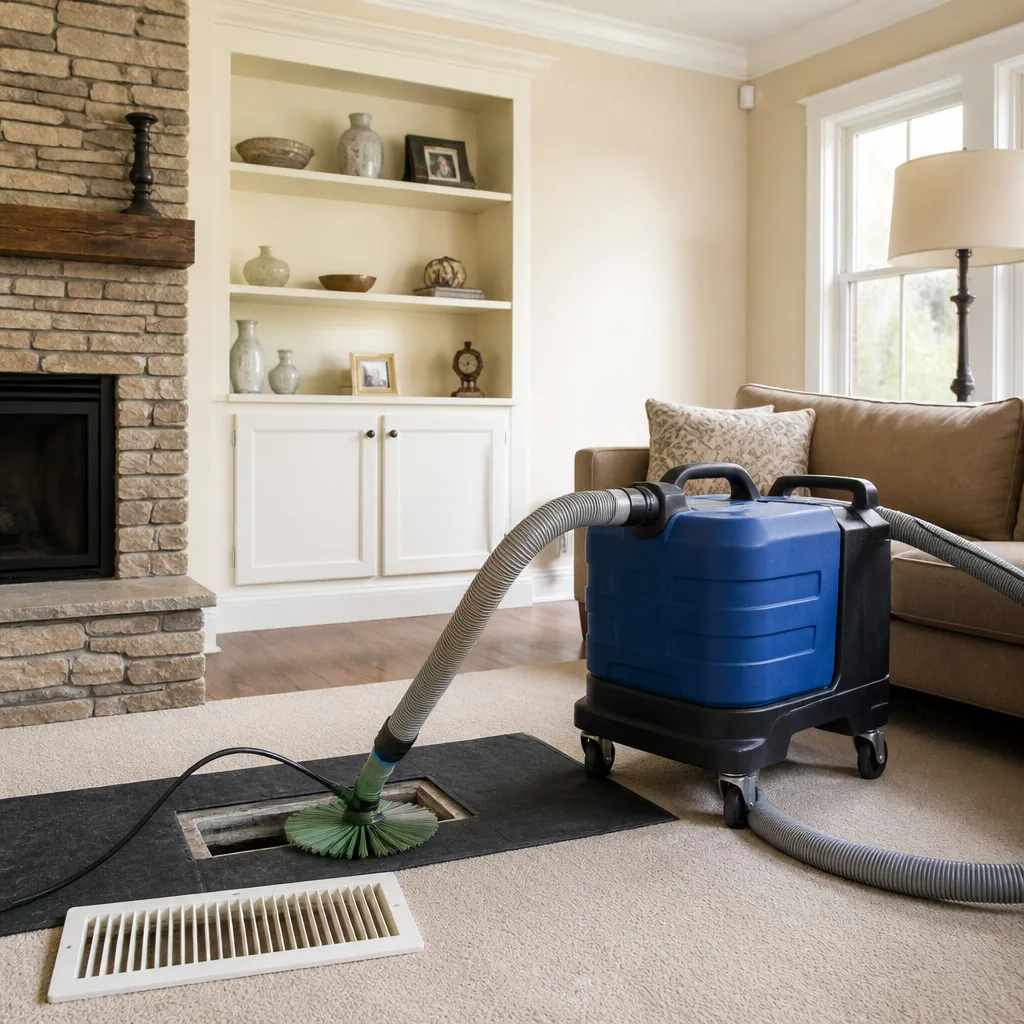 Sanitizing & deodorizing
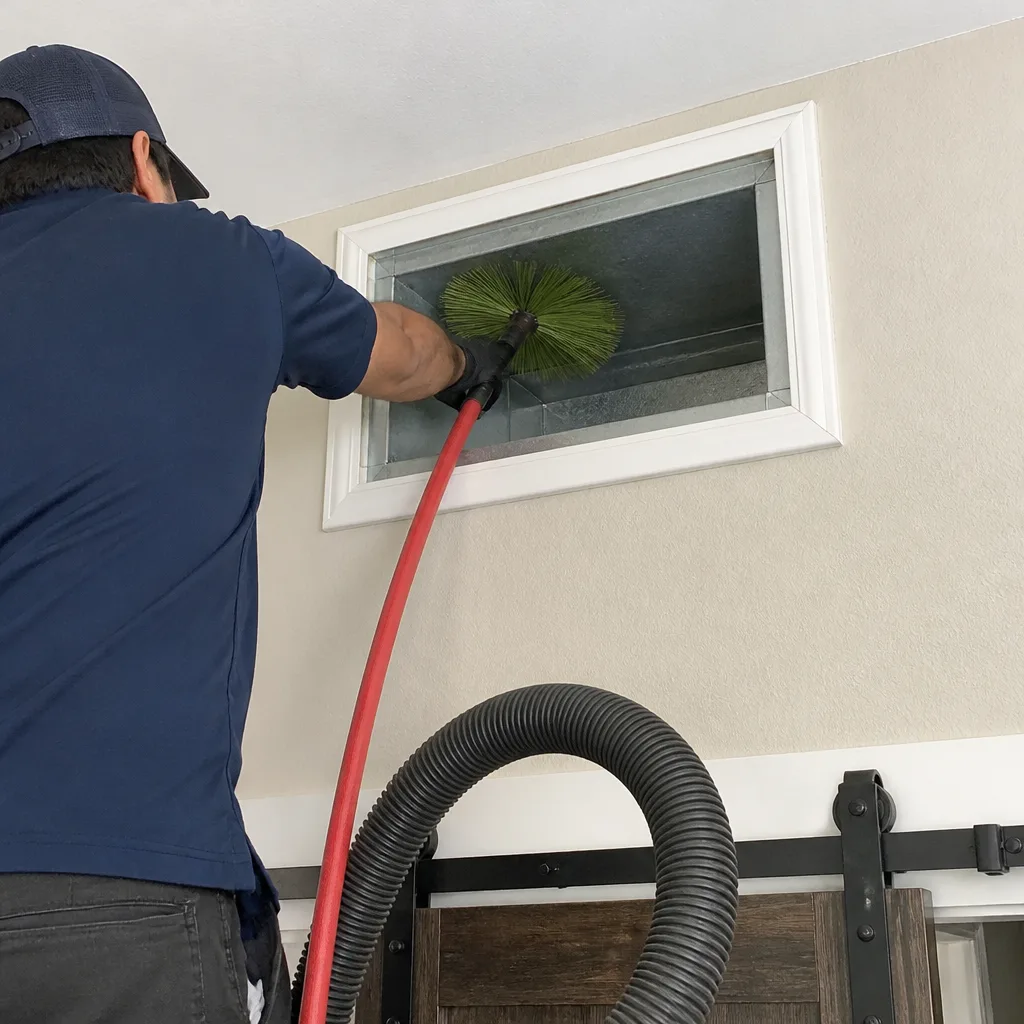
Whole-system duct and dryer vent check with before-and-after photos - you see exactly what came out of your vents
That "$99 whole-house special" is a bait ad - the real number appears once they are in your hallway, or the "clean" is a shop-vac at the register. We photograph the inside of your ducts before and after instead.
Honeywell Vent Sanitizing: The Dallas Owner’s Guide
If your Honeywell vent sanitizing system has stopped doing its job, we stock Honeywell-compatible UV sanitizing components and install them across Dallas for most homes between $340 and $680, parts and labor included. We keep the common Honeywell UV bulbs, ballasts, and power supplies on the truck, so a Dallas homeowner with a failed unit can often get it running again the same day we arrive. The way most people find out something failed is simple: the little indicator light on the unit goes dark, or the air near the vents stops smelling as clean as it did the first month after installation.
Honeywell builds their vent sanitizing systems around UV-C bulbs that sit in the duct or plenum and neutralize mold, bacteria, and the stuff that makes a house smell like a wet gym bag after a Texas summer. When a bulb burns out or a ballast fails, the fans keep moving air but the sanitizing stops. Quietly. No alarm, no error code on the thermostat. Just air that gradually stops feeling as fresh. That’s the call we get most often from Dallas homeowners: “The light’s been out for a while and I’m not sure it’s doing anything.” Let’s talk about what actually fails, what it costs to fix, and whether you should touch it yourself.
Which Honeywell Models This Applies To
Honeywell has put their UV sanitizing technology into several product lines over the years, and the part you need depends on which one is bolted to your ductwork. The main series we see in Dallas homes include the Honeywell UV100A, UV2400, and the newer UV500 series, which is the one with the replaceable bulb cartridge and the little LED status light on the front. The UV100A is the older workhorse; the UV2400 added a second bulb for larger plenums; the UV500 is the current model line and the one we install most often now.
The critical compatibility gotcha with Honeywell vent sanitizing is this: the bulb and the ballast are matched pairs, and a UV500 bulb will not run on a UV100A ballast even if it physically fits the socket. We’ve seen Dallas homeowners buy what looked like a deal online, install it, and then call us when the bulb never lights. Honeywell also stamps the model number on the side of the metal housing, usually near the power cord, and the bulb itself has a three-digit code printed on the ceramic base. Bring that code when you call or send us a photo; it saves a trip. For the record, Kestrel Air Duct Dallas is an independent service provider and not affiliated with Honeywell. We install and service their equipment, and we also stock vent sanitizing parts that fit Lennox, Trane, and Carrier systems if your setup is mixed-brand.
On the OEM versus aftermarket question for Honeywell specifically: the OEM bulbs are priced higher but carry a one-year manufacturer warranty and are exactly matched to the ballast output. Quality aftermarket bulbs from Philips or Steril-Aire often run 20 to 30 percent less and work fine in our experience, but they tend to have a slightly shorter effective life. For the ballast and power supply, we recommend OEM Honeywell parts every time. That’s where the matching matters most.
Styles & brands we work with
Signs Your Honeywell Vent Sanitizing Is Failing
- The status light is off or flickering. On the UV500 series, a green light means the bulb is firing. Off means the bulb is dead or the ballast quit. Flickering usually means the bulb is near the end of its life and struggling to ignite, which is the point where it’s still drawing power but producing almost no UV output.
- Air smells stale or musty near the supply vents. The UV-C light was actively breaking down odor-causing organic compounds. Once it stops, whatever is growing in the wet coil section of the plenum starts winning again. In Dallas humidity, that happens faster than most people expect.
- Visible dust or film is accumulating on the bulb glass itself. A working UV bulb stays relatively clean because the light degrades the film that tries to form on it. A dead bulb collects a gray, greasy coat within a few weeks. If you can see the bulb through the viewing port and it looks dirty, it’s not sanitizing anything.
- The bulb is blackened at the ends or has a white powdery interior. This is the classic end-of-life signature for UV-C bulbs. The filament material darkens, the internal phosphor degrades, and output drops to a fraction of its rated level. A bulb can look lit and still be producing almost no germicidal light if this has set in.
- Mold is reappearing around the supply registers or on the coil access panel. Honeywell vent sanitizing systems are installed specifically to keep the coil and plenum surface clean. When the UV output stops, that surface becomes a petri dish again within 60 to 90 days in a Dallas cooling season. If you wiped the registers clean and the spotting returned, check the UV system first.
See the difference
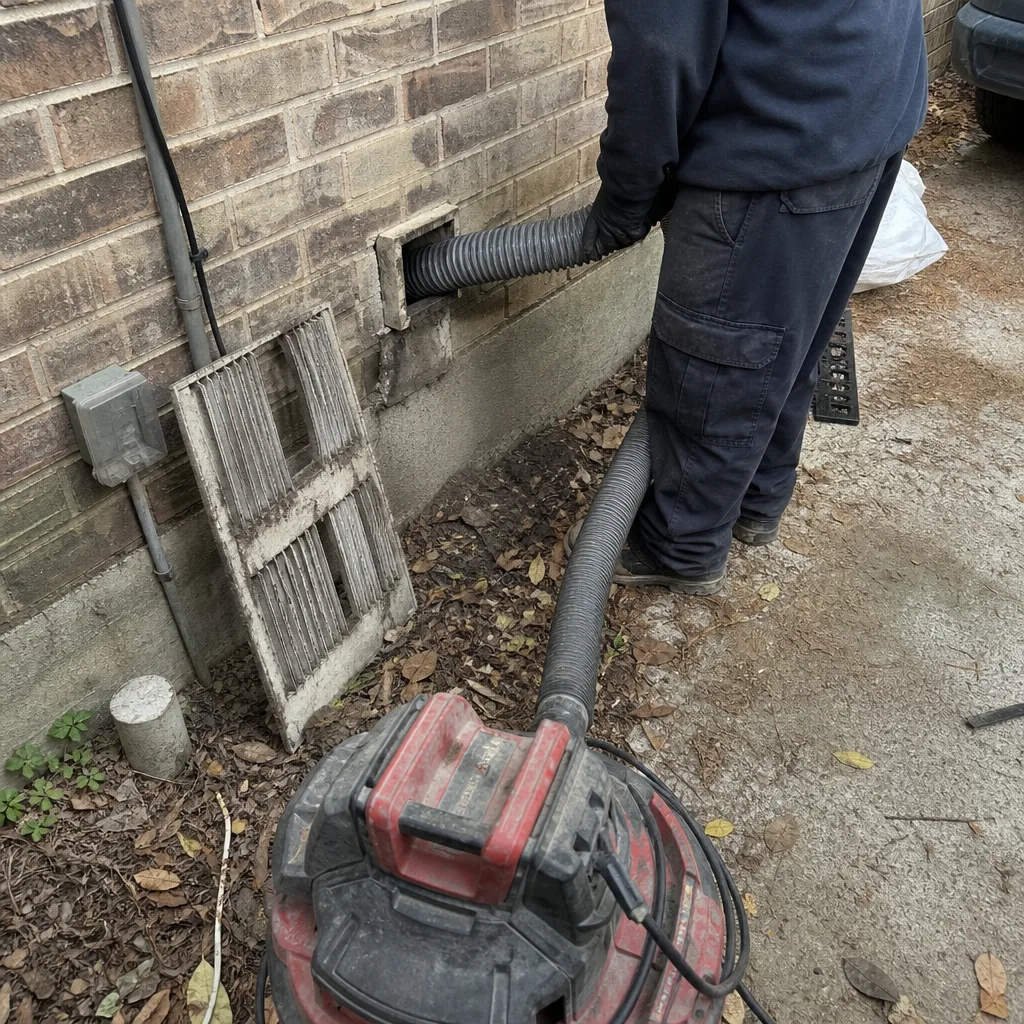 Before
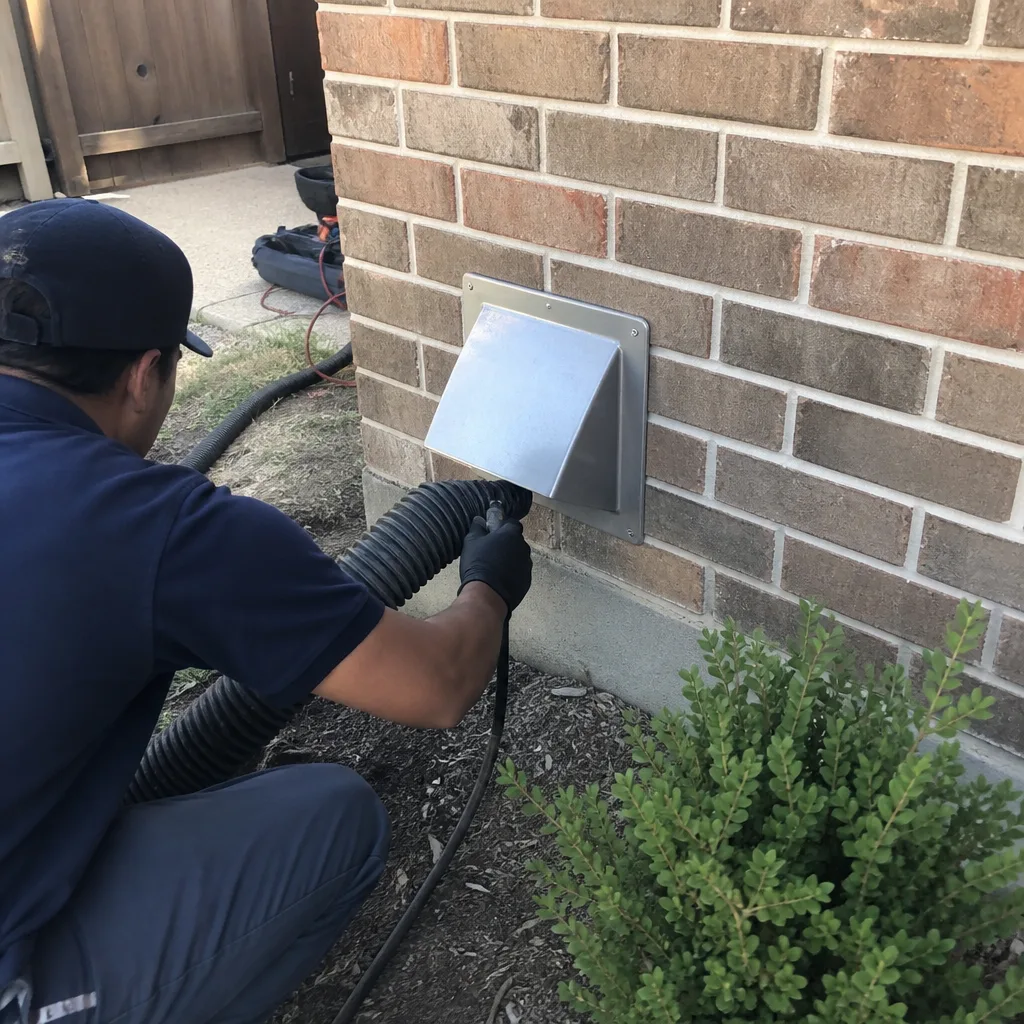 After
After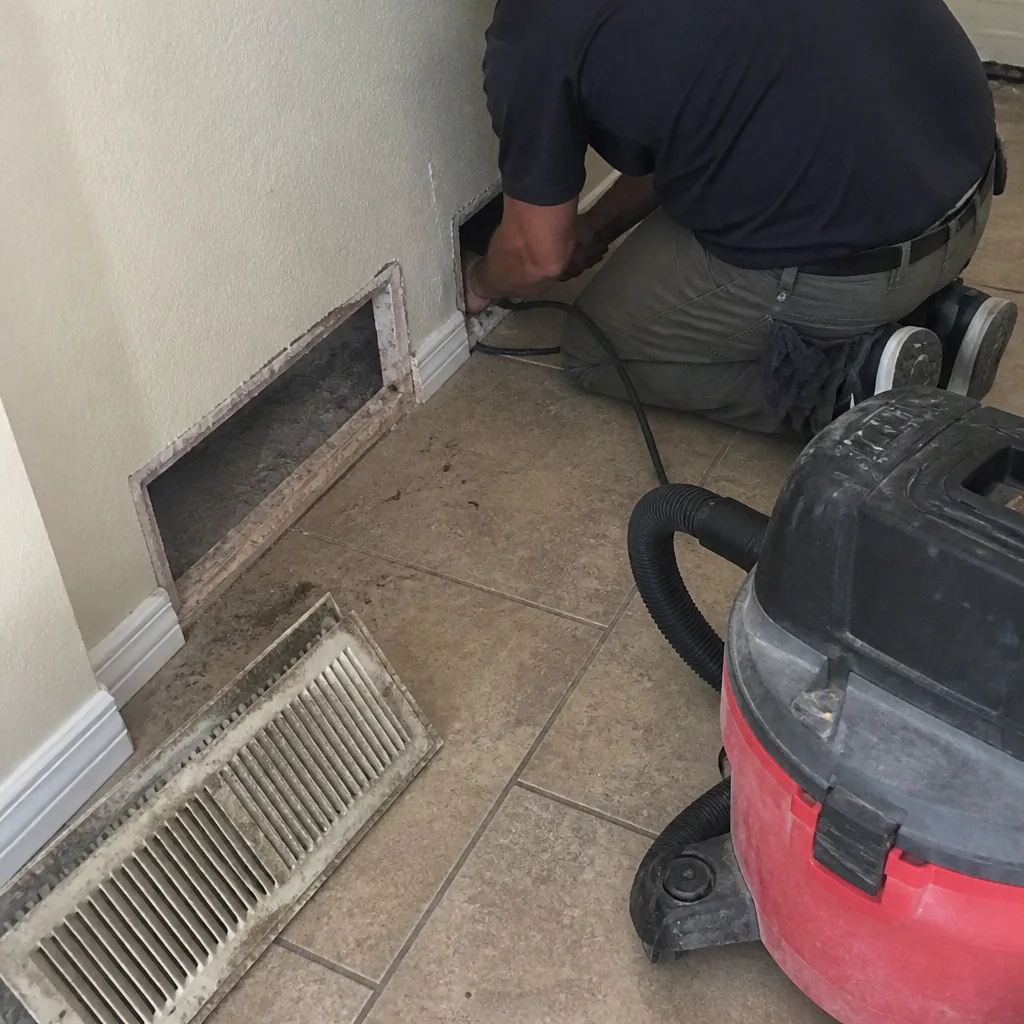 Before
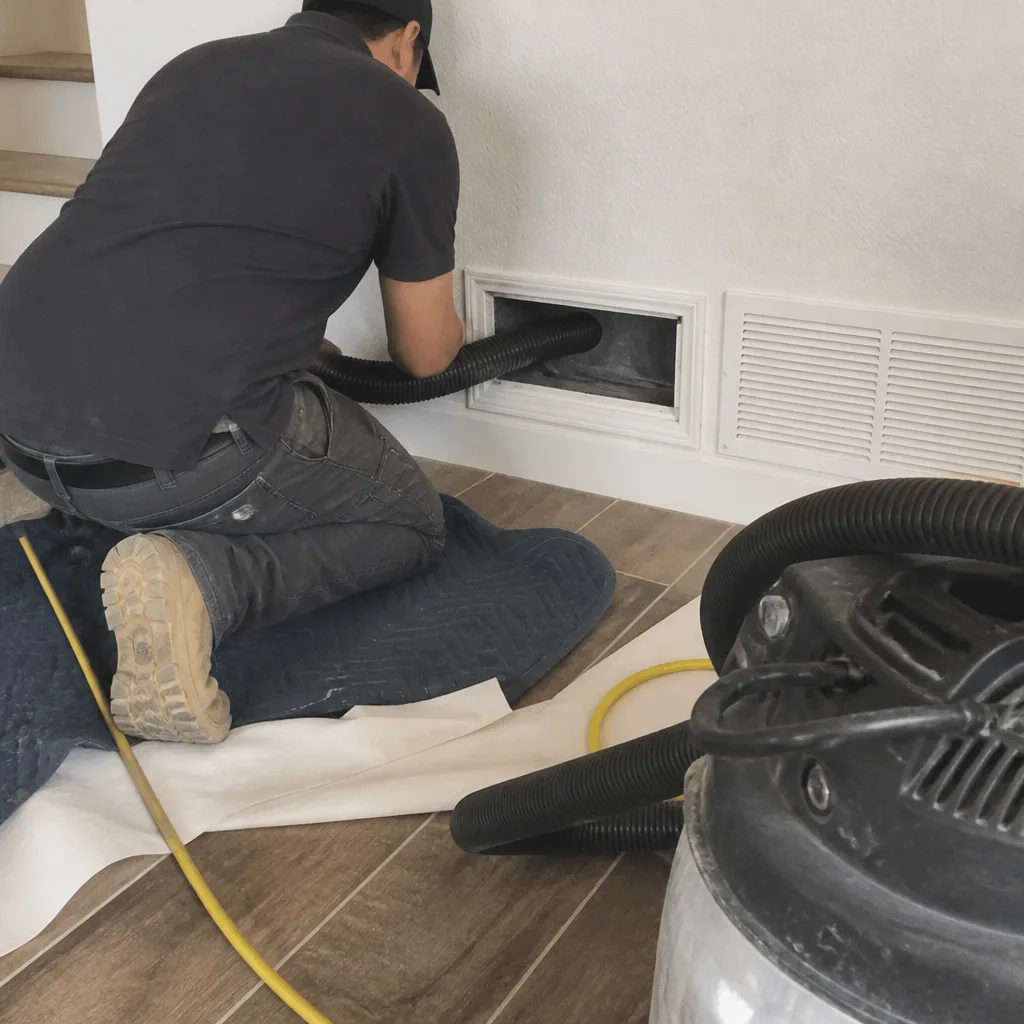 After
After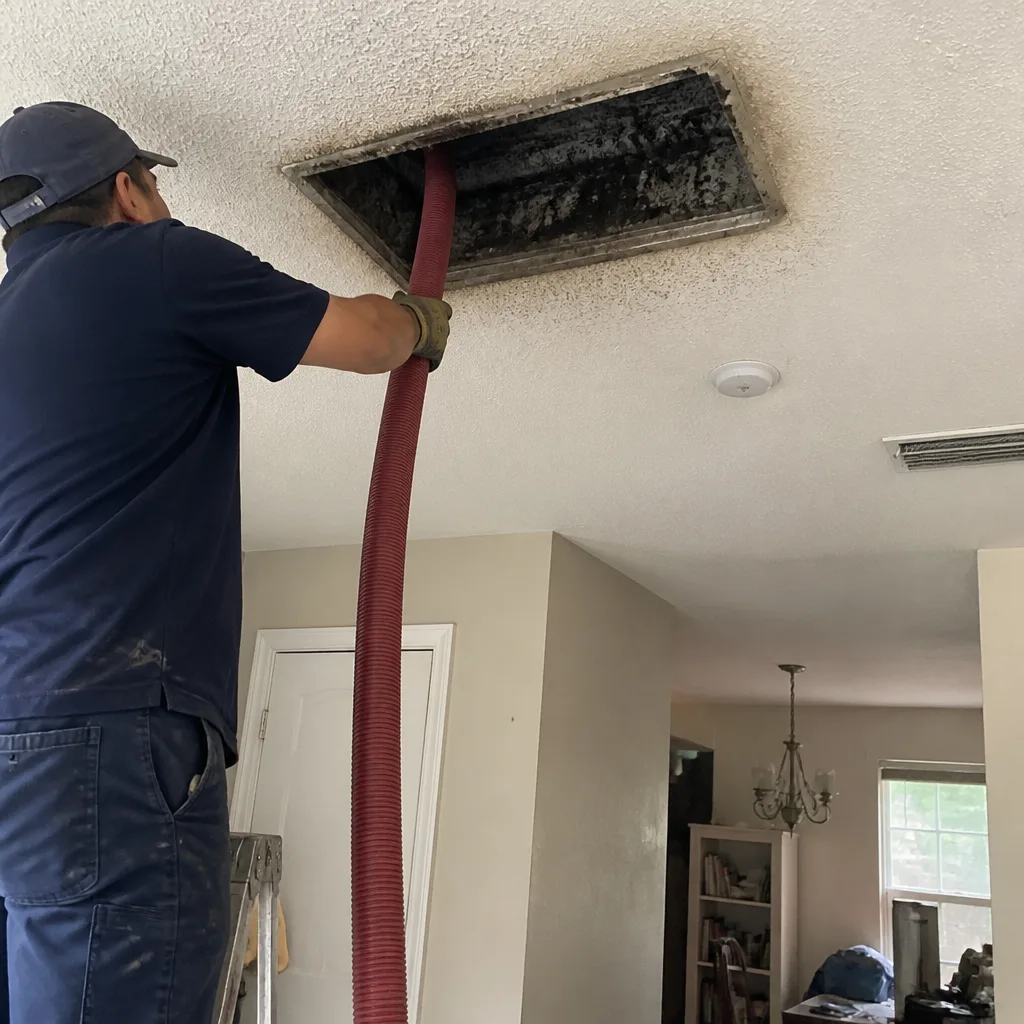 Before
 After
AfterReplacement Cost & What’s Included
For most Dallas homes, replacing a failed Honeywell vent sanitizing bulb runs between $340 and $680 installed, depending on which series you have and whether the ballast needs replacing too. A standalone bulb swap on a UV500 typically lands around $340 to $420. If the ballast is also dead, which is the case maybe a third of the time on units over four years old, the full job runs $520 to $680. You get the part, the labor, and a written price before we touch a single screw. That’s the Kingswell Guarantee and it applies to every job we do, including parts swaps.
What’s included: the replacement bulb or ballast, removal and disposal of the old component, a cleaning of the bulb socket and surrounding plenum surface, and verification that the new bulb is producing UV output at spec. We also check the unit’s wiring connections for heat damage, which is the usual reason a ballast dies early in Dallas attics where temperatures hit 130 degrees in August. The work is covered by our 365-Day Done Right Promise. If the replacement fails within a year, we come back and make it right at no charge. Written. Not a handshake.
DIY or Call Us?
Here’s the honest split. If the light is out and you’re reasonably handy, there is one thing you can safely check: the power. Confirm the outlet or switch feeding the unit still has power, and check whether the unit’s own power switch got bumped. Everything beyond that involves opening the duct housing, working around line voltage, and handling a UV-C bulb that can damage your eyes if it fires while you’re looking at it. We don’t hand out step-by-step instructions for this one. UV-C is the same wavelength that causes sunburn and eye damage, and a bulb that fires unexpectedly during installation is a real hazard. The housing is also live line voltage, not low-voltage thermostat wiring. This is a case where the service call is cheaper than the risk.
If you’re in Dallas and want to know whether it’s just the bulb or something deeper, call us at (361) 314-5449. We’ll tell you what we think over the phone, and if we come out, the written price lands in your hand before the tools come out of the bag. Clean ducts, clear price, nothing hidden in either one.
Key Takeaways
- Honeywell vent sanitizing failures are almost always the bulb, the ballast, or the power supply, and the fix is usually a one-trip job.
- Bulb and ballast are a matched pair on Honeywell systems. Mixing series means the bulb won’t fire.
- Installed cost in Dallas runs $340 to $680 depending on what failed.
- UV-C bulbs are an eye hazard and the housing carries line voltage. This is not a casual DIY job.
- Every job gets a written price first and a 365-Day Done Right Promise in writing.
FAQs
A Honeywell UV-C bulb is rated for about 9,000 to 12,000 hours of run time, which translates to roughly 12 to 18 months of continuous operation in a Dallas home where the system runs hard from May through October. Fewer hours if the unit is on the older UV100A series with an original ballast. After that window, the bulb still glows but the germicidal output has dropped below effective levels, so we recommend replacing it on a schedule rather than waiting for it to visibly fail. Call (361) 314-5449 and we’ll check your unit’s age and tell you where it stands.
Sometimes. If the ballast has failed, replacing the ballast is a repair and it’s usually worth doing if the housing and wiring are in good shape. If the bulb socket has heat damage or the housing is rusted through, which happens in older Dallas homes where attic condensation is a problem, you’re better off replacing the whole unit with a new UV500 series. We’ll tell you honestly which way to go and quote both options so you can decide with real numbers in front of you.
A straightforward bulb replacement takes about 45 minutes from arrival to cleanup. A ballast and bulb job runs closer to 90 minutes because we pull the housing, replace the wiring connections, and verify the UV output with a meter before we button it back up. You don’t need to be home for the entire job, but someone does need to be there to let us in. Call (361) 314-5449 for a time window that works.
We carry the common Honeywell UV500 bulbs, the UV100A replacement bulbs, and the matching ballasts on our trucks that run Dallas routes every week. If you have a less common configuration or a newer model that we need to order, we’ll tell you before we schedule the visit so there’s no surprise second trip. Most of the time, one visit is all it takes.
Written by Dale Whitmore, Owner, Kestrel Air Duct Dallas at Kestrel Air Duct Dallas, serving Dallas and nearby areas.