
Last updated October 15, 2026
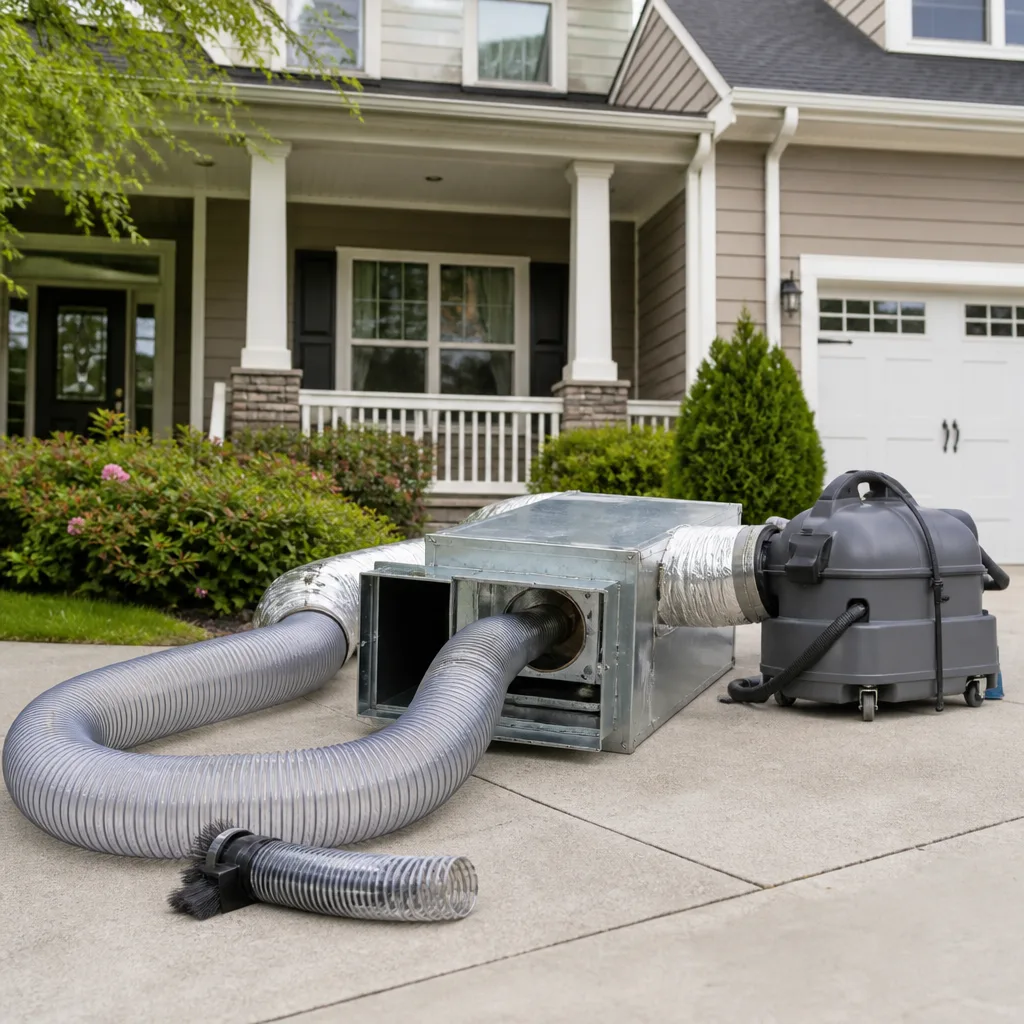 Whole-home duct cleaning
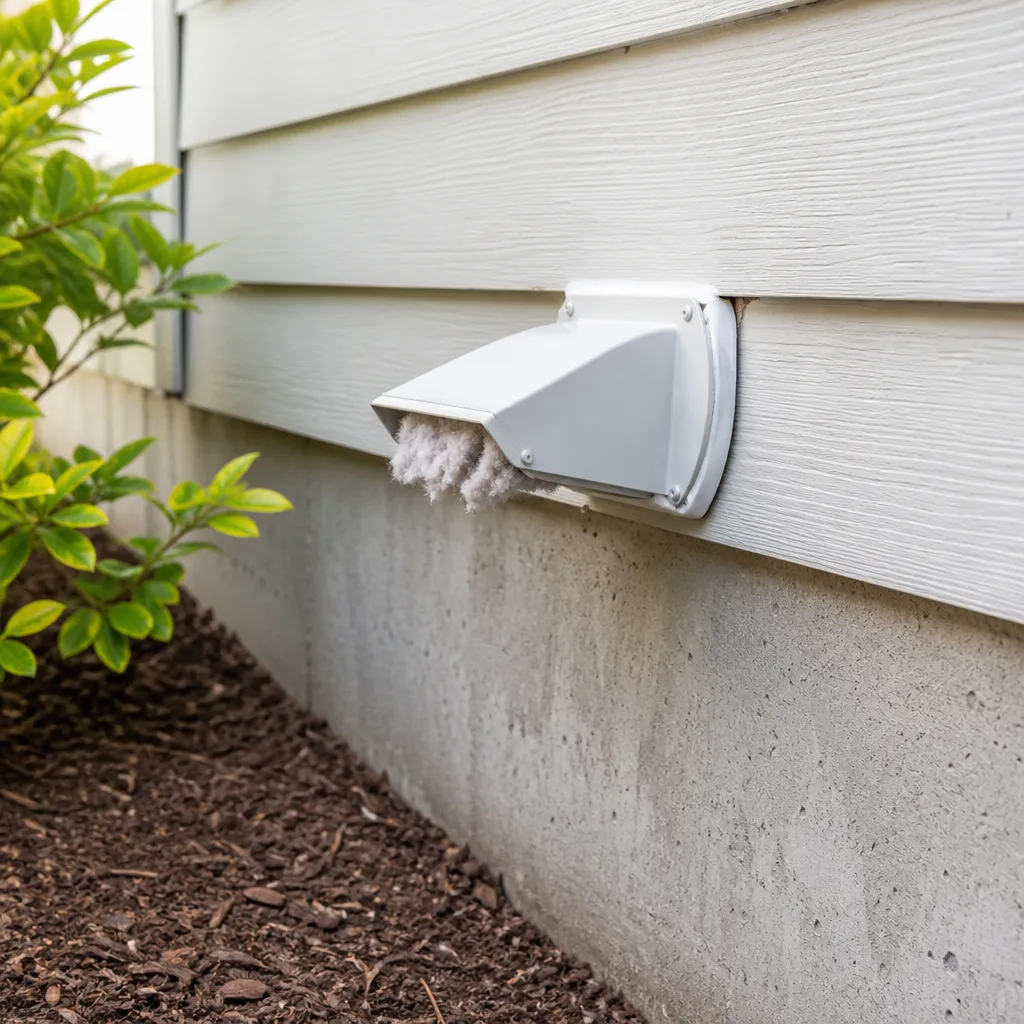 Dryer vent cleaning
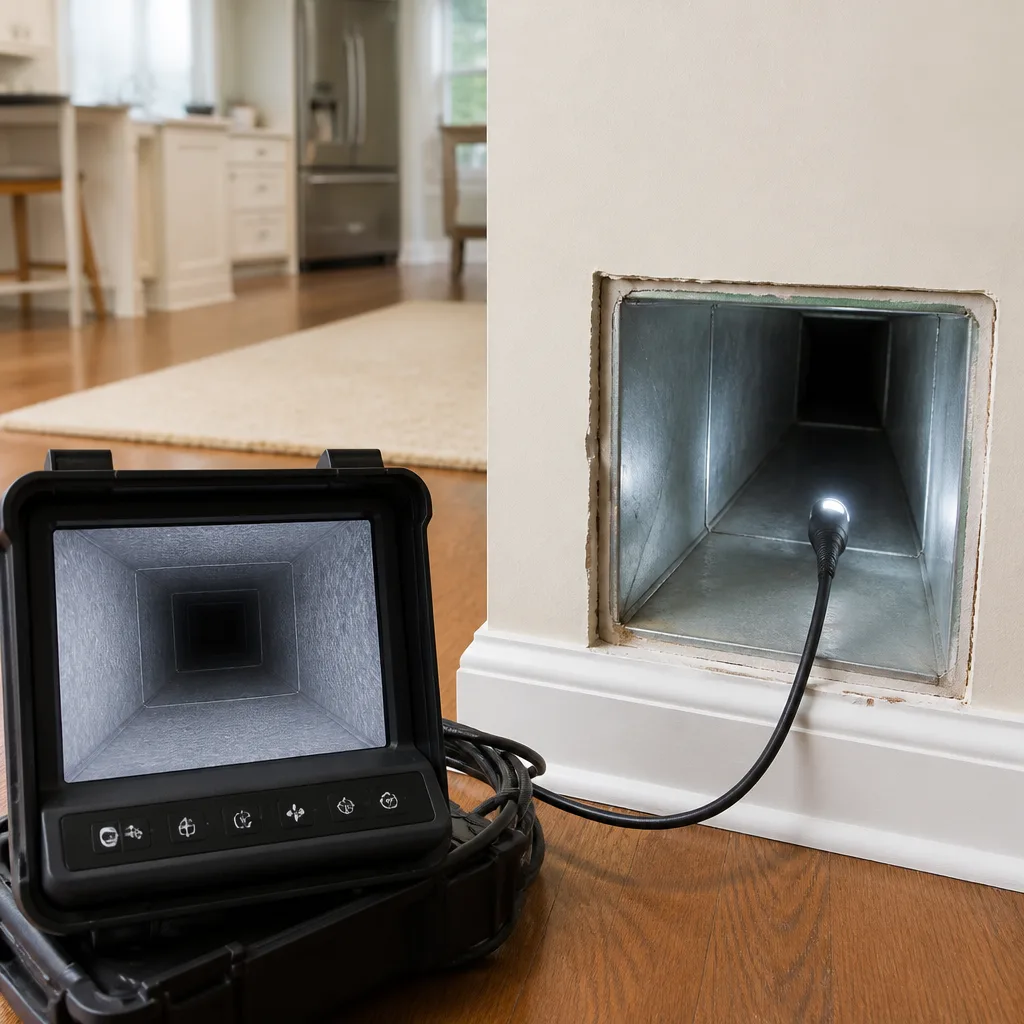 Camera inspection
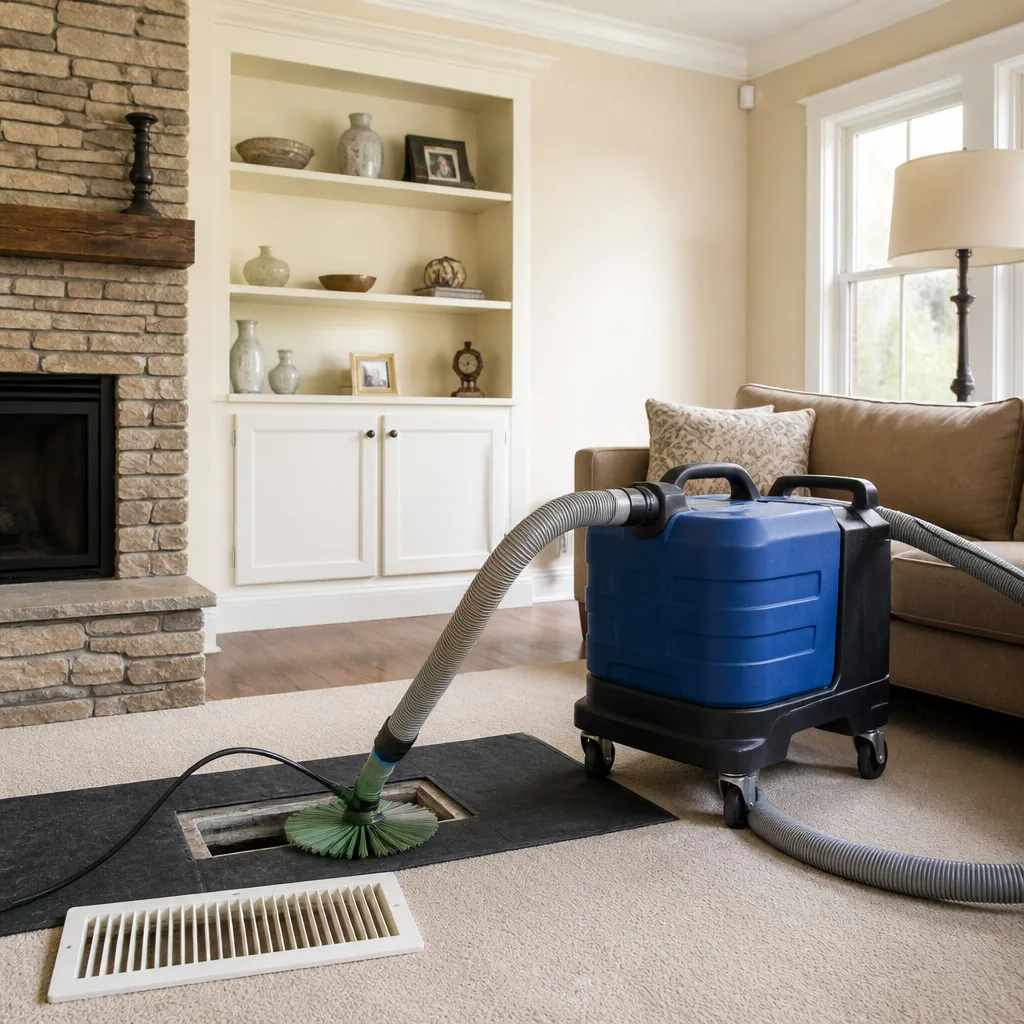 Sanitizing & deodorizing
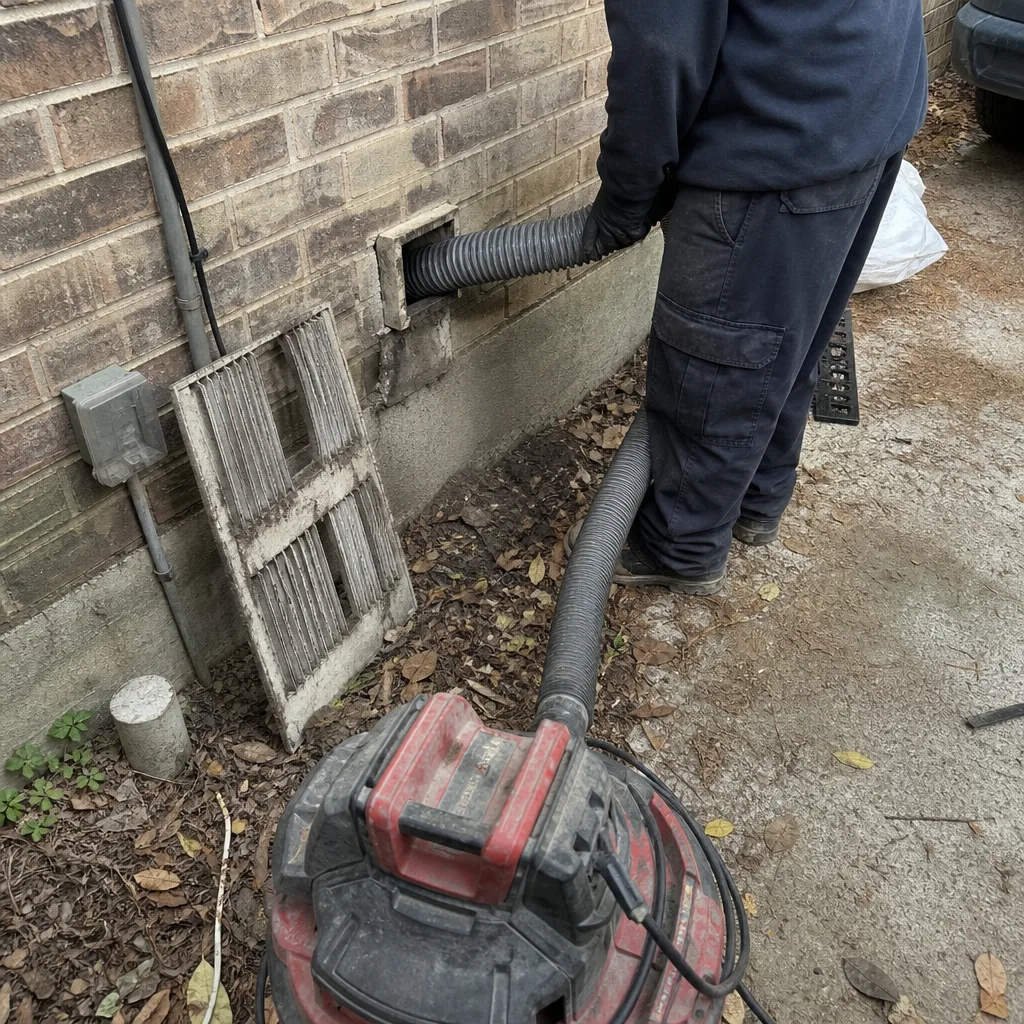
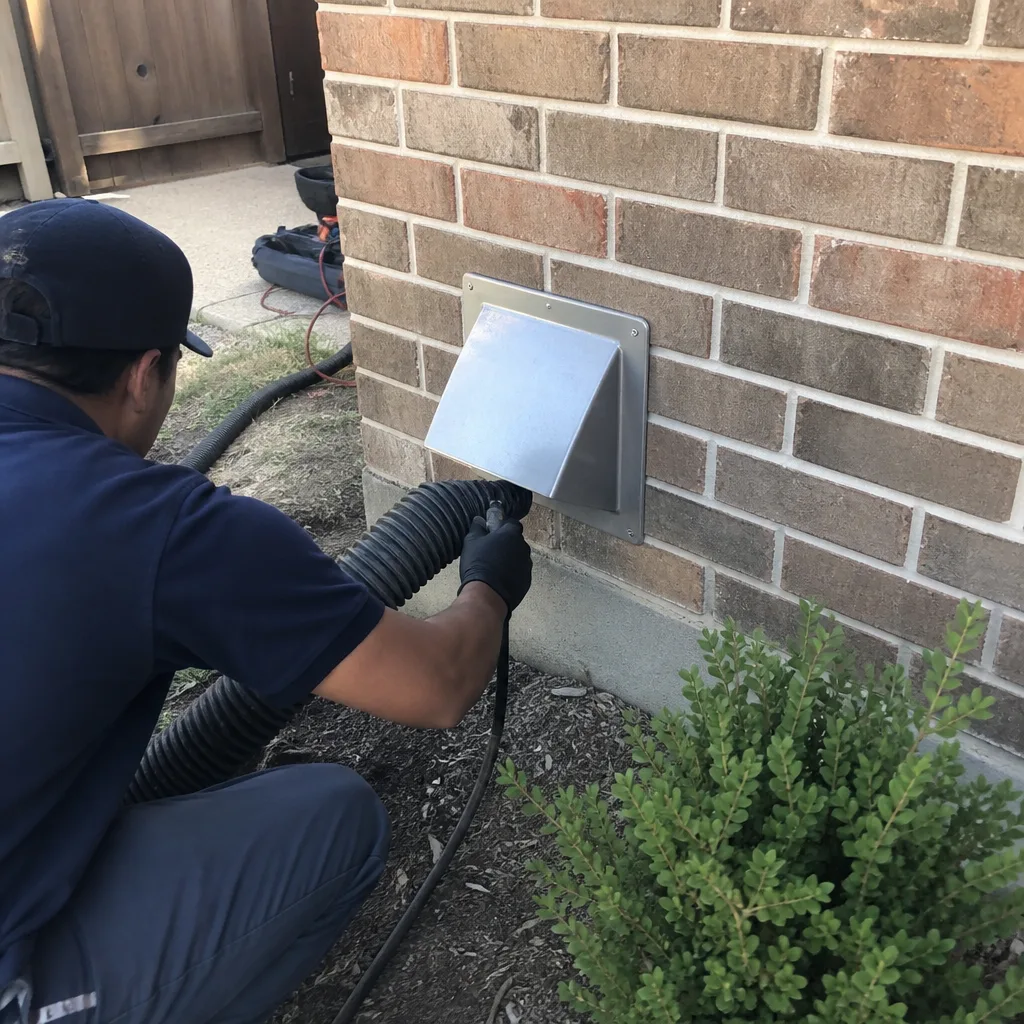
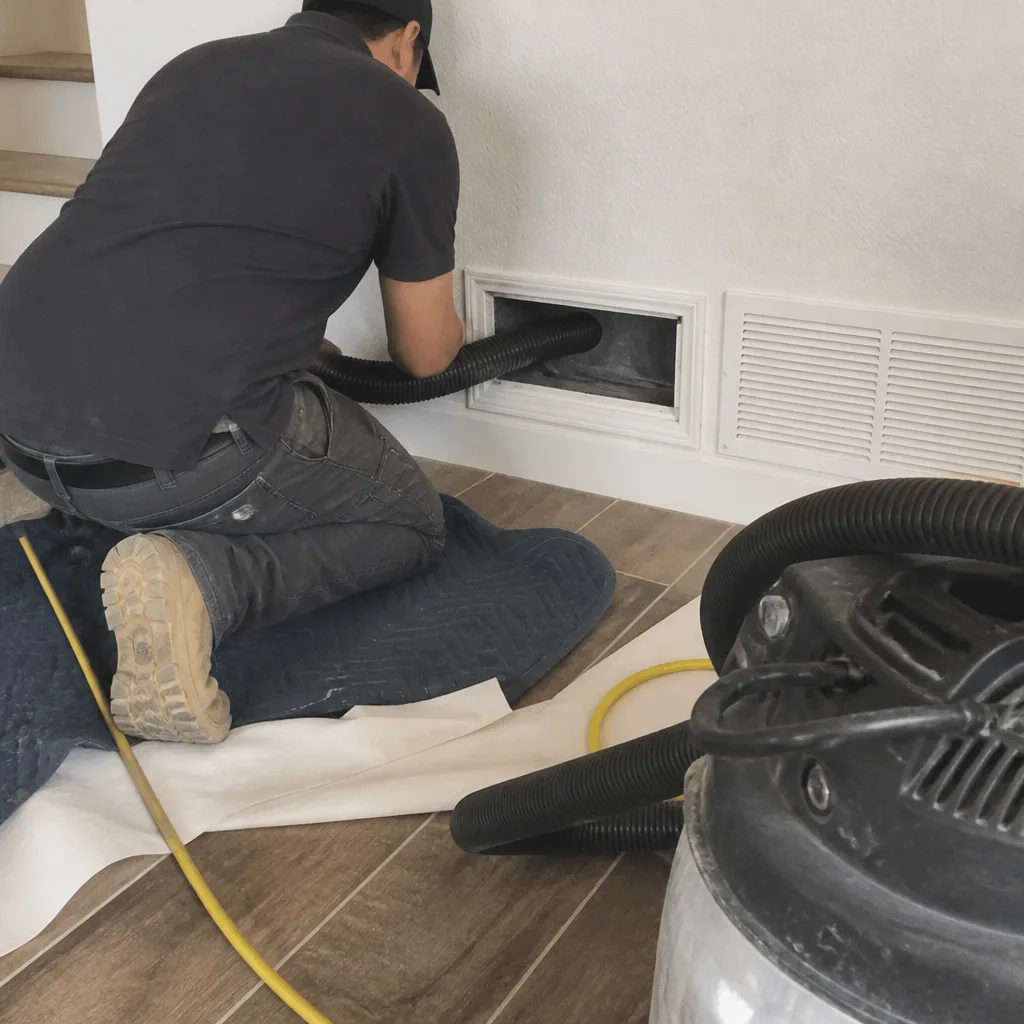
Whole-system duct and dryer vent check with before-and-after photos - you see exactly what came out of your vents
That "$99 whole-house special" is a bait ad - the real number appears once they are in your hallway, or the "clean" is a shop-vac at the register. We photograph the inside of your ducts before and after instead.
Air Duct Cleaning Warning Signs: A Dallas Homeowner’s Reference Guide
Most duct cleaning guides you’ll find online describe problems that have already been building for months, sometimes years. They talk about the mold you can already see, the dust you can already taste, the energy bills that have already doubled. This guide is different. We’re going to focus on the early signals, the ones you can catch during a normal Tuesday in your Dallas home: the smell that fades when the AC kicks on, the room that’s always five degrees warmer, the register that collects dust faster than it should. Because by the time a duct problem announces itself loudly, you’re not preventing anything. You’re paying for the cleanup. This reference guide will teach you to read the quiet signs first, using nothing but your eyes, your nose, and a few minutes of attention. We’ve built it specifically for Dallas homeowners, because our climate, our construction style, and our long cooling season create a specific set of conditions that you won’t read about on a national website.
Styles & brands we work with
Quick Answer
The earliest warning signs that your Dallas home needs Air Duct Cleaning services are: a recurring musty or dusty smell that fades shortly after the HVAC system starts running, visible dust accumulating at registers within days of cleaning them, uneven temperatures between rooms that persist despite a working thermostat, and an unexplained spike in your Oncor bill during a period when weather has been consistent. If you notice any two of these together, the duct system is the most likely culprit, and a professional inspection is the next logical step.
Table of Contents
- The Nose Test: What Different Smells Actually Mean
- Dust vs. Biofilm: How to Tell Them Apart With a Flashlight and a White Cloth
- Uneven Room Temperatures: The Duct Leak Signal Most Dallas Homes Miss
- The Oncor Bill Spike: What Consistent-Weather Increases Tell You
- The 30-Second Register Inspection You Can Do Right Now
- When to Schedule a Cleaning vs. When to Stop the System and Call Today
- Why Dallas Is Different: Climate, Construction, and Duct Reality
- What Proper Duct Cleaning Actually Looks Like
The Nose Test: What Different Smells Actually Mean
A musty smell that disappears 20 minutes after the AC kicks on isn’t a sign your nose is adjusting. It’s the duct system distributing a moisture or mold problem through the house, and the fact that it fades means you’re breathing it, not avoiding it. Your nose is the most underrated diagnostic tool you own, and in our experience across Dallas, it catches duct problems months before anything visible appears.
Here’s what different smell profiles actually indicate:
- Dry, dusty smell when the system first starts: This is the most common and least alarming profile. It’s accumulated dust and debris on the duct walls and in the return air plenum that gets stirred up when airflow begins. After 10 to 20 minutes, the larger particles settle and the smell fades. This signals a duct system that needs cleaning, but it’s not an emergency.
- Persistent musty, earthy, or wet-sock smell: This is moisture. Somewhere in the duct system – often in the evaporator coil drip pan, a poorly sealed return chase, or a section of flex duct in a humid attic or crawlspace – water is present, and microbial growth is active. This smell doesn’t fully fade. It may lessen as the air dries out, but it returns with the next cooling cycle. Dallas summers with their 80% humidity make this the most common serious warning sign we see.
- Sharp, acrid, or decomposition smell: If the odor suggests something died – and you’ll know it, because the smell is unmistakable – you likely have a rodent or bird that entered the duct system through a disconnected joint or damaged vent cap. This is a stop-and-call situation. The system is actively distributing decomposing organic matter through your living space.
- Oily or burning smell: This is not duct dirt. This is a mechanical issue – a blower motor running hot, a capacitor failing, or something similar. Turn the system off and call an HVAC professional, not a duct cleaner.
In Dallas, the nose test is especially reliable because our long cooling season means the system runs constantly, cycling through the same ductwork every 20 minutes from May through October. A smell that appears every time the system cycles is almost always duct-related, not a one-time event.
Dust vs. Biofilm: How to Tell Them Apart With a Flashlight and a White Cloth
Let’s get specific about what you’re looking at. The visual difference between normal dust accumulation at a register and biofilm or mold growth is something every homeowner can learn in about five minutes, and it matters more than almost anything else on this page. Normal dust is loose, dry, and gray-brown. Biofilm and mold are something else entirely, and they require different responses.
How to Check a Register
- Turn off the HVAC system. Let the air settle for 10 minutes.
- Remove the register cover. Most residential registers in Dallas are held in place by two screws or simply friction-fit. Set it aside.
- Shine a flashlight into the duct opening, angled across the internal surface rather than straight down. The angled light reveals texture and moisture that direct light hides.
- Take a clean white cloth or paper towel and wipe firmly along the inside of the duct wall, about two inches inside the opening.
- Look at the cloth and the duct interior.
Here’s how to read what you find:
- Dry, gray-brown powder on the cloth: This is normal household dust – skin cells, fabric fibers, dust mite debris, and fine soil tracked in from outside. It’s loose and dry. This means the ducts have accumulated debris and would benefit from professional cleaning, but it’s not an active health hazard.
- Dark, sticky, or greasy residue that smears when you wipe it: This is biofilm. It’s not dust. Biofilm forms when moisture and organic dust combine, creating a matrix where bacteria and mold can grow. It clings to surfaces and won’t wipe clean with a dry cloth. This is a health call.
- Black, green, or fuzzy growth visible on the duct surface: This is visible mold growth. Do not attempt to clean this yourself. Disturbing it releases spores into the air. This falls into the stop-and-call category described further down.
- Rust-colored staining or water marks on the duct interior: This indicates past or present moisture intrusion. Even if the area is dry now, the staining tells you the duct system has experienced conditions that encourage microbial growth.
We’ve found that Dallas homeowners are often surprised by how much accumulates in just a few years. Our climate produces more airborne dust than most – dry summers, construction activity, and long stretches without rain all contribute to heavier particle load. Every air duct cleaning in Dallas we perform starts with this same visual assessment, done at every register, so the homeowner sees what we see before any work begins.
Uneven Room Temperatures: The Duct Leak Signal Most Dallas Homes Miss
Start with this: a five-degree difference between rooms on the same floor is a red flag. Not a comfort preference. A red flag. In a properly sealed duct system, conditioned air reaches every register at roughly the same temperature and pressure. When one room is consistently warmer in summer or colder in winter than the rest of the house, the first thing Dallas homeowners tend to blame is the thermostat or the HVAC equipment. In our experience, the duct system is the more frequent culprit, and it’s usually leakage.
Here’s what’s happening mechanically. Dallas homes are commonly built on slab foundations with flex duct running through attics that regularly reach 130 degrees in July and August. Flex duct is inexpensive and quick to install, but it’s also the least durable option. Over time, the connections at branch boxes and register boots work loose, the outer jacket degrades, and small tears develop. Every tear and loose connection is a leak. Conditioned air that should be flowing into a bedroom is instead escaping into the attic, and hot attic air is being pulled into the return side through the same paths.
The result is exactly what you’d expect: the rooms farthest from the air handler get less conditioned air, and the system runs longer to compensate. The longer runtime dumps more moisture into the ducts, which creates the conditions for the biofilm and mold problems described above. Uneven temperatures are often the first domino in a chain that ends with a much larger repair bill.
What makes this tricky to diagnose is that a faulty thermostat or a failing blower motor can produce similar symptoms. But there’s a simple test: check the temperature at each register with a basic infrared thermometer, the kind that costs about $20 online. The temperature difference between the supply air at the register closest to the air handler and the one farthest away should be no more than 2 to 3 degrees. If it’s more, you have a duct leakage problem, and it needs to be found and sealed. This is the kind of finding that changes everything about how a system performs, and it’s the kind of thing the national chain companies never look for.
The Oncor Bill Spike: What Consistent-Weather Increases Tell You
Dallas residential electricity is billed by Oncor, and most Dallas homeowners have a general sense of their seasonal usage patterns. Summer bills rise. Winter bills fall. That’s normal. What is not normal is a significant month-over-month increase – 15% or more – during a period when the outdoor temperature has been roughly consistent. When that shows up on your Oncor bill, pay attention. It’s telling you the system is working harder to produce the same level of comfort, and duct leakage is one of the primary reasons that happens.
Duct leakage costs you in two ways, and both show up on the electricity bill. First, the conditioned air you’ve paid to cool is escaping into unconditioned space. Every cubic foot of air that leaks out of a duct into the attic is a cubic foot of air you paid to cool but never feel. Second, that leakage creates negative pressure in the living space, which pulls hot, humid outdoor air back into the house through gaps around windows, doors, and plumbing penetrations. The system senses the rising temperature and runs longer. The cycle feeds itself.
The Department of Energy estimates that typical residential duct systems lose 20 to 30 percent of conditioned air to leakage. That’s a national average. In Dallas, where attics routinely hit 130 degrees in August and duct runs are often 40 feet or longer, the number is frequently higher. The issue is so significant that the Texas energy efficiency community has been documenting duct leakage in existing homes for years, and it’s not improving on its own. A duct system that leaks is not going to seal itself. The joints don’t tighten. The duct tape doesn’t heal.
If you’ve seen a bill spike you can’t explain, and you’ve ruled out a rate change or a billing error, the duct system is the next place to look. A professional inspection that measures duct leakage and inspects the visible sections of ductwork can often pinpoint the problem in under an hour. It’s a diagnostic step that pays for itself, usually within the first cooling season.
The 30-Second Register Inspection You Can Do Right Now
Before we go further, here’s something you can do immediately, with no tools beyond a flashlight and a willingness to get on a step stool. The goal is to catch problems at the stage where they’re still easy to fix, not after they’ve compounded.
- Look at the register face. Is there a visible gray blur or darkening around the slats? That’s not normal. It’s airborne dust that’s being blown out, then pulled back in as the room air recirculates. A register that demands a weekly wipe-down is a duct system that’s distributing accumulated debris.
- Look at the wall or ceiling around the register. Are there faint gray streaks or a ghosting pattern trailing away from the register on the drywall? That’s particles too small to see individually, but heavy enough to deposit visibly on surfaces. It’s the same dust that ends up on your furniture, but concentrated at the airflow point.
- Shine a flashlight inside the register. Can you see the duct wall? Is it coated in a layer of fuzz or crust? Does the fuzz move when you wave your hand? Accumulated debris that shifts with air movement is loose and cleanable. Debris that’s crusted onto the duct wall is a sign of moisture, which means microbial activity may be present.
- Check the return register. This is the large grille, usually in a hallway or central location, that pulls air back to the system. In most Dallas homes, the return side of the system is dirtier than the supply side, because it handles unfiltered air that’s already circulated through the house. A return that’s visibly caked with dust means the duct system behind it is likely worse.
Run this check on three or four registers throughout the house: one near the air handler, one in a bedroom, one in a living area, and the return. You now have a baseline. If you see significant variation – one register caked, another clean – that tells you the problem is local, not systemic. If every register looks similar, the entire duct system has accumulated debris. Both are useful findings.
We use professional-grade inspection cameras to see deep into duct runs that no flashlight can reach, but the homeowner-level check described here catches the majority of problems worth knowing about. It’s the same first step any technician at Kestrel Air Duct Dallas home would take on a service call.
When to Schedule a Cleaning vs. When to Stop the System and Call Today
Not every warning sign is an emergency. Some mean schedule a cleaning at your convenience. Others mean shut it down this afternoon. Here is the decision tree we use with our Dallas customers, with specific thresholds you can recognize without any expertise:
Schedule a professional duct cleaning when:
- The dry, dusty smell appears when the system starts and fades within 20 minutes. This is accumulated dust and debris. It’s not an urgent health issue, but it’s reducing your air quality and system efficiency. A thorough cleaning with proper equipment will resolve it.
- You see visible dust accumulation at registers within a week of cleaning them. The ducts are the source. Cleaning the register face is treating the symptom, not the cause.
- Room temperatures vary by 3 to 5 degrees with no corresponding thermostat issue. Duct leakage is the most likely cause. A cleaning and inspection can identify and address it.
- The last cleaning was more than four years ago, and you have pets, carpet, or live near construction. In Dallas, with our dust load, even a well-maintained system accumulates significant debris in that timeframe.
- You’ve never had the ducts cleaned since you bought the home. Unless you have documentation, assume they haven’t been done. Most Dallas homes we inspect have never had a professional duct cleaning.
Stop running the system and call today when:
- The musty, wet-sock smell doesn’t fade when the system runs. Active microbial growth in the ducts is being distributed through the house. Continued operation spreads the problem.
- There is visible mold growth inside the duct or on the register interior. This is a health intervention, not a maintenance task. Shut the system off to stop spore distribution.
- You smell decomposition. A small animal has died in the duct system. The material needs to be removed, the area disinfected, and the entry point identified and sealed – all of which requires stopping the system first.
- Dark, sticky residue appears on a white-cloth wipe of the duct interior. Biofilm is actively developing. It indicates consistent moisture, which means a source problem – a drain pan, a roof leak, a disconnected exhaust – that must be found and fixed alongside the cleaning.
- Anyone in the home has unexplained respiratory symptoms that improve when they leave the house. This is not a coincidence. The EPA has documented the connection between poor indoor air quality and respiratory health, and duct contamination is a primary source. The system should be shut down and assessed.
If your situation falls into the first category, you have time to schedule properly, get a written price, and plan the work. If it falls into the second, do not wait. The system is actively working against you, and every cycle makes the problem larger and the remediation more invasive.
Why Dallas Is Different: Climate, Construction, and Duct Reality
Here’s the thing about the generic duct cleaning articles you’ll find online: they’re written for a national audience, which means they’re written for no audience in particular. For more guides & resources tailored to your area, look for locally-focused content. A homeowner in Seattle doesn’t deal with the same duct conditions as a homeowner in Dallas. Our climate, our construction practices, and our seasonal patterns create a specific environment that demands a specific understanding.
Think about what a Dallas duct system endures every year. From May through September, the system runs nearly constantly, cycling on and off 30 to 40 times a day. The attic temperature during that period routinely exceeds 120 degrees, which means the duct exterior is baking while the interior is cooled. That’s thermal stress. The material expands and contracts daily. The joints and connections flex. Then, when the temperature finally drops in October, the system gets a brief rest before heating season begins, and the same flex-duct runs now carry heated air through a cold attic. The cycle repeats. Over time, what started as a properly sealed system becomes a series of small leaks and gaps, which then pull in the hot, humid attic air during cooling season and the cold, dry air during heating season. The dust in the attic – and Dallas attics are dusty places – flows in through the same gaps.
The pollen and outdoor air quality are factors too. Dallas sits in a region with significant seasonal pollen counts, and the fine particles from cars, construction, and the extended dry periods all find their way into homes. The air filter catches a portion of it, but the particles that bypass the filter – through gaps around the filter frame, through duct leaks, or through infiltration around doors and windows – end up in the duct system, where they accumulate with everything else. A Dallas duct system that hasn’t been cleaned in five years is likely carrying a measurable layer of particulates, regardless of how clean the home itself may be.
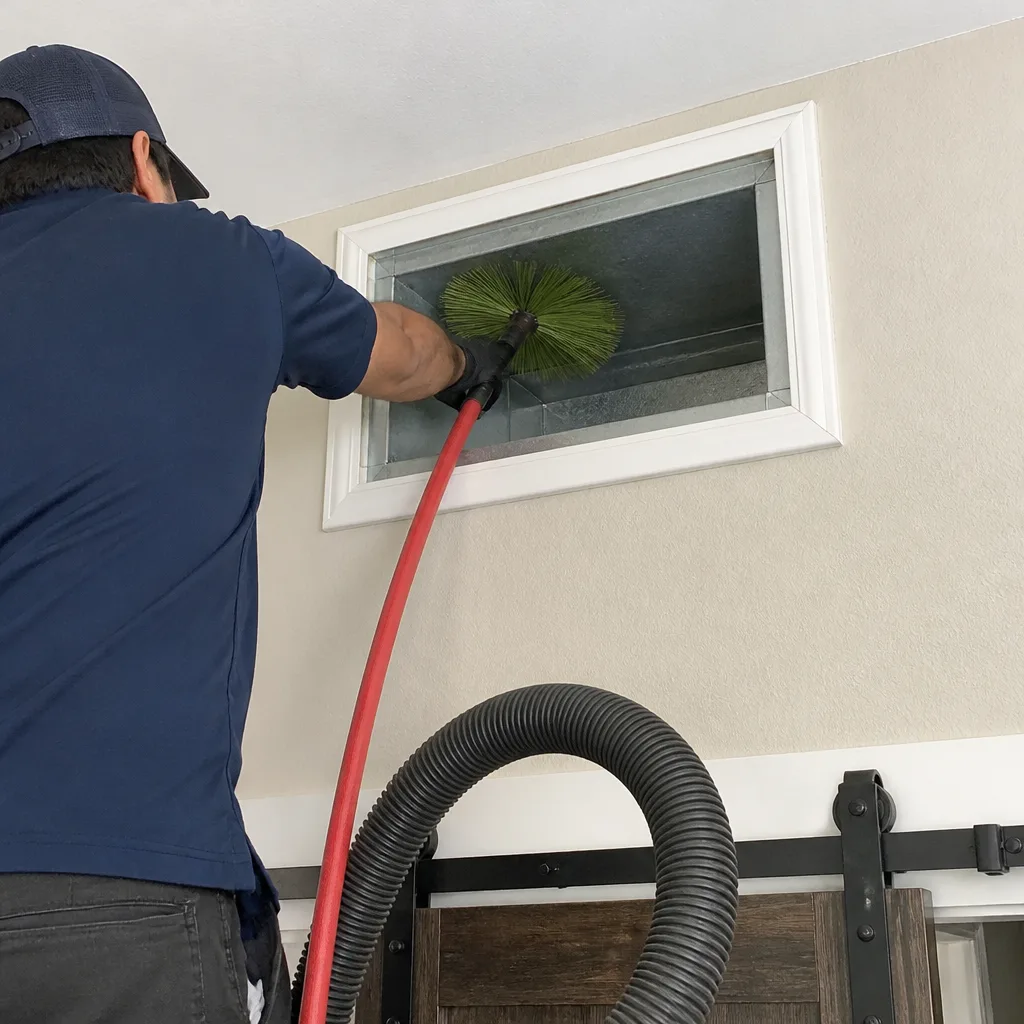
This is not a problem that solves itself. Professional-grade equipment is required to actually remove the accumulation rather than redistribute it. Rotobrush rotary brush systems dislodge debris at the duct wall, breaking the layer loose from the surface. Nikro negative-pressure units pull contaminants out of the system. Abatement Technologies HEPA filtration keeps loosened particles out of the living space during cleaning. The combination is what actually removes the problem, rather than knocking it looser and calling it done. It’s what we use on every job, because the Dallas dust load demands it.
What Proper Duct Cleaning Actually Looks Like
When the day comes to have the work done, you should know what to expect from a professional job, because the range of quality in this industry is wide, and Dallas homes deserve better than a box-store service. Proper duct cleaning is a mechanical process that addresses the entire system, not a cosmetic treatment at the registers.
We follow the same sequence on every job, and we explain it to the homeowner before we start. First, the technician walks the system – every register, every return, the air handler, the filter, the visible duct runs. This diagnostic walk identifies problems the homeowner may not have noticed. Second, each register and return is sealed off, and the duct system is connected to a negative-pressure unit. Negative-air extraction means the system is placed under vacuum, so that when debris is dislodged, it’s pulled out of the house rather than blown into it. Third, a rotary brush is run through the duct runs, dislodging the accumulated layer from the interior surfaces. Brush agitation is the mechanical loosening that separates debris from the duct wall. Four, the loosened debris is pulled out by the negative-pressure system and captured. Five, the accessible components – registers, grilles, boots – are cleaned and wiped down. Six, the system is reassembled and tested. The homeowner walks the job with the technician to confirm the work. The price was agreed in writing before any of this started.
We hear from Dallas homeowners who had a bad experience with a previous cleaning. The most common complaints are predictable: a team of two showed up with a shop vac and spent 45 minutes, the price on the invoice was different from the price on the phone, and the dust came back within months. There’s a reason we explain the equipment and the process by name. It lets you verify that the work is real. It lets you ask the right questions before you schedule. And it gives you a standard to hold the work to afterward.
We back the work with a 365-Day Done Right Promise. If it’s not done right, we make it right. The guarantee is in writing, on every job, with the specific terms spelled out. No fine print, no exclusions beyond what’s reasonable. If the work falls short within the guarantee period, we return and make it right at no charge. That’s the standard in writing, not a verbal promise.
The Kingswell Way – the code our technicians operate under – includes four commitments on every visit: a written price before work begins, a defined arrival window, a clean job site when we leave, and a written guarantee on the work. We mention it by name because it’s a specific standard, not a generic marketing claim. The background-checked, uniformed technicians who walk into your Dallas home carry the same code, and they’re held to it by the company that writes their check. That’s accountability with a name.
For homeowners who want to maintain clean air between service visits, we recommend filtration products like Honeywell or Aprilaire. The right filtration upgrade can dramatically extend the time between duct cleanings, especially in Dallas with our dusty climate, by capturing particles before they enter the duct system at all. It’s not a replacement for periodic cleaning, but it’s a meaningful complement for people who care about indoor air quality.
Common Mistakes to Avoid
- Assuming a new home has clean ducts. Construction debris – drywall dust, sawdust, even food wrappers – is routinely left in duct systems during construction. New home, in fact, often means dirtier ducts, not cleaner. Always verify before assuming.
- Checking the filter and calling it good. The filter is one component in a system. A clean filter tells you the filter is doing its job. It tells you nothing about what’s happening downstream in the ductwork.
- Ignoring a smell that fades. The fading is not the problem resolving. It’s the problem being distributed through the house. A musty smell that disappears after 20 minutes is a duct issue, not a nose acclimation issue.
- Hiring on price alone. The cheapest bid in Dallas is almost always a shop-vac job that will need to be redone within 18 months. A written price before work begins and a written guarantee on the work are worth more than a low number on the phone.
- Closing registers in unused rooms. This is a common Dallas homeowner habit that damages systems. Closing registers increases static pressure in the ductwork, forcing air through the remaining openings at higher velocity, which accelerates debris accumulation in the open branches and can contribute to duct leakage.
- Running the system during a renovation without sealing the returns. Drywall dust, paint overspray, and construction debris get pulled into the return system and distributed throughout the house. If you’re doing renovation work in Dallas, seal the returns with plastic or shut the system down while sanding and cutting work happens.
- Waiting until a warning sign becomes a symptom. The whole point of this guide is that early detection saves money. A dusty register is a warning sign. A musty smell is a warning sign. A room that’s five degrees warmer is a warning sign. Each one, caught early, is a cleaning. Caught late, it’s a remediation.
When to Call a Professional
If any of the warning signs described in this guide are present in your home – a persistent musty smell, visible mold growth inside a duct, a white-cloth wipe that comes back with dark sticky residue, a decomposition smell, or room temperature variations of 5 degrees or more – the next step is a professional inspection. See The Complete Guide to Air Duct Cleaning in Dallas for deeper context on what the inspection should cover. These are not conditions that resolve on their own, and the longer they persist, the more extensive the remediation becomes. If the smell profile suggests active microbial growth or decomposition, stop running the system until it’s been assessed. If the signs point to accumulation and leakage, schedule an inspection at your convenience, but don’t put it off indefinitely – Dallas dust doesn’t strike a truce. Kestrel Air Duct Dallas offers free estimates in Dallas – call (361) 314-5449.
Frequently Asked Questions
Most whole-home duct cleanings in Dallas run between $350 and $650 for an average three-to-four-bedroom house, depending on system size, number of returns, and the level of contamination. We provide a written price before any work begins, so the number you agree to is the number you pay. Call (361) 314-5449 for an exact quote – estimates are free.
Ask to see the system before and after. We show homeowners the duct interior with inspection cameras at the start of the job and again when the work is complete, so you’re not taking anyone’s word for it. The before-and-after difference is visible, and we encourage you to walk the job with the technician before the work is signed off. That’s the standard that separates real cleaning from a 45-minute shop-vac visit.
Because they’re pricing a different job. A $99 duct cleaning is almost always a per-register come-in, and the final invoice ends up higher than a straightforward whole-system price. Some operators advertise a low number, then “discover” problems once they’re in the house and revise the price upward. A legitimate duct cleaning in Dallas costs what it costs because the equipment and labor are real. We give one written price before work starts, and we hold to it.
In Dallas, with our dust load, long cooling season, and attic-temperature stress, most homes need a professional cleaning every three to four years. Homes with pets, multiple occupants, or construction nearby may need it more often. If you’ve upgraded to a Honeywell or Aprilaire filtration system, that interval can stretch meaningfully, because the filter captures particles before they enter the duct system. Call (361) 314-5449 if you’re unsure where your home falls.
You cannot reach the duct interior with household equipment, and attempting to do so risks damaging flex duct, which is fragile and easily torn. This is not a DIY job. Read DIY vs Professional Air Duct Cleaning: The Dallas Homeowner’s Decision Guide for a full breakdown. Professional cleaning uses negative-pressure extraction and rotary brush agitation to remove debris from the entire system, and the equipment is not something you can rent at a hardware store. The most useful thing you can do yourself is the inspection described in this guide – knowing what to look for is half the battle.
They’re different systems and different problems. Air duct cleaning addresses the HVAC distribution system – the supply and return ducts that carry heated and cooled air through the house. Dryer vent cleaning in Dallas addresses the exhaust duct that carries hot, lint-laden air from the clothes dryer to the exterior. Both accumulate debris over time, and both are safety and efficiency issues, but they require different procedures and different equipment. We offer both services under the same written guarantee.
The Bottom Line
Your duct system touches every room in your Dallas home and every breath you take inside it. The warning signs are there before the problem becomes expensive or unhealthy – a smell that fades, a register that keeps needing wiping, a room that never quite cools, an Oncor bill that keeps climbing. This guide exists so you can catch those signals early, in the stage where the fix is a cleaning and not a remediation. If you’ve found one of those signals in your home, the next step is a professional inspection. If you’ve found two, make the call this week. The problem is not going to announce itself more clearly, and the Dallas summer is not going to get gentler.
Dale Whitmore leads Kestrel Air Duct Dallas, bringing over two decades of hands-on experience to every inspection, and he still walks the larger jobs personally. The company operates under the Kingswell Guarantee – a written price before work begins, a defined arrival window, a clean job site, and the 365-Day Done Right Promise in writing on every job. The phone is answered by a live person, any time of day, at (361) 314-5449. Call for a free estimate, and know before the van arrives what the work will cost. That’s the way it should work.
Written by Dale Whitmore, Owner at Kestrel Air Duct Dallas, serving Dallas since 2004.
See the difference
 Before
 After
After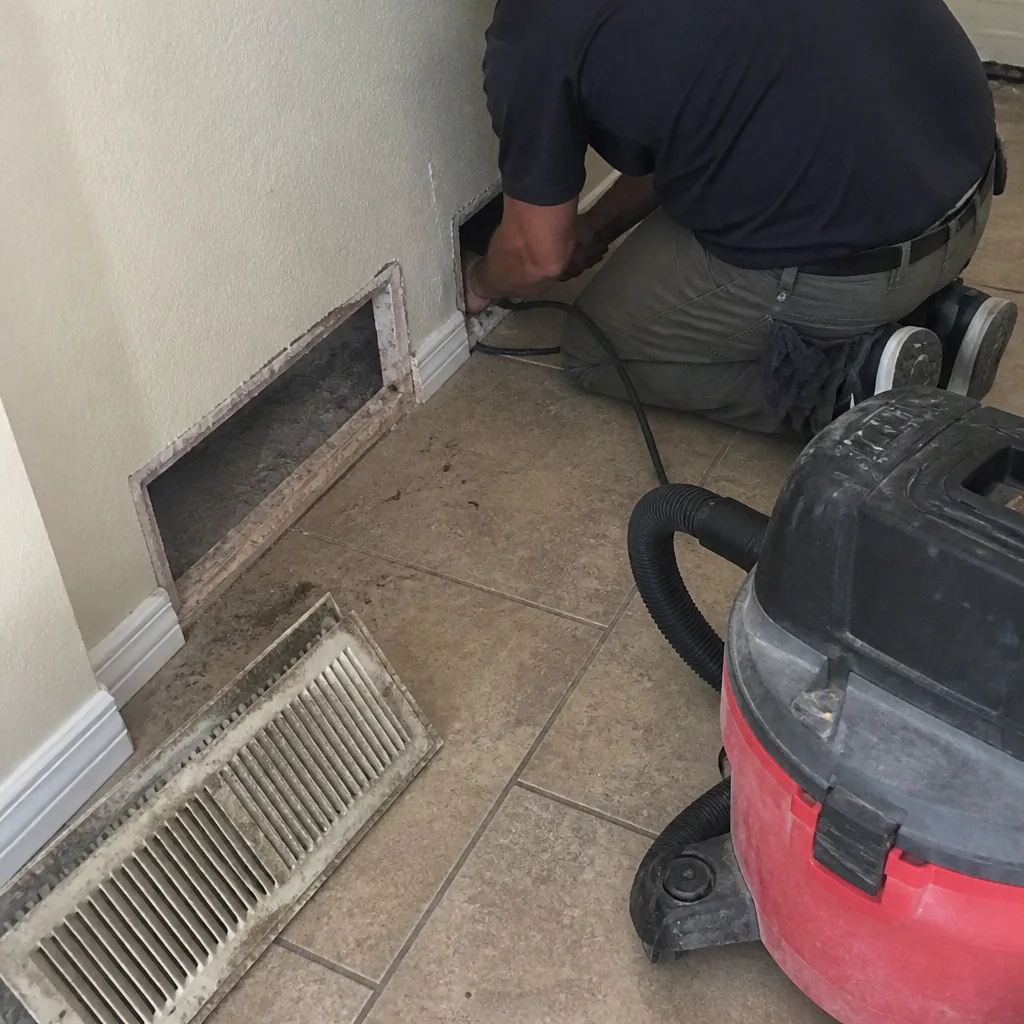 Before
 After
After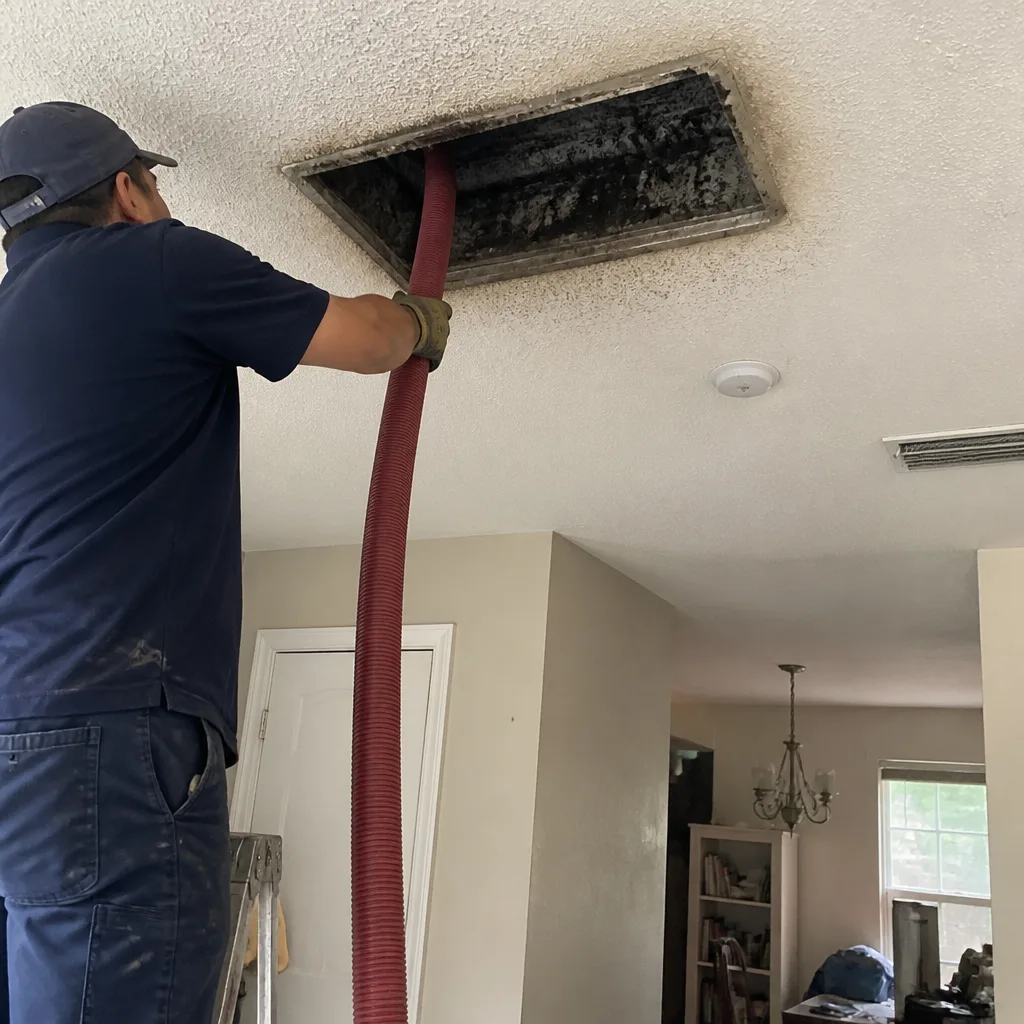 Before
 After
After