
Last updated October 15, 2026
 Whole-home duct cleaning
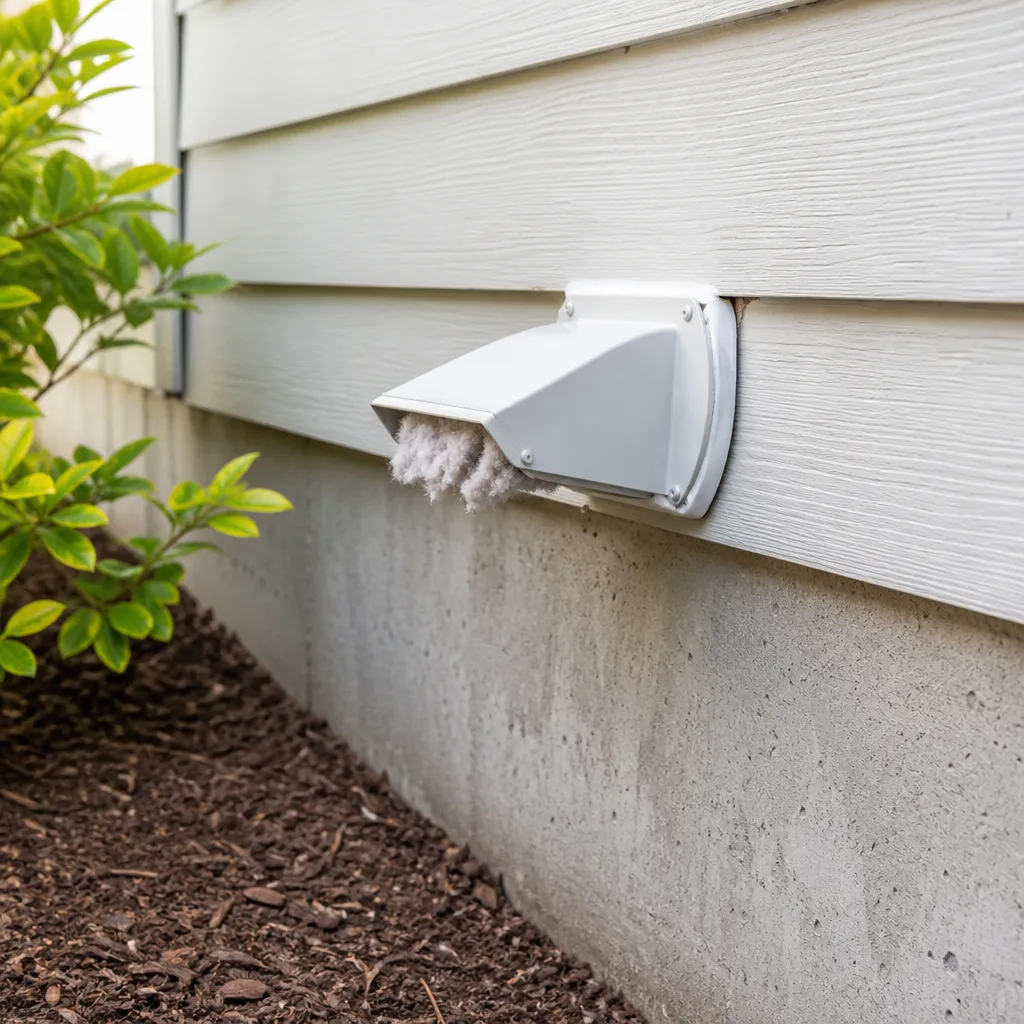 Dryer vent cleaning
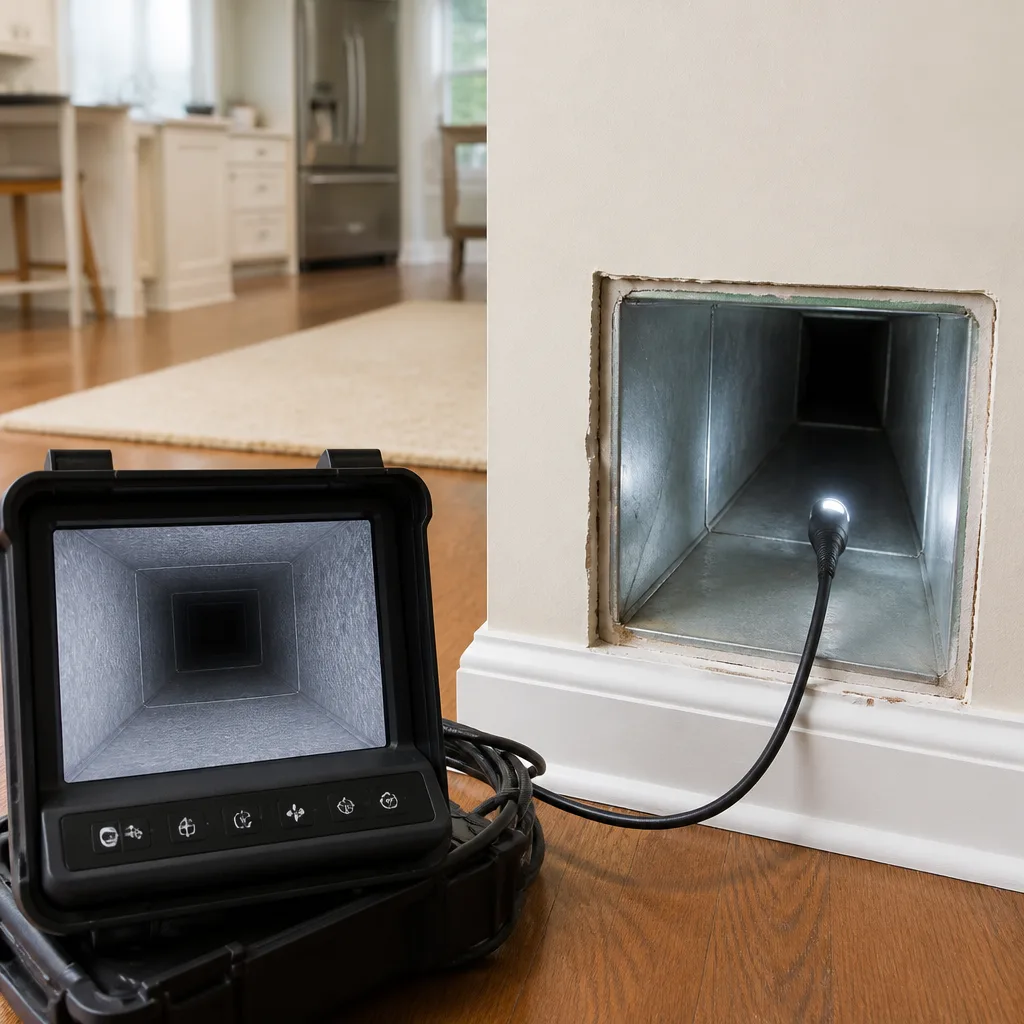 Camera inspection
 Sanitizing & deodorizing
Whole-system duct and dryer vent check with before-and-after photos - you see exactly what came out of your vents
That "$99 whole-house special" is a bait ad - the real number appears once they are in your hallway, or the "clean" is a shop-vac at the register. We photograph the inside of your ducts before and after instead.
Seasonal Air Duct Cleaning Care for Dallas: Year-Round Homeowner’s Guide
Dallas doesn’t have four seasons so much as two hard seasons with brief gaps between them. Your HVAC system knows this better than any calendar. From June through September it runs nearly nonstop against 100-degree heat, and from December through February it cycles through cold snaps that push heat through the same ductwork. What most homeowners miss is that the only practical windows for duct service sit in those narrow gaps: March to April and October to November. This guide lays out what actually happens in your ducts across a Dallas year, when service makes sense, and how to time it so you’re never opening a system at peak load. For more guides & resources, see our blog.
Styles & brands we work with
Quick Answer
In Dallas, the best times for our Air Duct Cleaning services are the shoulder seasons, roughly March through April and October through November, when temperatures are mild, humidity is moderate, and your HVAC system isn’t running at full load. Scheduling during these windows means the system can be cleaned and fully dried before the next high-demand period begins. Summer and winter cleanings are possible but come with real drawbacks: peak runtime, high attic heat, and moisture risks that make the job harder and less effective.
Table of Contents
- Why Dallas Climate Makes Duct Timing Different
- The Spring Window: March Through April
- Summer Stress: What 140°F Attics Do to Ductwork
- Cedar Fever Season: December Through February
- The Fall Window: October Through November
- Winter Service: When It Makes Sense and When It Doesn’t
- The Four-Entry Annual Log for Dallas Homeowners
- Signs of Heat Damage That Cleaning Alone Won’t Fix
- Common Mistakes to Avoid
- When to Call a Professional
- Frequently Asked Questions
- The Bottom Line
Why Dallas Climate Makes Duct Timing Different
Dallas sits in a humid subtropical zone, which sounds mild until you live through it. Summer daytime highs routinely top 95°F from June through September, and the humidity makes the air feel heavier than the temperature suggests. Winter brings sharp cold fronts that drop temperatures 30 degrees in a day. Spring is short and stormy. Fall is shorter still, sometimes lasting only six weeks before the first real cold snap arrives.
What this means for your ducts is straightforward: the system spends most of the year under load. The blower pushes conditioned air through the same return and supply runs hour after hour, and every cycle pulls in whatever is floating in your home’s air. Dust, pet dander, cooking residue, and the fine clay soil that blows in from Texas construction sites all collect on duct walls and in the return plenum. The question isn’t whether buildup happens, it’s when you can address it without fighting the weather.
In our experience across Dallas, the practical service calendar breaks down like this. The two true cleaning windows are March through April and October through November. The rest of the year, you’re working around either peak cooling demand or peak heating demand. That doesn’t mean off-season cleaning is impossible. It means the job is harder, the drying time is longer, and the results don’t last as long before new debris starts accumulating.
One more factor specific to this region: construction. Dallas and its northern suburbs have been in a near-constant building boom for two decades. That fine gypsum dust and clay particulate finds its way into homes, especially in neighborhoods with active teardown and rebuild activity. If you live near ongoing construction in areas like Lake Highlands, Preston Hollow, or Far North Dallas, your ducts are collecting more than the typical household load.
The Spring Window: March Through April
March and April are the first real service window of the year in Dallas, and for many homes it’s the better of the two. By March, the worst cold snaps have usually passed, but the sustained summer heat hasn’t arrived. Ambient temperatures sit in the 60s and 70s, and that matters for one practical reason: the system isn’t running constantly, so a technician can open the air handler and clean the return and supply runs without the blower cycling on mid-job.
There’s another reason spring matters here specifically: spring storms. Dallas gets some of its most violent weather between March and May. Rapid pressure changes, high winds, and hail don’t just threaten roofs. They can loosen duct connections, especially in older homes where the original metal tape or mastic has dried and cracked over years of attic-heat exposure. A spring cleaning gives a technician a chance to spot those loose joints before the first 100-degree day forces the system to work against leaks.
Spring is also when pollen counts in Dallas spike. Live oak, cedar elm, and hackberry pollen blanket cars and patios from late March through April. A portion of that pollen works its way into homes through doors, windows, and the fresh-air intake. If your ducts haven’t been cleaned in years, that pollen finds a resting place in the return plenum and supply registers, where it recirculates every time the fan kicks on.
Here’s what a spring service should include, based on how we approach Air Duct Cleaning in Dallas:
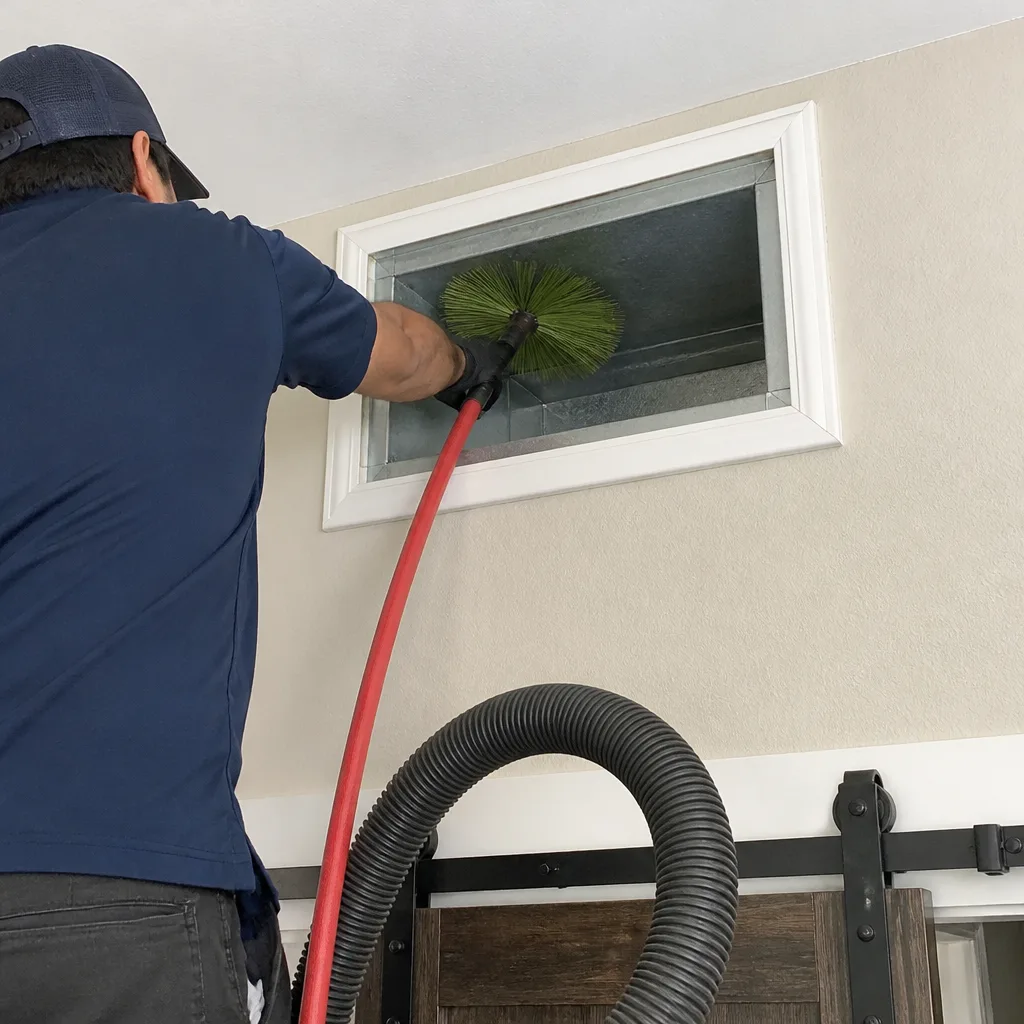
- Full negative-air extraction: a Nikro negative-pressure unit pulls air through the duct system while brush agitation dislodges debris, so loosened particles leave the house rather than resettling in your living room.
- Return plenum inspection: the box where return air enters the blower collects more dust than any other single point in the system.
- Register and grille cleaning: supply and return covers trap dust at the edges, and a thorough job cleans them on both sides.
- Visual inspection of accessible duct runs: checking for loose connections, crushed flex duct, or signs of moisture before they become bigger problems.
One caution about spring scheduling in Dallas: don’t wait until late May. Once daytime highs hit 90 consistently, the system starts cycling frequently again, and the attic temperature climbs fast. The window closes quickly.
Summer Stress: What 140°F Attics Do to Ductwork
Dallas attics in July and August are brutal environments. We regularly measure attic temperatures above 140°F during the hottest weeks, and that heat does real damage to ductwork over time. The flexible duct runs common in Dallas homes, typically insulated tubes with a plastic liner inside, degrade faster under sustained heat than they would in a cooler attic. The liner becomes brittle, the outer insulation compresses, and the connections at plenum boxes loosen as the metal and tape expand and contract hundreds of times through the summer cycle.
Why does this matter for cleaning? Two reasons, both practical.
First, cleaning a system at peak summer load is physically harder and less effective. The air handler is typically running or cycling frequently, which disrupts negative-pressure cleaning. The attic is dangerously hot for a technician working in a confined space. And once the cleaning is done, the residual moisture from the process has to dry in an environment that’s already saturated with heat and humidity. The system may cycle back on within minutes, pulling damp air through duct runs that haven’t fully dried, which creates exactly the kind of damp, dusty coating that attracts more debris later.
Second, summer is when heat damage to flex duct becomes most visible. If you’re noticing rooms that never cool properly in August, or supply registers blowing weak air, the issue may not be dust buildup at all. It may be crushed or degraded flex duct that needs replacement, not cleaning. No amount of brush agitation can restore a duct liner that’s brittle and cracked from years of attic heat. A thorough visual inspection will tell you which problem you have.
Here’s a simple checklist for what to look for during the Dallas summer:
- Weak airflow from certain registers: if one room stays warm while others cool, the duct feeding that room may be compressed, kinked, or disconnected.
- Visible moisture staining on ceiling drywall near registers: condensation forms when hot attic air meets cool supply air at a loose connection.
- Musty smell when the AC first kicks on: that’s the signature of moisture in the duct liner, not just dust.
- Dust blowing from registers when the system starts: loose connections pull attic insulation into the system, which is a heat damage problem, not a cleaning problem.
If you see these signs, a cleaning may still help, but you should expect the technician to flag duct repair or replacement as the real fix. A reputable company will tell you that honestly, rather than charging you for a cleaning that won’t solve the underlying problem.
Cedar Fever Season: December Through February
Ask any Dallas allergy sufferer about December, and they’ll tell you about cedar fever. The mountain cedar trees that blanket the Hill Country release enormous clouds of pollen from December through February, and the prevailing winds carry it straight into North Texas. Even homeowners who don’t normally struggle with allergies find themselves reaching for antihistamines during those months.
What does that have to do with your ducts? Two things. First, the same pollen that coats your car windshield also enters your home. Every door opening, every dog coming in from the yard, every window cracked for a mild winter afternoon brings cedar pollen into the living space. That pollen gets pulled into the return air and either caught by your filter or carried deeper into the duct system.
Second, and this is the point most guides miss: your return-air filter takes a heavier load during cedar fever season than at any other time of year. A filter that might normally last 60 to 90 days can clog in 30 during the peak pollen weeks. A clogged filter restricts airflow, which forces the blower to work harder, which increases runtime and pulls even more air through the system. It’s a self-reinforcing cycle.
The practical takeaway for Dallas homeowners: even if your full duct cleaning is scheduled for spring or fall, do a mid-winter filter check during cedar fever season. In our experience, most Dallas homes need a filter change or at minimum a visual inspection sometime between late December and early February.
Here’s what we recommend for the cedar fever months:
- Check your filter every 30 days from December through February, even if you normally change it less often.
- Upgrade to a higher-MERV filter during pollen season if your system can handle the additional static pressure. A Honeywell or Aprilaire filter rated MERV 11 – 13 catches far more pollen than the basic fiberglass filters common in Dallas rentals.
- Run the fan on “auto” rather than “on” during peak pollen weeks if anyone in the home has cedar sensitivity. Constant circulation pulls more pollen into the return path.
- Schedule a mid-winter visual inspection if you notice dust accumulating on furniture faster than usual, which often means the filter is no longer effective.
None of this replaces a professional cleaning, but it protects the work you’ve already paid for. A system cleaned in October shouldn’t be overwhelmed by cedar pollen by February if the filter was doing its job.
The Fall Window: October Through November
The fall window in Dallas runs from early October through mid-November, and for many homeowners it’s the most practical time to schedule service. The reasoning is simple: the system has just finished a long summer of heavy cooling, which means dust, pet hair, and pollen have been pulled through the return and deposited across the duct walls. Cleaning in October removes that accumulated load before the heating season begins, so the first cold snap doesn’t circulate six months of summer dust back through your living room.
There’s a timing consideration specific to Dallas fall. The first real cold front usually arrives sometime in October, but it’s often followed by warm spells that stretch into November. That back-and-forth means the system switches between heating and cooling several times during the fall window. It also means the system often sits idle for stretches, which is exactly when a cleaning is most practical. The blower is off, the attic has cooled from summer peaks, and the system can dry thoroughly before the next sustained heating cycle begins.
What should a fall cleaning cover that’s different from spring? Here’s the Air Duct Cleaning Maintenance Checklist for Dallas Homeowners we work from:
- Summer debris removal: a full season of AC runtime means significant dust and pet dander have accumulated in the return plenum and supply runs. This is the bulk of the fall job.
- Dryer vent evaluation: fall is a smart time to have the dryer vent checked as well. Lint builds up through the summer laundry season, and a clogged dryer vent becomes a fire hazard when the furnace starts pulling air through the home in winter. Kestrel Air Duct Dallas offers Dryer Vent Cleaning in Dallas as a separate service, and many homeowners schedule both in the same visit.
- Filter replacement with a winter-grade option: if you used a basic filter through the summer, fall is the time to move to a higher-MERV option for the months when the house is closed up and allergens are concentrated indoors.
- Connection check before winter storms: the pressure changes that come with Dallas winter cold fronts stress duct connections. A technician can verify that everything is still properly attached before the system switches fully to heating.
One more Dallas-specific point: if you’re in an older home with original ductwork, the fall inspection is the best chance to catch problems before winter. Cold air causes metal to contract, and connections that were marginal through the summer often fail entirely when the first hard freeze hits. That’s not a cleaning issue, but a thorough technician will spot it and tell you.
Winter Service: When It Makes Sense and When It Doesn’t
Winter duct cleaning in Dallas is possible, and there are situations where it makes sense. But it shouldn’t be the default. Here’s the honest assessment.
The problem with winter service is twofold. First, the system is running frequently, especially during the cold fronts that dominate Dallas weather from December through February. Every cycle interrupts the cleaning process and makes thorough negative-air extraction harder to maintain. Second, drying time is extended. Winter air in Dallas is not particularly humid by national standards, but cold outside air holds less moisture, which means any water introduced during the cleaning process evaporates more slowly in the cooler duct environment. A system cleaned in December may sit damp for longer than one cleaned in October.
That said, there are times when winter cleaning is the right call:
- After renovation work: if you’ve had drywall work, flooring replacement, or any construction inside the home, the dust generated by that work is now in your duct system. You want it out before it recirculates all winter.
- After a water event: a burst pipe, a roof leak, or a condensation overflow that reached the ducts justifies immediate cleaning regardless of season. Moisture in ducts breeds mold, and mold doesn’t wait for April.
- Before a new occupant arrives: if you’re moving into a Dallas home and the previous owner kept pets or smoked, winter cleaning is better than living with someone else’s debris all season.
- When you notice a burning dust smell on first heat: that smell is dust that settled on the heat exchanger during the months of cooling. It burns off in the first few heating cycles, and if it’s severe, a cleaning removes the source rather than letting it smolder.
For most routine maintenance, though, the right move is to schedule during the spring or fall window and use the winter months for filter management and visual monitoring. If you need winter service, a professional crew can do it well. But given the choice, the shoulder seasons in Dallas produce better results.
The Four-Entry Annual Log for Dallas Homeowners
Most Dallas homeowners make duct cleaning decisions by feel. The house seems dustier than usual, or a family member’s allergies are worse, or the HVAC bill climbed and someone guessed the ducts were the problem. That approach leads to cleaning on the wrong schedule, or skipping years when buildup is actually significant, or paying for service when the real issue is a filter that should have been changed in January.
The fix is a simple annual log. Four entries per year, each taking less than two minutes to record. Here’s the format:
- January 15: Filter check and visual inspection. Record the filter’s condition (clogged, discolored, still clean), the date it was last changed, and whether any registers show visible dust accumulation. Also note whether cedar fever symptoms were worse, better, or about the same this year.
- April 15: Post-spring-storm inspection. Record whether any storms caused visible damage to the roof or ceiling, whether water stains appeared near registers, and whether airflow feels consistent across all rooms as the cooling season begins.
- July 15: Mid-summer airflow check. Record which rooms feel warm, whether any registers blow noticeably weaker air, and whether the system is cycling more frequently than it did in June. Also note whether attic temperature concerns or visible flex-duct issues are present.
- October 15: Pre-heating season check. Record when the last professional cleaning occurred, whether the filter was replaced for winter, and whether the dryer vent was examined in the last 12 months.
Keep this log in a notes app or a simple notebook near the thermostat. After two years, you’ll have real data: how quickly your filter clogs, which rooms struggle in summer, how often cedar fever season affects your household. That data tells you exactly when to schedule cleaning, not a generic industry recommendation. If your filter is clogging every 45 days consistently, you need more frequent service than a home with two occupants and no pets. The log makes that visible.
Signs of Heat Damage That Cleaning Alone Won’t Fix
Dallas summers are hard on ductwork, and no cleaning can reverse material degradation. It’s important to know the difference between a dirty system and a damaged one, because paying for cleaning when the real problem is failing ductwork wastes money and leaves you with the same symptoms afterward.
Here are the signs we see most often in Dallas homes, especially in attics that regularly exceed 140°F between June and September:
- Brittle, cracked flex-duct liner visible at the register: the plastic inner liner of flexible duct develops cracks after years of heat exposure. Once cracked, the liner sheds particles into the airstream and loses its seal. Cleaning will not restore it.
- Collapsed or kinked flex runs: in tight attics, flex duct gets bent around framing, and sustained heat makes the outer jacket less flexible, locking the kink in place. Airflow drops, and the room never cools properly. Replacement is the only fix.
- Disconnected duct at the plenum or register boot: the combination of heat expansion, vibration, and aging tape means connections fail. When a duct separates, the system is blowing conditioned air into the attic instead of the room. This is a repair, not a cleaning.
- Compressed insulation on the duct exterior: if the insulation has been trampled by foot traffic in the attic or compressed by heat, the duct can’t maintain temperature. The air arrives at the register warmer than it should, and the system runs longer to compensate.
A professional cleaning should always include a visual inspection that identifies these conditions. At Kestrel Air Duct Dallas, we use Rotobrush rotary brush systems to dislodge debris at the duct wall and Nikro negative-pressure units to pull contaminants out of the system, with Abatement Technologies HEPA filtration keeping loosened particles out of the living space during the job. But if the duct itself is failing, the right recommendation is repair or replacement before or alongside cleaning, not cleaning alone. A company that tells you otherwise is selling you a service that won’t address your problem.
Common Mistakes to Avoid
- Scheduling duct cleaning in July or August. Peak cooling demand means the system is running while a technician is working on it, the attic heat is brutal, and the cleaned system can’t dry properly before the next cycle kicks on. The job is harder and less effective.
- Assuming the filter is fine because the calendar says so. Cedar fever season from December through February can clog a filter in 30 days. If you wait until your normal 90-day interval, you’re running restricted airflow through half the pollen season.
- Paying for cleaning when the real problem is heat-damaged ductwork. Cracked flex-duct liner, collapsed runs, and disconnected joints need repair or replacement. A cleaning will not fix them, and a company that doesn’t tell you that is not being honest.
- Choosing based on the lowest quoted price without asking what the price includes. A $99 whole-house special in Dallas almost always becomes a larger invoice once the technician is in the attic. Ask for a written price before work begins, and make sure it covers the full system, not just the supply runs.
- Ignoring the dryer vent because it’s a separate system. Dryer lint accumulates year-round and becomes a real fire risk when winter heating changes airflow patterns in the home. A fall service window is the ideal time to address both duct systems.
- Cleaning once and assuming it’s good for a decade. Ducts in Dallas homes with pets, kids, or nearby construction accumulate debris faster than industry averages suggest. Use the annual log to make data-based decisions instead of guessing.
- Skipping the visual inspection that should accompany any cleaning. A cleaning that doesn’t verify connection integrity, check for moisture, and evaluate filter compatibility is incomplete. The inspection is where the real value sits.
When to Call a Professional
Some duct issues are visible enough that a homeowner can identify the problem, but the actual work requires professional equipment. If you see mold or moisture staining around registers, if airflow has dropped noticeably in multiple rooms, if a musty smell persists after filter changes, or if you’ve had renovation work that filled the house with dust, a professional cleaning with proper negative-air extraction is the right move. The same goes for a dryer that takes longer than 45 minutes to dry a normal load, which often signals a vent clog that needs attention beyond a homeowner-grade brush.
Kestrel Air Duct Dallas offers free estimates in Dallas, and the written price is in your hands before work begins. We’ve operated under the Kingswell Guarantee since 2004, which means a written price before work starts, a defined arrival window, a clean job site, and a written guarantee on the work with a free return visit if it fails within 365 days. That guarantee is called the 365-Day Done Right Promise, and it’s documented on every job. Call (361) 314-5449 and you’ll reach a live person, not a voicemail queue. For more about what we do, start at the Kestrel Air Duct Dallas home page.
Frequently Asked Questions
Most Dallas homes fall between $350 and $650 for a full-system cleaning, depending on home size, number of returns, and accessibility of the ductwork. See our Air Duct Cleaning Cost Breakdown: The Dallas Homeowner’s Reference for 2026 for detailed pricing factors. The written price should be in your hands before any work begins, and it should cover the full system, not a teaser rate that expands once the technician is on site. Call (361) 314-5449 for a free estimate on your specific home.
Every 3 to 5 years is the right interval for most Dallas homes, but factors like pets, smoking, nearby construction, and cedar fever season can shorten that window. The best way to know is to keep a simple log of filter changes and visual inspections, which gives you data instead of guesswork. Homes near active construction in growing parts of Dallas often need service closer to the 3-year mark.
Cheaper quotes usually mean less work included: supply runs only, no return plenum, no register cleaning, or a technician using a shop vac instead of professional negative-pressure equipment. A real cleaning uses tools like Rotobrush rotary brush systems and Nikro negative-air extraction units, and the price reflects a complete job. If a quote sounds too low, ask for the written scope of work before you commit.
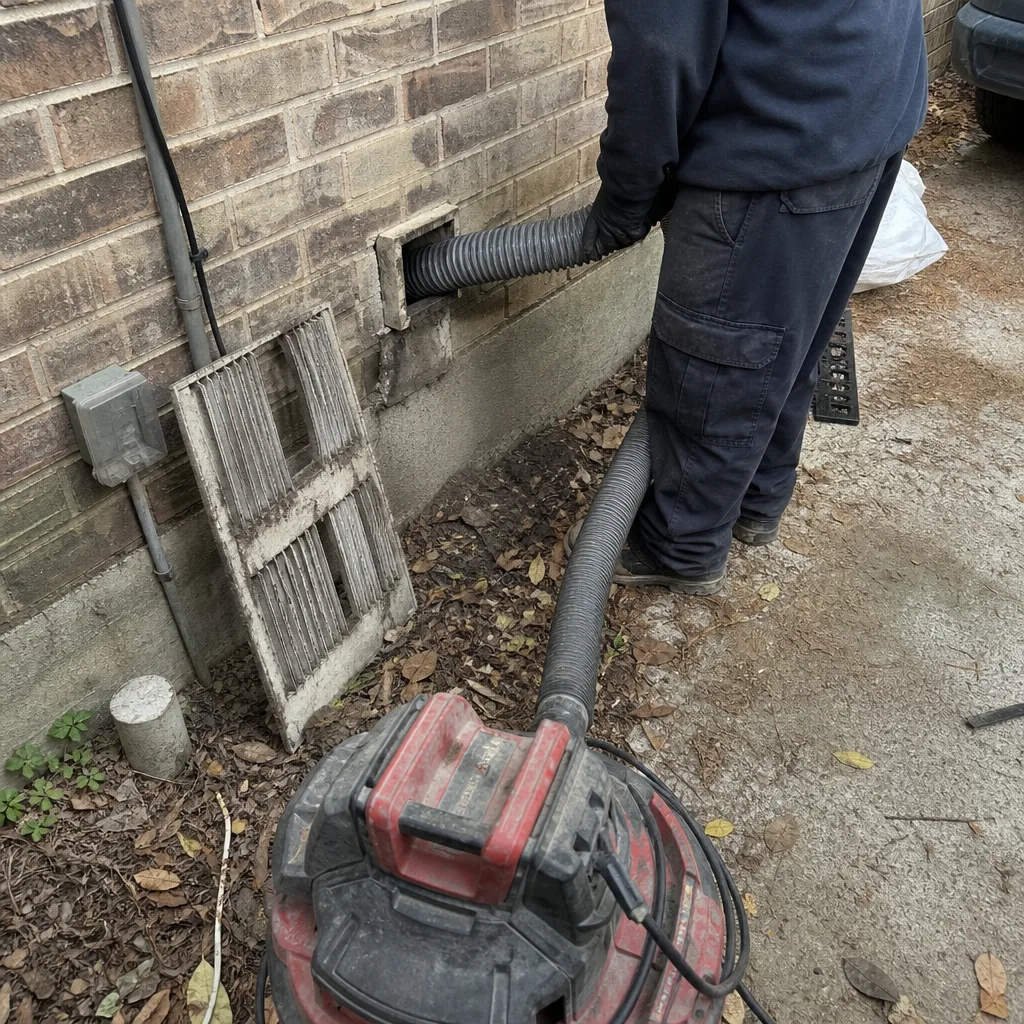
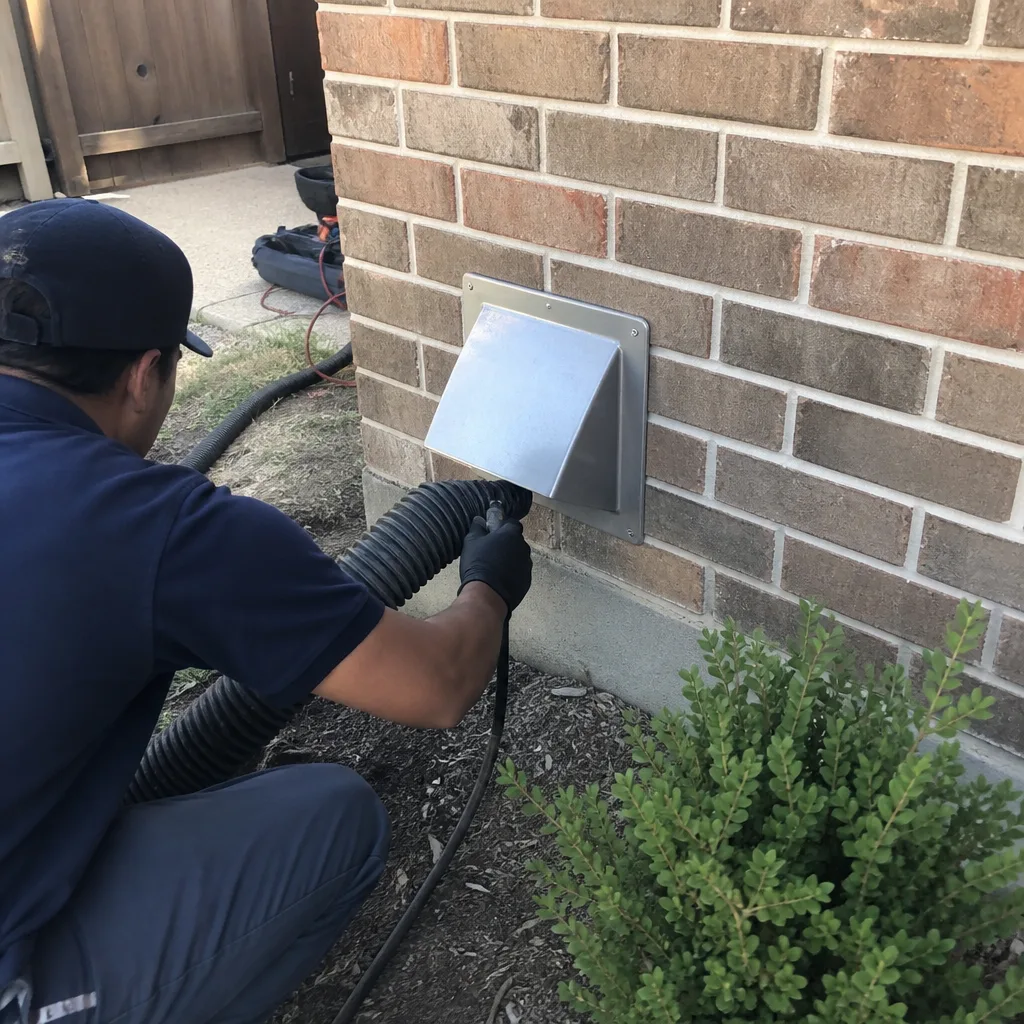
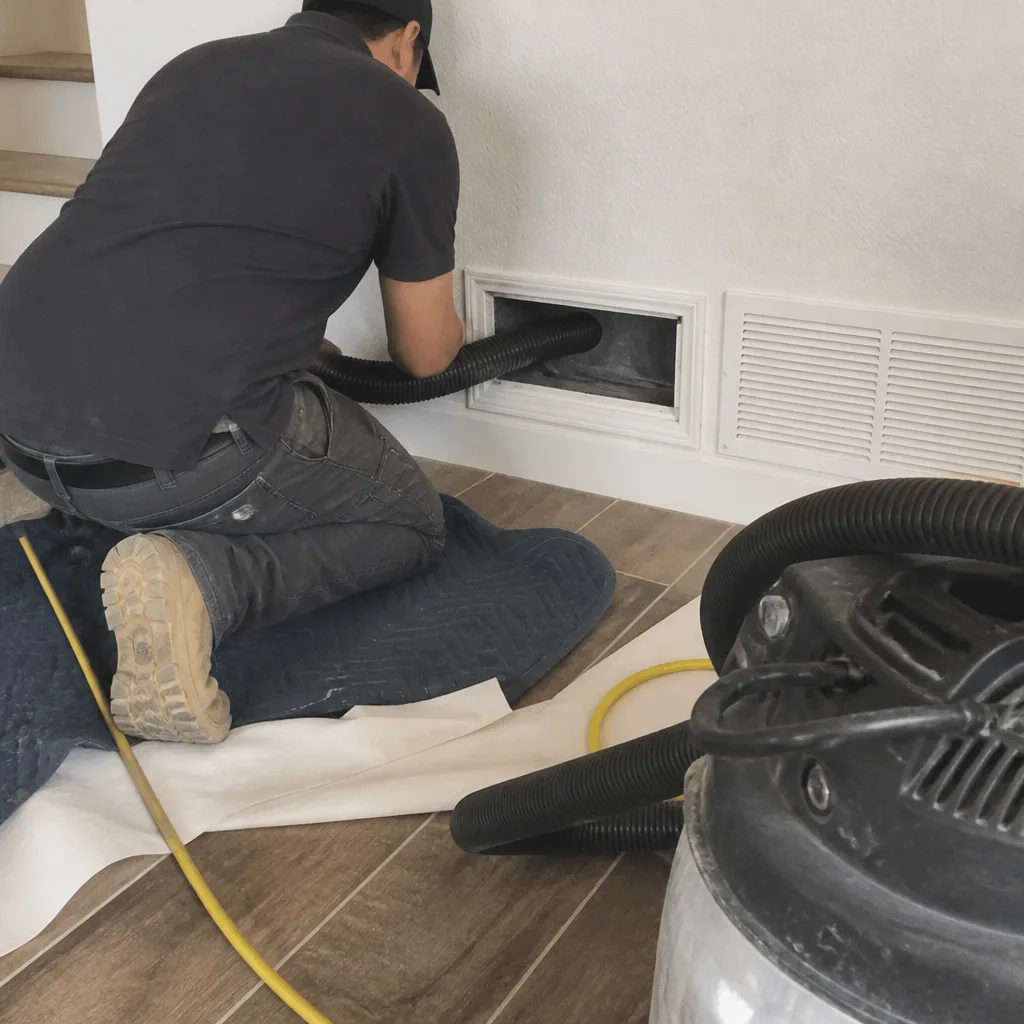
Before-and-after photos are the simplest proof. A professional company should document the return plenum, supply runs, and registers before starting and after finishing, so you can see the difference with your own eyes. Kestrel Air Duct Dallas includes this documentation as standard practice, and the 365-Day Done Right Promise means if the work falls short, we return and make it right at no charge.
Duct cleaning removes the accumulated pollen and dust in the system, which can reduce the total allergen load circulating in your home, but it won’t prevent new cedar pollen from entering. The more important step during December through February is managing your return-air filter aggressively, checking it every 30 days and upgrading to a higher-MERV option like a Guardsman filter if your system can handle it. Cleaning addresses what’s already in the ducts; filter management addresses what keeps trying to get back in.
It’s safe for the technician, but it’s not ideal for the outcome. Summer cleaning means the system is running frequently, attic heat is extreme, and the drying process is compromised. The better approach for Dallas homes is to schedule during the March – April or October – November windows, when the system sits idle for stretches and the cleaned ducts can dry thoroughly before the next high-demand season.
The Bottom Line
Dallas duct care should be timed around the city’s two hard seasons, not a generic quarterly schedule. The practical cleaning windows are March through April and October through November, when the system is idle enough to clean properly and dry completely before peak heating or cooling resumes. Summer and winter service have their place, but only for specific situations like post-renovation dust or a moisture event. Between cleanings, the highest-value action is managing your filter year-round, especially during cedar fever season, and tracking what you see in a simple annual log. When you schedule service, choose a company that gives you a written price before work starts and stands behind the result in writing. That’s the standard Kestrel Air Duct Dallas has operated under since 2004, and it’s the only way to make a duct cleaning decision you won’t second-guess.
Written by Dale Whitmore, Owner at Kestrel Air Duct Dallas, serving Dallas since 2004.
See the difference
 Before
 After
After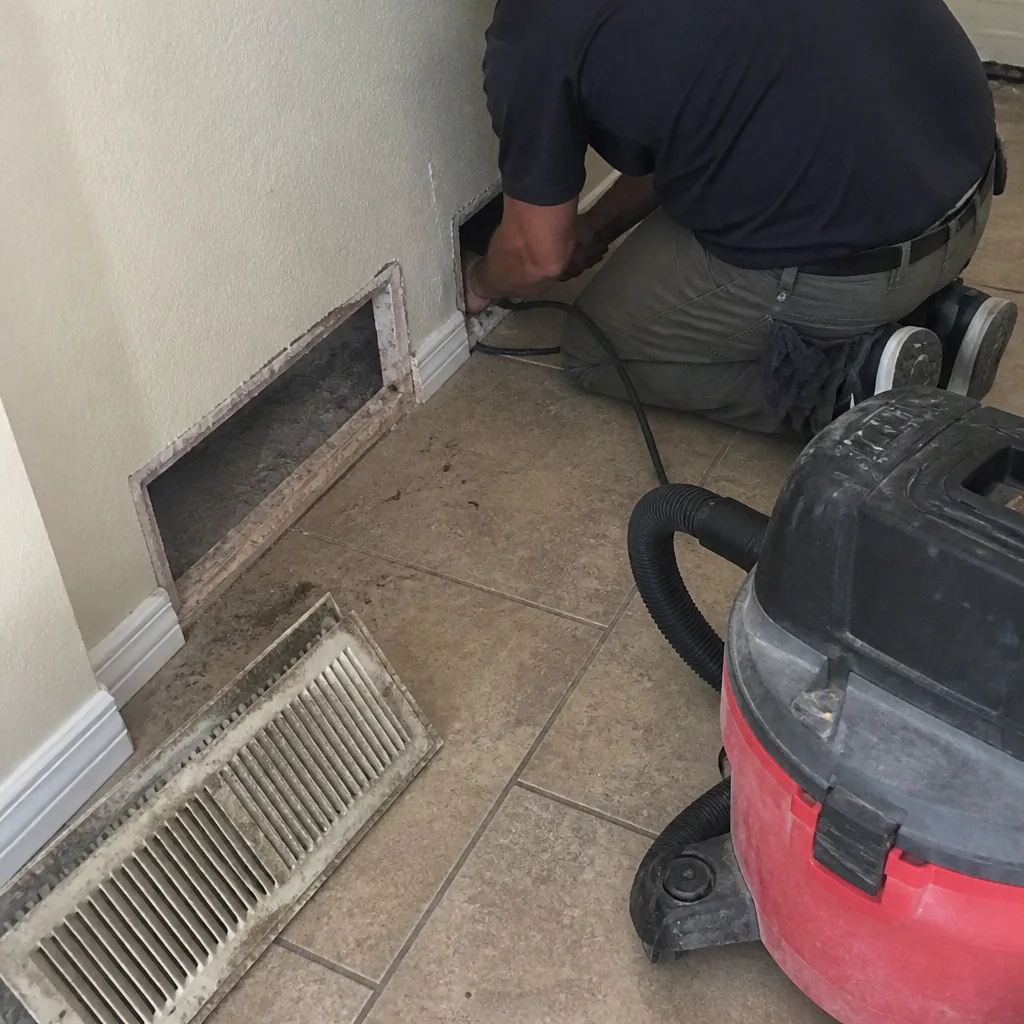 Before
 After
After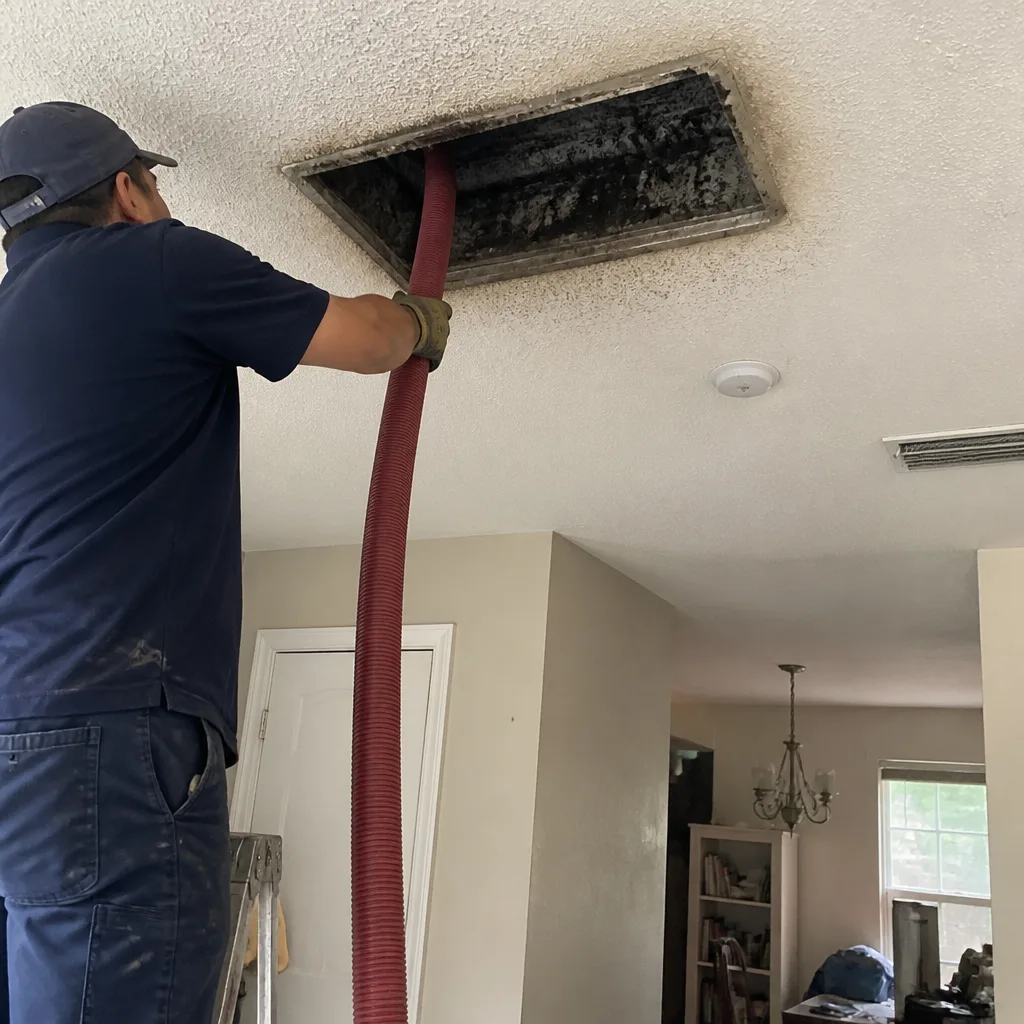 Before
 After
After